








Why the Monsoon Demands Extra Vigilance
The rainy season, while beautiful, creates the perfect storm for foodborne and waterborne illnesses. The combination of high humidity and ambient temperatures allows bacteria like E. coli and Salmonella to multiply rapidly. [10, 12, 18] Heavy rains can
lead to waterlogging and flooding, which may contaminate public water supplies with sewage. [10, 26] This means that water used to wash vegetables, prepare street food, or make ice can become a source of infections such as typhoid, cholera, and gastroenteritis. [2, 10, 25] Food that would be safe in drier seasons can spoil much faster, making it crucial for every traveller to apply a safety filter to their culinary adventures. [12]
The Water and Ice Filter: Your First Line of Defence
The most fundamental rule for staying healthy is to be vigilant about water. Never drink tap water, no matter how clean it appears. [2, 7] Always stick to sealed, branded bottled water, and make sure the seal is intact before you buy, as refilling old bottles can occur. [2, 11] For the first week of your travels, it's wise to even use bottled water for brushing your teeth. [8] A critical point to remember is that freezing does not kill most pathogens, so you should always avoid ice in your drinks unless you are absolutely certain it was made from purified water. [11, 22] This filter also extends to fresh juices and chutneys from street vendors, as they are often prepared with unboiled tap water. [4, 9, 24]
The Street Food Filter: How to Choose Wisely
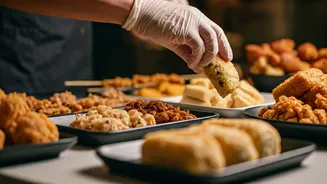
Telling a foodie to avoid all street food in India is both unrealistic and a culinary tragedy. Instead of a blanket ban, learn to be selective. The golden rule is to eat food that is cooked at high temperatures right in front of you and served steaming hot. [6, 7] Items like freshly deep-fried pakoras or bhajiyas, roasted corn on the cob (bhutta), and steamed momos are generally safer bets because the heat kills most bacteria. [14, 15] Conversely, be extremely wary of items that involve raw ingredients or have been sitting out. This includes most chaats like pani puri (where the water is a primary risk), pre-cut fruit salads, and any chutneys or sauces that aren't cooked. [12, 24] Choose vendors who are busy; a high turnover means the food is fresh. [19]
The Produce Filter: Rethinking Fruits and Vegetables
During the monsoon, leafy green vegetables like spinach and cabbage become higher risk. [5, 16] They grow close to the ground and can be contaminated by muddy, dirty water, making them difficult to clean thoroughly. [12] Similarly, pre-cut fruits sold by street vendors are best avoided, as they are exposed to the humid air and potential contamination. [5, 9] The safest approach is to eat fruits that you can peel yourself, like bananas and pomegranates, and peel them just before eating. [9] When it comes to vegetables, opt for those that are well-cooked. Raw salads, even in restaurants, carry a higher risk during this season. [17]
The Protein Filter: Navigating Meat, Fish, and Dairy
The monsoon is the breeding season for many types of fish, which means fresh catches can be limited and the risk of spoilage is high. [4, 16] It's generally advised to be cautious with seafood during this time unless you are in a coastal area and at a highly reputable restaurant. [4] For meat and chicken, the 'cooked hot and fresh' rule is paramount. Ensure any meat you eat is cooked thoroughly to a safe internal temperature. [9, 21] Dairy products like paneer and cream can also spoil quickly in the humidity. [5] Light dairy options like curd (yogurt) from a trusted source are generally fine, but avoid anything that has been sitting out, especially in buffets.