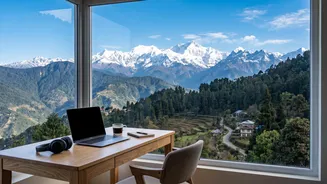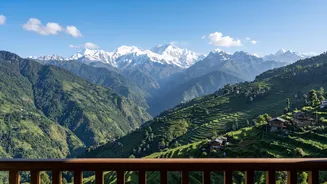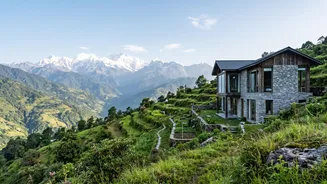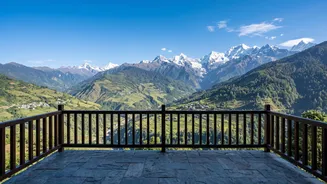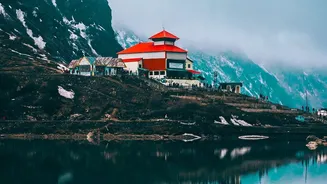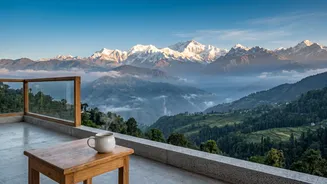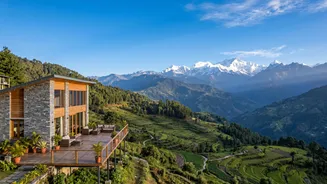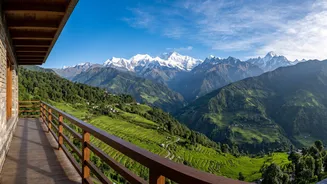





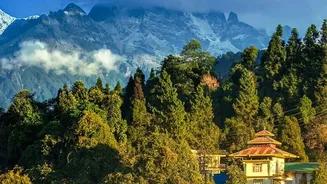

The Allure of the Mountains
The dream of working from the mountains is no longer just a fantasy. For a growing number of tech professionals, Sikkim has become the destination of choice, offering a unique blend of high-altitude clarity and cultural richness. Cities like Gangtok,
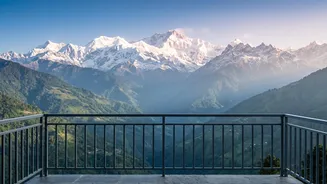
Pelling, and Ravangla are buzzing with remote workers seeking refuge from urban chaos. The appeal is simple: fresh mountain air, stunning views of the Kanchenjunga, and a peaceful environment that promises to boost creativity and focus. Initiatives like 'Nomad Sikkim' have even led to the creation of India's first official Digital Nomad Village in Yakten, designed to offer a community-centric ecosystem for professionals. This model combines rural tranquility with the infrastructure needed for modern work, turning the quietest months into a period of stable productivity for local homestay owners.
Mastering the Connectivity Challenge
The biggest anxiety for any tech professional working remotely from the mountains is internet connectivity. A dropped Zoom call during a crucial meeting is a nightmare scenario. However, Sikkim has seen a significant infrastructure upgrade, with many homestays and cafes now offering high-speed fibre optic connections. Gangtok, in particular, is noted for its stable 4G connectivity and work-friendly cafes. The key is planning. Before booking, professionals always ask hosts for a recent speed test screenshot, aiming for at least 30-50 Mbps for smooth video conferencing. It's also standard practice to carry backup options. Having SIM cards from multiple providers, like Jio and Airtel, and a portable hotspot device ensures a safety net for when the primary connection falters.
The Power Backup Plan
Mountain weather can be unpredictable, and power cuts are a reality. A productive workation can come to a halt without electricity. Seasoned remote workers in Sikkim mitigate this by choosing their accommodation wisely. They specifically look for homestays or hotels that offer dedicated power backup, such as an inverter or a generator. A small, dedicated UPS for the Wi-Fi router is also considered an essential part of the tech toolkit, ensuring that internet access remains uninterrupted even during brief power outages. This foresight prevents hours of lost work and keeps deadlines on track, no matter the weather outside.
Designing a Disciplined Day
When your office has a Himalayan view, the temptation to abandon work and go exploring is immense. To counter this, successful workationers rely on a structured daily routine. They set clear work hours and stick to them, often blocking out specific time slots for deep work, meetings, and breaks. A common strategy is to start the day early, finish work by the afternoon, and leave the rest of the day for trekking, visiting monasteries, or simply enjoying a cup of tea with a view. Creating a dedicated workspace, even if it's just a specific corner of a room with a comfortable desk, helps create a mental separation between work and leisure.
Choosing Your Base: Homestay vs. Hotel
Where you stay can define your workation experience. While hotels offer standardised amenities, many tech professionals opt for community-run homestays, especially in places like the Yakten Digital Nomad Village. These homestays offer an authentic cultural experience, home-cooked meals, and a chance to connect with local families. From a work perspective, hosts are often attuned to the needs of digital nomads, ensuring reliable Wi-Fi and a quiet environment. This choice supports the local economy directly and provides a more immersive, community-driven experience that many find more rewarding than an anonymous hotel room.
Embracing Slow Productivity
A workation in Sikkim isn't about replicating the frantic pace of city life in a new location. It’s about finding a healthier, more sustainable rhythm. Professionals learn to embrace 'slow productivity', focusing on an outcome-driven approach rather than just hours logged. The tranquil environment is used to their advantage, allowing for deep, focused work sessions that are often more effective than a full day in a distracting office. It's a mindset shift from being 'always on' to being 'strategically on', prioritising well-being and recognising that rest and immersion in nature are crucial components of sustained productivity.