



The Goldilocks Season for Stargazers
For anyone who has tried to stargaze in July only to be driven inside by humidity and bugs, or shivered through a January night, autumn is a welcome relief. The season provides a perfect balance of temperatures that make spending hours outdoors genuinely
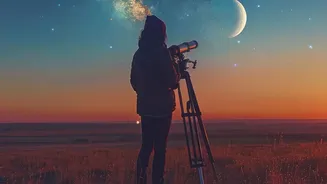
pleasant. Mild evenings mean you can focus on the cosmos without distraction, allowing for longer, more patient observation sessions. This comfort is key, as successful stargazing often requires time for your eyes to fully adapt to the dark, a process that can take 15 to 20 minutes. Instead of cutting your night short due to the cold, you can settle in with a warm drink and a blanket and truly immerse yourself in the experience.
Clearer Skies and Earlier Nights
The benefits of autumn go beyond just personal comfort. The crisp, cool air of the season is scientifically better for viewing the stars. Cooler air holds less moisture than the humid air of summer, which means less atmospheric haze and distortion. This lower humidity results in a clearer, more transparent sky, making stars appear sharper and brighter. Furthermore, as we move past the autumnal equinox, the sun sets progressively earlier. This is a practical advantage for everyone, especially families, as true darkness arrives at a more convenient hour, eliminating the need to stay up past midnight to get a great view.
A Galactic Window Opens Up
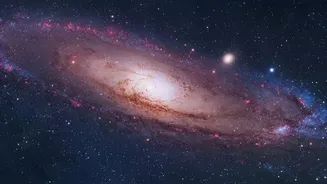
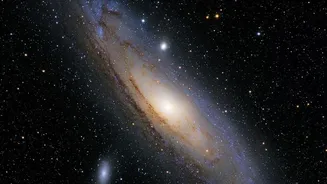
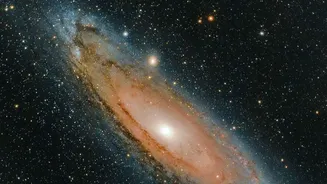
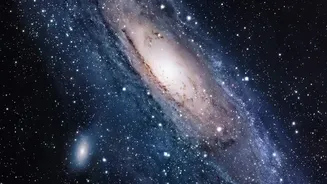
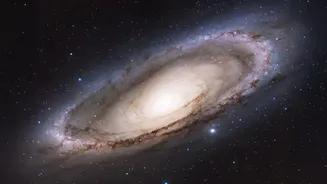
Autumn is widely considered galaxy season for observers in the Northern Hemisphere. During this time, our view of the night sky looks away from the dense, dusty plane of our own Milky Way, which dominates the summer and winter skies. This provides a clearer, less obstructed window into the deep universe beyond. The star of the show is undoubtedly the Andromeda Galaxy (M31). As the closest major spiral galaxy to our own, it is the most distant object you can see with the naked eye. On a dark, moonless autumn night, it appears as a faint, elongated smudge of light. Finding it is a rite of passage for stargazers, and autumn offers the best opportunity as it climbs high in the sky.
Your Autumn Stargazing Hit List
While Andromeda is the main attraction, the autumn sky is filled with other treasures. Look for the "W" shape of the constellation Cassiopeia, which is very high and easy to spot. It can be used as a signpost to locate Andromeda. Nearby, you'll find the Great Square of Pegasus, another key asterism of the fall sky. For those with binoculars or a small telescope, the Triangulum Galaxy (M33) offers a more challenging but rewarding target. It's the third-largest galaxy in our Local Group. The beautiful Pleiades star cluster, also known as the Seven Sisters, begins to rise in the east, signaling the coming of winter constellations. It's a stunning sight even without optical aid.
Gearing Up for a Successful Night
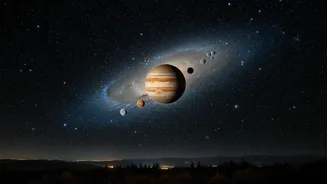
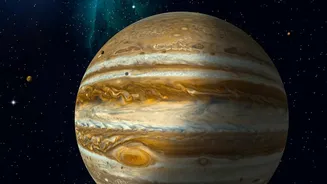
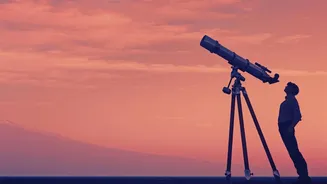
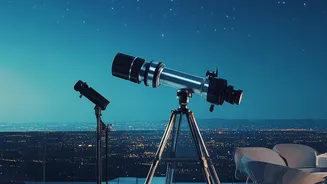
To make the most of an autumn stargazing session, a little preparation goes a long way. Dress in warm layers, as temperatures can drop quickly after sunset. Find a location away from city lights to minimize light pollution; even a short drive to a rural park can make a massive difference. When you arrive, avoid bright white lights to protect your night vision. A headlamp with a red-light setting is an essential tool for reading star charts or adjusting equipment. Finally, be patient. Let your eyes fully adjust to the darkness and give yourself time to simply look up. You don't need an expensive telescope; a good pair of binoculars can reveal incredible detail, from the moons of Jupiter to the heart of the Andromeda Galaxy.