




From Annual Ritual to Weekend Habit
The idea of a music festival used to be tied to massive, once-a-year events like NH7 Weekender, which started in Pune in 2010 and expanded to other cities. These were destinations. But the landscape has changed dramatically. The live events market in India
is booming, with one report pegging its value at nearly ₹13,000 crore and projecting significant growth. This isn't just about a few big festivals anymore. The number of live events has surged, rising by 11% in 2025 alone. This growth is fueled by a new ecosystem of smaller, more frequent gigs in clubs, college festivals, and even pop-ups. This shift has turned concert-going from an occasional pilgrimage into a regular weekend activity, making live music more accessible than ever.
The Social Media FOMO Machine
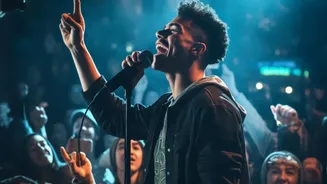
Social media, particularly Instagram, has become the engine of this new concert culture. A recent study found that 76% of Gen Z discover concerts through social platforms. It’s a powerful cycle: friends post stunning visuals from a gig, creating a sense of FOMO (Fear Of Missing Out), which in turn drives ticket sales for the next event. The concert itself has become a content creation opportunity, a place to be seen and to craft an identity. Platforms now function as a visual and interactive guide, shaping expectations and building excitement long before the first note is played. This digital buzz transforms a live performance into a larger cultural moment that you participate in both online and offline.
A New Generation of Artists and Fans
This boom wouldn't be possible without a new wave of independent artists who are finding audiences outside the traditional Bollywood machine. Streaming platforms have democratized music discovery, allowing artists to build a following directly. In 2025, music released outside of film soundtracks made up half of Spotify India's year-end top 10. This vibrant indie scene provides a steady supply of performers for the growing number of venues. At the same time, young audiences are more willing than ever to spend on experiences. For Gen Z, attending a concert has become a deliberate lifestyle choice, something to budget and plan for. Many now see experiences as more valuable than material possessions, a trend accelerated by the post-pandemic desire for in-person connection.
The Rise of 'Gig Tripping'
Concert culture is also reshaping youth travel. The phenomenon of 'gig tripping'—traveling to another city for a concert—is now a mainstream trend. According to one report, 62% of India's Gen Z plan to travel for concerts in 2026, with many visiting a city for the first time because of a music festival. Fans will book flights and accommodation as soon as a major artist is announced, planning their trips around the event. This has a significant economic impact; one study on a Coldplay concert noted that for every ₹100 spent on a ticket, an additional ₹585 was spent on travel, hospitality, and shopping. Festivals like Lollapalooza India regularly draw tens of thousands of fans from outside the host city, proving that a strong lineup is a powerful tourism driver.
Beyond the Metros
While major cities like Mumbai, Delhi, and Bengaluru remain epicenters of the live music scene, the culture is rapidly expanding into Tier-2 and Tier-3 cities. Promoters and platforms are noticing significant growth in attendance in cities like Visakhapatnam, Vadodara, and Guwahati. This decentralization is crucial, as it builds a more robust national touring circuit and makes live music accessible to a wider audience. The growth of regional language music on streaming platforms, with languages like Telugu and Marathi seeing huge increases in royalties, also points to diverse and engaged audiences across the country who are eager for live performances. This expansion signals a maturing of the market, where concert culture is becoming a truly pan-Indian phenomenon.