







A Shocking New Benchmark
The internet's engine rooms are polluting on a national scale. According to a study published in 'Nature Sustainability', 403 of the largest 'hyperscale' data centres in the United States produced an estimated 25.7 million metric tonnes of carbon dioxide
between May 2024 and April 2025. To put that figure in perspective, it's roughly the same as the annual CO2 emissions of Denmark, a nation of nearly six million people. This new estimate is a stark increase—two to three times higher than previous peer-reviewed calculations from 2018, underscoring the explosive growth in energy demand even before the latest wave of AI technologies became widespread. The researchers at Harvard stress that their findings likely represent a conservative estimate, as thousands more data centers are already planned.
The AI and Cloud Overload
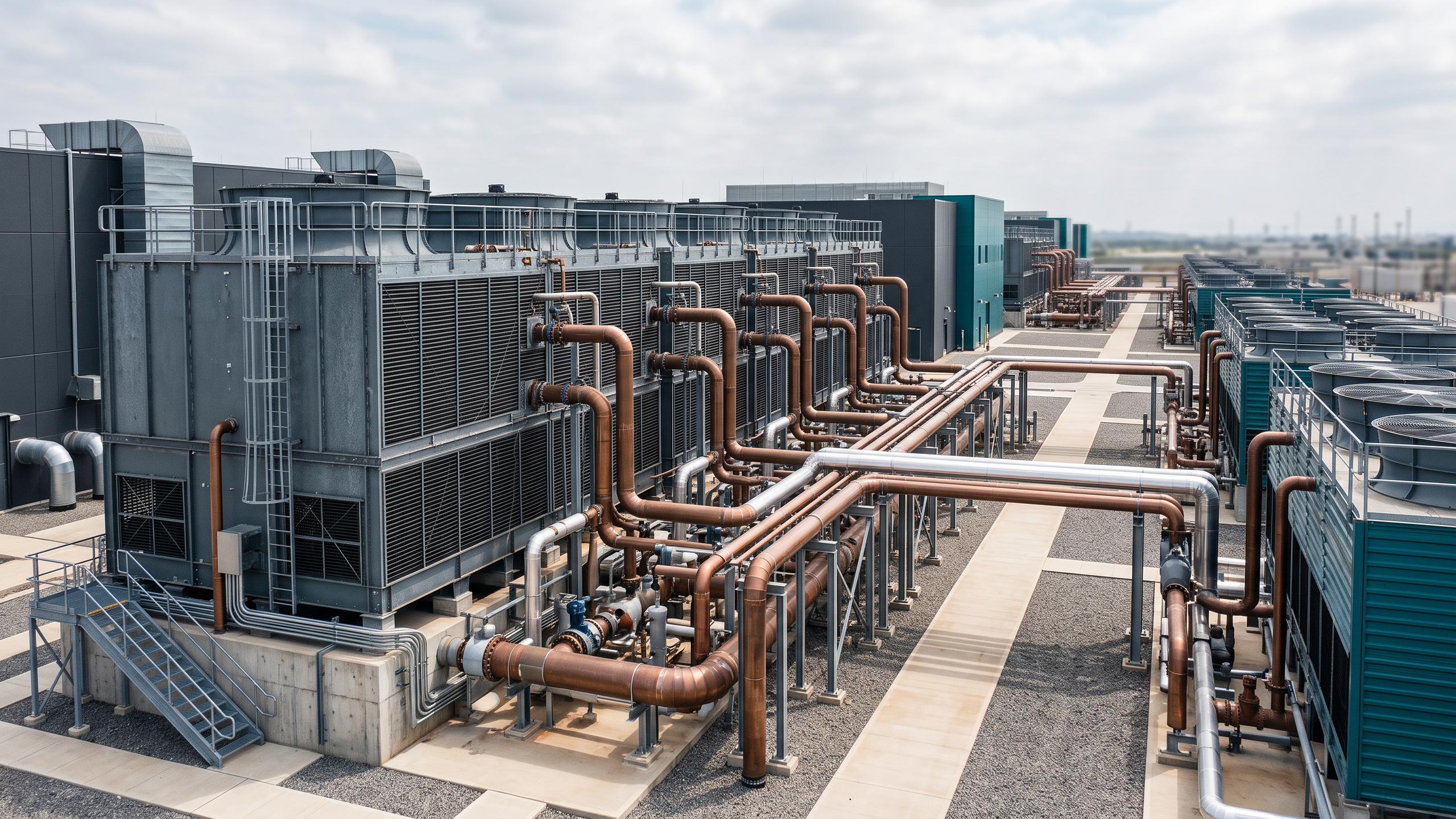
So, what's driving this incredible energy thirst? The answer lies in the shift from simple data storage to the processor-intensive demands of cloud computing and artificial intelligence. Every time you use a generative AI tool to write an email, create an image, or ask a complex question, you trigger a chain reaction of computation in these massive server farms. A single AI query can consume up to ten times more electricity than a standard Google search. These facilities, the physical backbone of 'the cloud', require immense power not just for the servers themselves but also for the colossal cooling systems needed to prevent them from overheating. The International Energy Agency has identified AI as the main driver of future data centre energy growth, projecting that global data centre electricity use could more than double by 2030.
Fossil Fuels Powering the Future?
A crucial finding from the Harvard analysis is where this electricity comes from. The study revealed that more than half—approximately 54%—of the power consumed by these massive data centres was generated by fossil fuels. Natural gas accounted for the largest share, with coal also playing a significant role. This reliance on carbon-emitting sources is a major hurdle for tech giants that have made ambitious climate pledges. While companies like Google, Amazon, and Microsoft are among the world's biggest corporate buyers of renewable energy, the explosive growth in their energy consumption is, in many cases, outstripping their green investments. The result is a step backward in the fight to control CO2 emissions, as one of the study's lead authors noted. The geography of a data centre matters immensely; a facility in a state like Oregon, with significant hydropower, has a much smaller carbon footprint than one in a coal-reliant state like Wyoming.
A Growing Backlash and a Push for Transparency
The environmental toll is no longer a secret. Communities across the U.S. are increasingly pushing back against the construction of new data centres, citing not only the strain on local power grids and water resources but also noise pollution and the loss of green spaces. In the November 2026 midterm elections, voters in dozens of local initiatives voted to limit or block data centre development. This growing public awareness is mirrored by international efforts. At the recent UN COP31 climate talks, a new voluntary pledge was launched, urging companies and countries to power data centres with clean energy and be more transparent about their consumption and emissions. Researchers have called out the difficulty in tracking this industry, as tech companies rarely publish facility-level energy data, forcing scientists to engage in 'detective work' to piece together the full picture.