
Fashion: Weaving Tradition with Modern Comfort
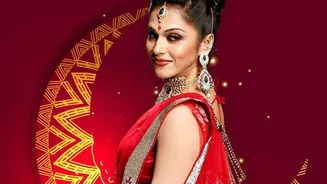
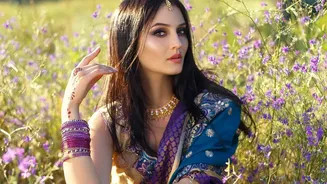
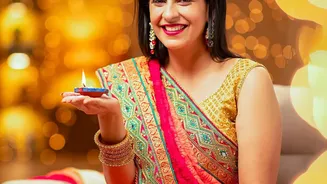
Navratri fashion for 2026 is a vibrant blend of heritage craftsmanship and contemporary ease. While the classic chaniya choli remains a favourite for Garba nights, its modern interpretation is lighter and more comfortable, designed for hours of effortless
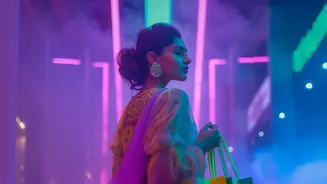
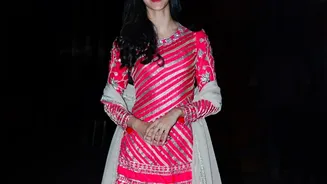
twirling. Designers are focusing on fabrics like georgette, chiffon, and cotton silk blends that offer beautiful flare without the weight. The trend is leaning towards Indo-Western silhouettes, which offer versatility and comfort. Think peplum tops paired with palazzos, crop tops with wide-leg trousers, and layered outfits with short, embroidered jackets (Koti) that can be removed as the dancing intensifies. These fusion looks incorporate traditional details like mirror work, bandhani, and Gota Patti embroidery on modern cuts. For those who prefer a more relaxed yet festive look, Chikankari kurta sets, lightweight Anarkalis, and ethnic co-ord sets are popular choices, especially for daytime pujas and family gatherings. The colour palette extends beyond the traditional nine colours to include rich jewel tones like emerald, sapphire, and deep wine for evening events. The emphasis is on creating a versatile festive wardrobe, where pieces can be mixed, matched, and styled differently with accessories like oxidised jewellery and colourful dupattas for all nine nights.
Food: A Feast for the Fasting and the Feasting
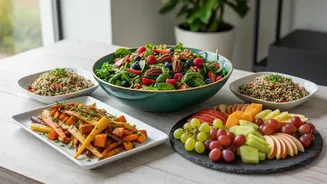
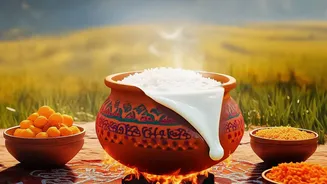
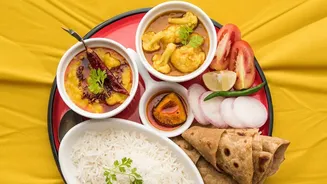
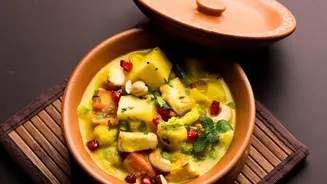
The culinary landscape of Navratri is undergoing a delicious transformation. While traditional vrat (fasting) staples like sabudana khichdi and kuttu ki poori remain central, there's a growing appetite for innovation. Kitchens are now experimenting with modern twists on fasting-friendly ingredients. You might find kuttu (buckwheat flour) being used to make tacos, or samak rice (barnyard millet) being prepared as a creamy risotto. Creative chefs are also crafting dishes like quinoa upma, paneer and sweet potato tikkis, and even sabudana sushi rolls to bring variety to the nine-day menu. Beyond home kitchens, restaurants are curating elaborate Navratri thalis that go far beyond the basics. These menus often feature a balanced spread of interesting vrat-friendly dishes, such as rajgira parathas, makhana curries, and pumpkin kulfi. This trend caters not only to those who are fasting but also to food enthusiasts eager to explore the unique flavours of Sattvic cuisine. The focus is on making fasting food enjoyable, nutritious, and interesting, proving that dietary restrictions can inspire immense creativity.
Décor: Crafting a Festive and Sustainable Sanctuary
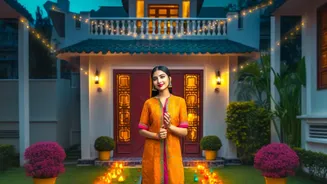
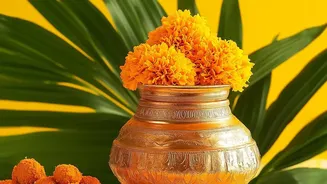
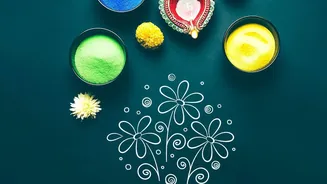
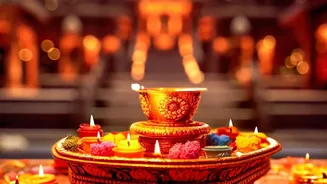
Navratri home décor in 2026 is centered on creating a warm, inviting, and increasingly sustainable festive atmosphere. The colour palette is dominated by bold, warm tones like sunset orange, deep red, and saffron yellow, often accented with gold. These colours are brought to life through floral arrangements, especially with marigold flowers, which are used to make torans (door hangings) and rangolis. There is a significant shift towards eco-friendly decorations. Instead of single-use plastics, people are opting for reusable items like fabric buntings made from old sarees, cloth torans, and handmade lamps. Natural and biodegradable materials are in focus, with an emphasis on clay diyas, decorations made from leaves and spices, and even idols crafted from clay that dissolves harmlessly in water. For smaller urban homes, the trend is to create focused decorative corners rather than decorating the entire space. A beautifully decorated entrance with a rangoli and a well-styled puja mandir with drapes and brass lamps can create a powerful festive impact. Lighting plays a key role, with a preference for the warm glow of traditional diyas, salt lamps, and energy-saving LED fairy lights to complete the serene and celebratory ambience.