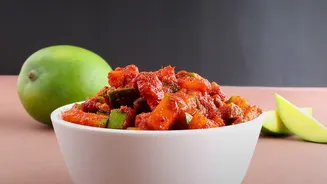

The sharp, tangy aroma of a freshly opened jar of achar can transport you back to childhood summers. Now, a new wave of small-batch, regional pickles is bringing that authentic flavour and nostalgia to city dining tables across India.
A Craving for Authenticity
For generations,
pickles were a household affair, with recipes passed down like treasured heirlooms. Grandmothers would spend summers sun-drying mangoes or curing lemons on terraces, a ritual that was as much about preservation as it was about love. While mass-produced pickles have long dominated supermarket shelves, a distinct shift is underway. Urban consumers are increasingly seeking out foods that feel real, transparent, and connected to a story. This trend is driven by a growing desire for 'clean labels'—products free from artificial preservatives and additives—and a deeper appreciation for India's vast culinary heritage. The Indian pickle market is a significant and growing industry, valued in the hundreds of millions of dollars and projected to expand steadily. Within this large market, artisanal and small-batch products are carving out a special niche, appealing to customers who want more than just a condiment; they want a connection.
From Kitchens to Keyboards
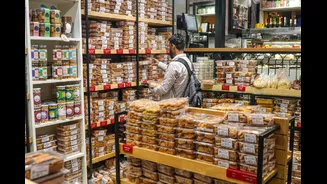
The rise of these small-batch pickle brands is a story of modern entrepreneurship. Many were born during the 2020 lockdowns, when home cooks began sharing their family recipes with friends and neighbours, only to find a surprisingly large and eager market. Social media and direct-to-consumer (D2C) online stores have empowered these entrepreneurs, many of whom are women, to turn their kitchens into businesses. They can now reach customers in metros and Tier-2 cities directly, bypassing traditional retail gatekeepers. Labels like JhaJi Store from Bihar, which specialises in traditional recipes from Mithilanchal, or Rasa & Co from Karnataka, which started by supplying pantry staples to friends, showcase this trend perfectly. They offer not just a product, but a narrative—a taste of a specific region, a family's history, and a commitment to traditional methods.
A Spoonful of Home
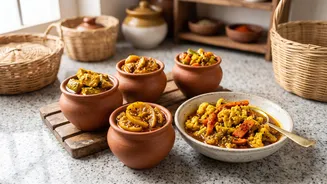
For many living in bustling cities, far from their hometowns, these pickles offer a powerful dose of nostalgia. The flavour of a specific achar can evoke vivid memories of home, family meals, and childhood. It's a culinary bridge connecting them to their roots. This new wave of brands is reintroducing urban diners to the incredible diversity of Indian pickling traditions, which go far beyond the standard mango and lime. Consumers can now explore the pungent, mustard-forward Kasundi from Bengal, the fiery Andhra Avakaya, the sweet and sour Chhundo of Gujarat, or the unique pork and bamboo shoot pickles from the Northeast. There are pickles made from fresh turmeric, mango ginger, citron, and wild lemons, each reflecting the unique produce and palate of its home region. These aren't just sides; they are edible stories of India's geography and culture.
More Than Just a Condiment
This revival of regional pickles is more than just a food trend; it's an act of cultural preservation. In a world of culinary homogenisation, these small-batch producers are safeguarding heirloom recipes and techniques that might otherwise be forgotten. They are reminding us that Indian food is not a monolith but a rich tapestry of regional cuisines. By championing local ingredients and traditional, slower methods of preparation, they offer a delicious counterpoint to the fast paceded industrialised food system. As chefs begin to incorporate these complex flavours into modern menus and home cooks seek out more authentic tastes, the humble achar is being elevated from a simple side dish to a gourmet ingredient. It’s a testament to the enduring power of a condiment that can capture the essence of a season, a region, and a memory, all in a single jar.