





1. Pack Smart, Not Heavy
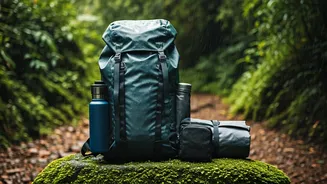
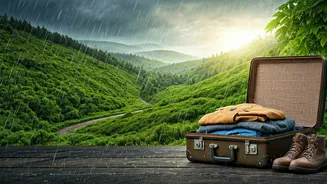
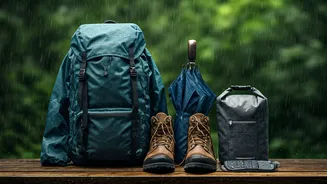
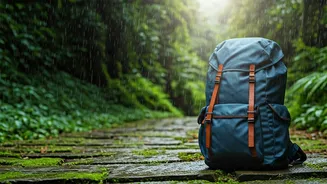
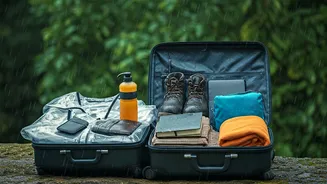
The golden rule of monsoon packing isn't to pack more, but to pack smarter. Ditch the heavy jeans and cottons that take ages to dry. Instead, opt for lightweight, quick-dry fabrics like polyester or nylon blends. A water-resistant windcheater is more practical
than a bulky raincoat. For footwear, forget leather and avoid slippery flip-flops. Choose rubber sandals or floaters with good grip. The most crucial item? A few dry bags. Use them to compartmentalise electronics, a set of dry clothes, and important documents. A small, foldable umbrella is a given, but these fabric and footwear choices will make a far bigger difference when you’re caught in a downpour.
2. Choose Your Destination Wisely
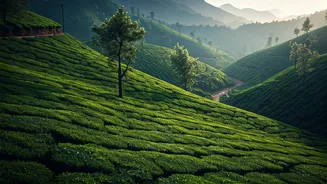
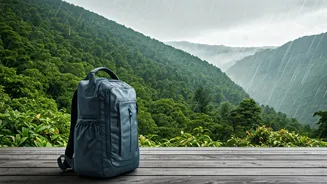
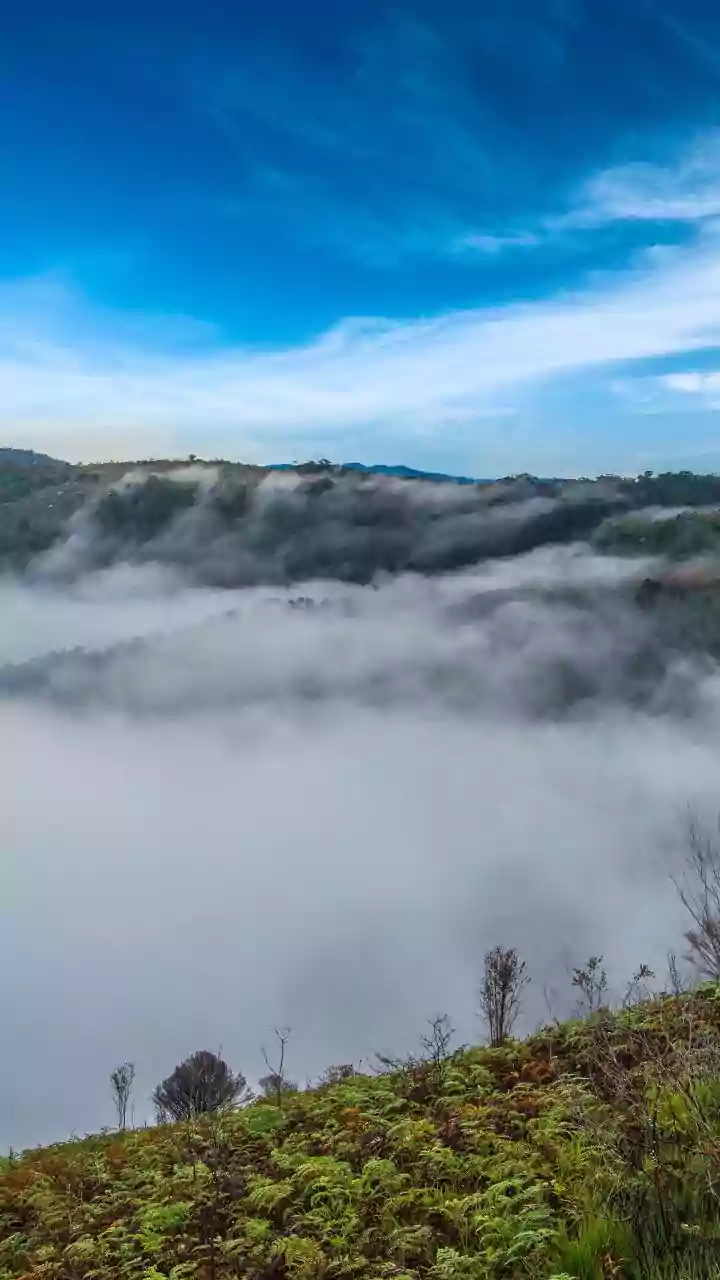
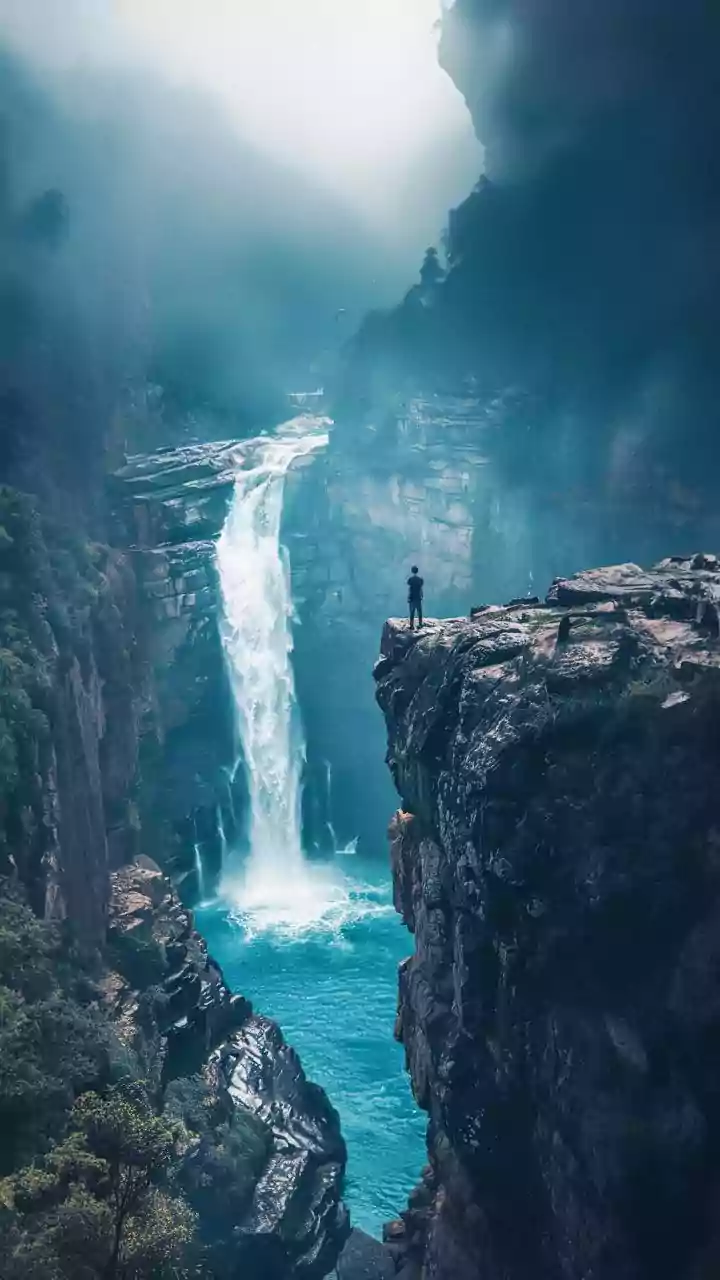
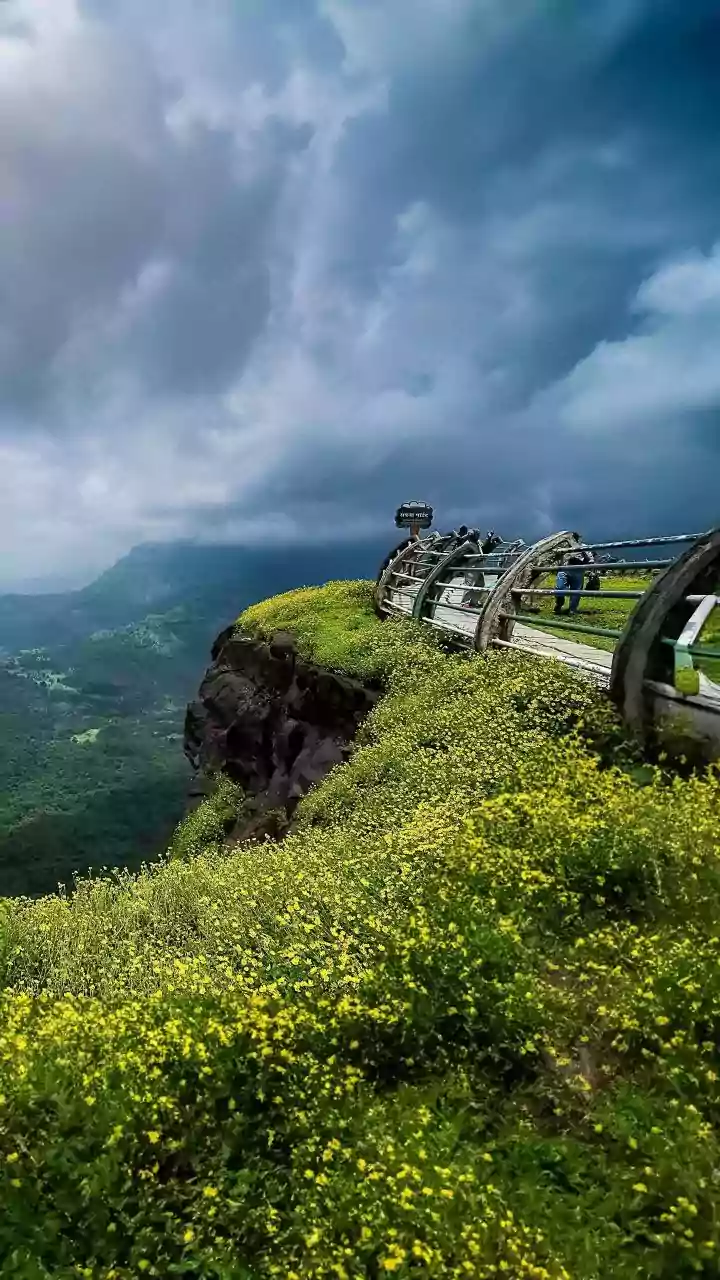
Not all destinations are created equal during the monsoon. While the high Himalayas in states like Himachal Pradesh and Uttarakhand can be risky due to landslides, other parts of India transform into paradise. The Western Ghats, from Maharashtra down to Kerala, explode with waterfalls and emerald landscapes. Think Lonavala, Munnar, or Coorg. It’s also a fantastic time to visit the drier parts of Rajasthan; the cities of Udaipur and Bundi are stunning when their lakes are full and the crowds are thin. Even a place like Orchha in Madhya Pradesh, with its cenotaphs rising over the Betwa River, feels more atmospheric under cloudy skies. Do your research and pick a spot that thrives in the rain, rather than one that shuts down.
3. Embrace the Buffer Day
Monsoon travel requires a shift in mindset. Flights can be delayed, trains can run late, and that scenic drive might take a little longer than Google Maps suggests. Instead of letting this cause stress, plan for it. Build a ‘buffer day’ into your itinerary. If your trip is a week long, don’t schedule something critical on the first or last day. This extra time absorbs any travel disruptions without ruining your plans. Use these unexpected pockets of time to your advantage: find a local café, read a book, or simply watch the rain with a cup of chai. The monsoon forces a slower pace of life; your travel plans should reflect that.
4. Prioritise Health and Hygiene
The monsoon brings beauty, but also humidity and water-borne germs. Staying healthy is simple if you take a few precautions. Always drink bottled or boiled water, and be extra cautious about street food, especially items that are uncooked or washed in water (like chutneys). Stick to hot, freshly prepared meals. Mosquitoes are more prevalent, so a good repellent is non-negotiable, particularly in the evenings. Also, pack a basic medical kit with antiseptics for any small cuts (which can get infected easily in the damp), band-aids, and medication for stomach upsets. These small habits will keep you on the road and out of the hotel room.
5. Use Technology to Your Advantage
Your smartphone is your best friend during a monsoon trip. Before you leave, download offline maps of the areas you’ll be visiting. Network connectivity can be patchy in remote areas, especially during heavy rain. Reliable weather apps (like AccuWeather or The Weather Channel) can give you a decent short-term forecast to help plan your daily sightseeing. Most importantly, carry a fully charged power bank. You’ll rely on your phone for navigation, communication, and entertainment during those aforementioned delays, and you don’t want to be caught with a dead battery in the middle of nowhere.
6. Find the Joy in the Rain
Finally, the most important tip is to change your perspective. Don’t see the rain as an obstacle to your holiday; see it as the main event. The monsoon is a sensory experience. It’s about the sound of rain on a tin roof, the joy of finding a roadside stall selling hot bhutta (roasted corn) or pakoras, and seeing landscapes washed clean and vibrant. Many tourist spots are less crowded, and hotels often offer off-season discounts. So lean into it. Get a little wet. Take that drive through the clouds. The most memorable travel stories often come from embracing the unexpected, and there’s nothing more beautifully unexpected than the Indian monsoon.