

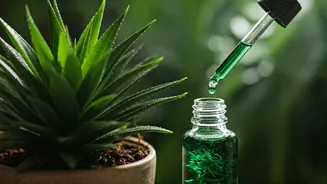



What Is Neem Oil and Why Is It a Gardener's Friend?
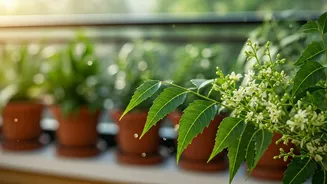
Neem oil is a naturally occurring pesticide extracted from the seeds of the neem tree (Azadirachta indica), which is native to the Indian subcontinent. For centuries, it has been a cornerstone of traditional agriculture and medicine. Its power lies in a compound
called azadirachtin, along with other limonoids. Unlike synthetic chemical pesticides that kill pests on contact, azadirachtin works in a more nuanced way. It acts as an antifeedant, discouraging insects from eating your precious leaves. It's also an insect growth regulator, disrupting the life cycle of pests and preventing them from maturing and reproducing. This makes it a powerful, yet gentle, tool for managing common garden nuisances without resorting to harsh chemicals.
The Humidity Problem: A Haven for Pests and Fungi
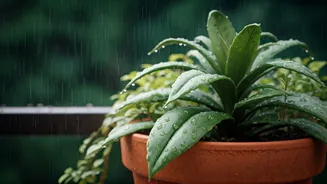
When the air is thick with moisture, your plants' leaves can remain damp for extended periods. This environment is an open invitation for fungal diseases like powdery mildew, black spot, and rust. These diseases manifest as unsightly spots or coatings on leaves, weakening the plant by hindering photosynthesis. Humid conditions are also ideal for pests like spider mites, aphids, and whiteflies to multiply rapidly. Neem oil is particularly effective in this context because it's both a fungicide and a pesticide. It can help prevent fungal spores from germinating and disrupt the life cycles of the very pests that thrive in damp, warm weather, giving your plants a fighting chance during the most challenging seasons.
Choose the Right Kind: Not All Neem Oil Is Equal
When you shop for neem oil, you’ll likely see two main types: cold-pressed neem oil and clarified hydrophobic extract of neem oil. For the most effective pest and fungus control, always choose 100% pure, cold-pressed organic neem oil. This version is less processed and retains the highest concentration of azadirachtin and other beneficial compounds. It will be thick, have a strong, garlicky-sulfur smell, and will solidify in cooler temperatures. Clarified extracts have most of the azadirachtin removed and are primarily used for their fungicidal properties, but they lack the broad-spectrum insect-regulating benefits of the pure, unrefined oil.
Your Step-by-Step Mixing Guide
Neem oil does not mix with water on its own, so you need an emulsifier to create a stable spray. A mild liquid soap (like a simple dish soap, not a detergent) works perfectly. Here is a standard recipe for a gentle, effective foliage spray: 1. **Start with 1 litre of warm water.** Warm water helps the oil and soap mix more easily. 2. **Add 1 teaspoon (5 ml) of 100% cold-pressed neem oil.** 3. **Add ½ teaspoon (2.5 ml) of mild liquid soap.** The soap acts as a wetting agent, helping the mixture stick to the leaves. 4. **Mix thoroughly.** Shake the spray bottle vigorously before and during application, as the oil will try to separate from the water over time. For a more severe infestation, you can increase the concentration to 2 teaspoons of neem oil per litre, but always start with the weaker solution to see how your plants react.
How to Apply for Maximum Effect
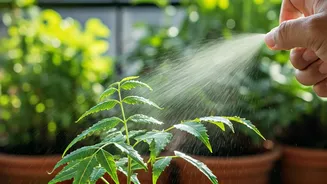
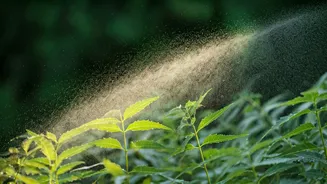
Application is just as important as the mixture. First, always do a patch test. Spray a small, inconspicuous leaf and wait 24 hours to ensure your plant doesn't have an adverse reaction. The best time to spray is early in the morning or late in the evening. Applying neem oil in direct, hot sun can cause the leaves to burn or scorch. When you spray, be thorough. Coat all surfaces of the plant, paying special attention to the undersides of leaves where pests love to hide and lay their eggs. Apply the spray to the point of runoff, meaning the leaves are completely wet. For preventative care, apply once every 1-2 weeks. To treat an active pest problem, apply every 5-7 days until the issue is resolved.
Important Precautions to Keep Your Plants Safe
While organic, neem oil is potent. Over-application can clog the stomata (the breathing pores) on leaves, so stick to the recommended frequency. Although it is generally safe for beneficial insects like bees and ladybugs (as they don't eat the leaves), it's best to avoid spraying when these pollinators are active. Spraying in the evening is a good way to minimize contact. Some plants, especially those with fuzzy leaves or delicate new growth, can be more sensitive, which is why the patch test is non-negotiable. Finally, mix a fresh batch for each use; the compounds in neem oil begin to break down once mixed with water.