




The Dangers of Damp Footwear
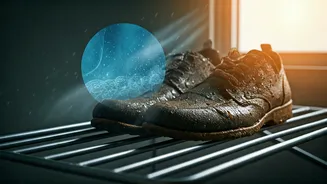
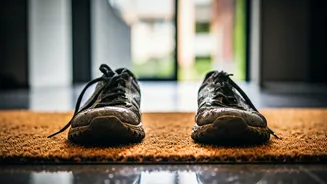
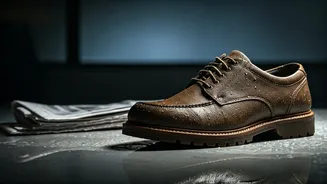
Leaving your shoes wet is an open invitation for problems. The dark, warm, and moist environment inside a damp shoe is a perfect breeding ground for fungi and bacteria. This can lead to unpleasant odours, and more seriously, skin infections like Athlete's
Foot, which causes itching, cracking, and burning. Constant moisture can also lead to fungal nail infections, which are difficult to treat. Beyond health concerns, persistent dampness degrades shoe materials. Leather can crack and lose its shape, while the glue holding your shoes together can weaken, drastically shortening their lifespan.
The Immediate Rescue Plan
The moment you step indoors, your shoe care mission begins. First, take off the wet shoes and socks. If possible, wash your feet with mild soap and water, and dry them thoroughly, paying special attention to the areas between your toes where moisture can hide. Next, attend to your shoes. Remove the insoles and laces, which can be dried separately. This allows air to circulate more freely inside the shoe. Wipe off any excess mud or water from the exterior with a cloth. This quick, initial response makes the drying process much more effective and prevents dirt from setting in.
Effective and Safe Drying Methods
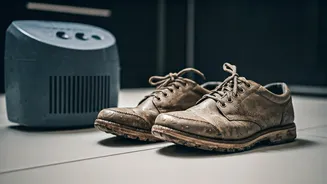
When it comes to drying, patience is key. Rushing the process with high heat can cause more harm than good. The classic and most recommended method is stuffing your shoes with crumpled newspaper. The paper is highly absorbent and will draw moisture from the inside out. For best results, replace the damp newspaper every few hours. Another safe and effective method is to place your shoes in front of a fan. The constant air circulation speeds up evaporation without the risk of heat damage. You can also use uncooked rice or silica gel packs, which are excellent at absorbing moisture. For those who frequently battle wet shoes, investing in a dedicated shoe dryer that uses low, gentle heat can be a game-changer.
What to Avoid at All Costs
In a hurry to get your shoes dry, you might be tempted to use direct, high heat. This is a critical mistake. Never place your shoes directly in the sun, near a heater, or use a hairdryer on a high-heat setting. Excessive heat can cause leather to warp, crack, and become stiff. It can also melt adhesives and damage synthetic materials, causing the shoe to lose its shape and structural integrity. While a hairdryer can be used in an emergency, it should be on the lowest, coolest setting and held at a safe distance, moving it constantly to avoid concentrating heat on one spot.
Proactive Monsoon Foot Care
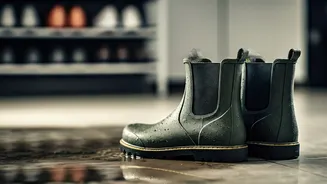
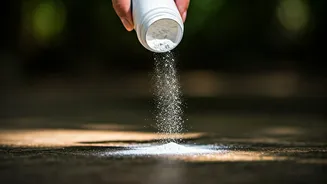
Prevention is always better than cure. During the monsoon, opt for footwear made from waterproof or quick-drying materials like rubber, PVC, or EVA. Open-toed sandals and flip-flops can be a good choice as they allow feet to dry quickly. It's also wise to rotate between at least two pairs of shoes, giving each pair ample time to dry out completely before being worn again. On your feet, using an antifungal powder can help absorb sweat and keep them dry. If you notice any persistent itching, redness, or odour, it's best to address it immediately to prevent a minor issue from becoming a major infection.