




From Shelf Appeal to Source Material
The initial wave of sustainable beauty conditioned us to look for glass bottles, bamboo lids, and post-consumer recycled (PCR) plastics. [22] While these are positive steps, true sustainability examines a product’s journey long before it hits the shelf.
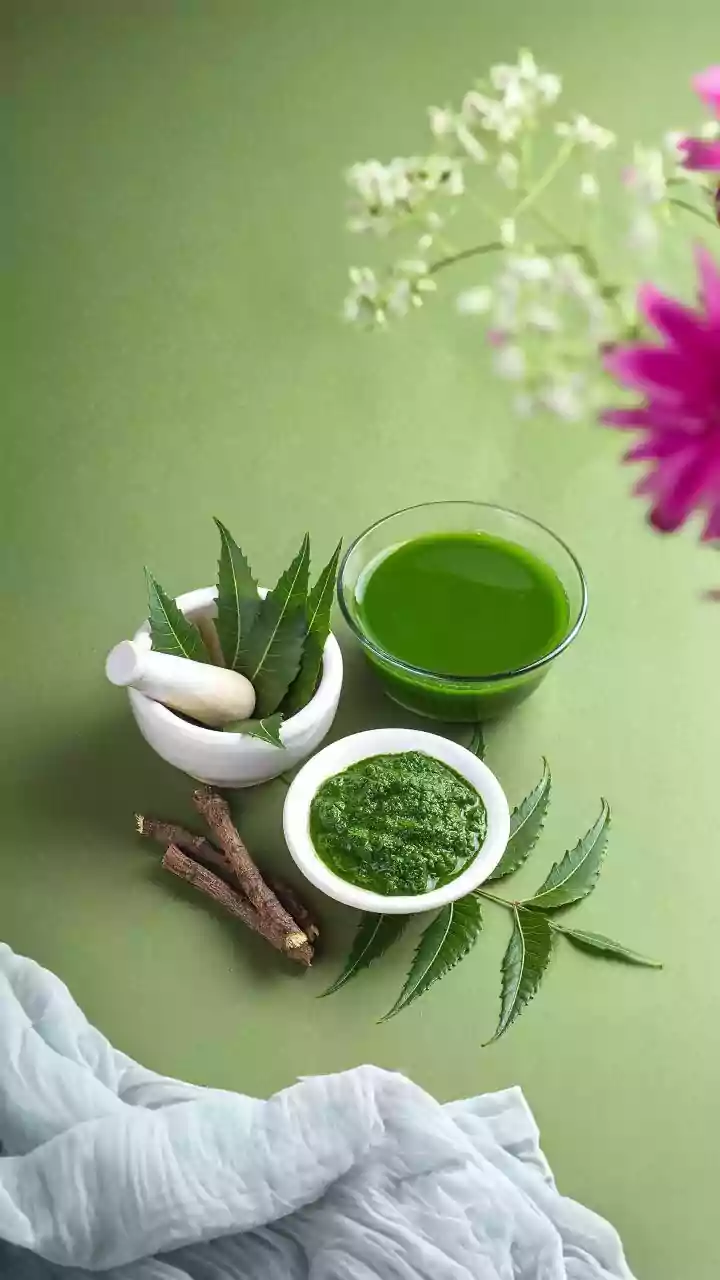
The focus is now shifting to the raw materials themselves. [7] Roughly 30% of a beauty product's carbon footprint can come from the extraction of these ingredients. [1] This has led to a rise in demand for transparent and ethical sourcing, where brands are accountable for the environmental and social impact of their supply chains. [11, 15] Consumers increasingly want to know that the ingredients in their serums and creams are harvested in ways that don't contribute to deforestation, water scarcity, or unfair labour practices. [5, 13]
The Waterless Wave
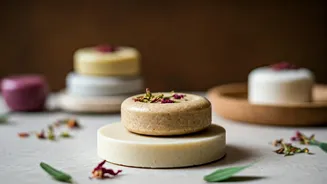
One of the most significant trends is the move towards waterless, or anhydrous, formulations. [21] Traditional products can contain up to 70-90% water, which requires larger packaging, increases shipping emissions, and necessitates chemical preservatives. [23] By removing water, brands can create concentrated, lighter products like solid shampoo bars, cleansing powders, and serum sticks. [10, 23] This innovation not only conserves a precious resource but also often results in more potent formulas and a longer shelf life, reducing overall product waste. [16, 24] The market for waterless cosmetics is a clear indicator of this shift, with projections showing significant growth as consumers embrace sustainability. [10]
Upcycling Goes Glam
The concept of upcycling—transforming waste materials into high-quality new products—has officially entered the beauty space. [4] This innovative approach uses by-products from other industries, such as fruit peels, coffee grounds, and olive residues, and converts them into valuable cosmetic ingredients. [2, 6, 9] These upcycled ingredients are often rich in antioxidants and vitamins, offering skin benefits from materials that would have otherwise ended up in a landfill. [3] This trend not only tackles food and plant waste but also creates a compelling story for brands looking to demonstrate a genuine commitment to a circular economy. [2, 9]
Carbon-Conscious Cosmetics
A product’s carbon footprint is becoming a key metric for sustainability-minded brands and consumers. [8] This holistic measure includes emissions from sourcing raw materials, manufacturing, transportation, and end-of-life disposal. [1, 12] In response, some companies are investing in energy-efficient production, utilizing renewable energy, and localizing their sourcing to reduce transport-related emissions. [1, 17] The goal is to move towards carbon-neutral or even carbon-negative operations, where a company actively removes more carbon from the atmosphere than it emits. Transparency is crucial here, as brands need to accurately quantify and communicate their carbon impact to build consumer trust. [8]
The End-of-Life Equation
Even with perfect sourcing and production, the question of what happens to a product after it’s used remains. While recycling is important, the industry produces an estimated 120 billion units of packaging each year, and much of it isn't properly processed. [5, 25] The new frontier is biodegradability—not just for packaging, but for the product formula itself, especially for rinse-off products like cleansers and shampoos. [29, 30] However, the term 'biodegradable' can be misleading, as many materials only break down under specific industrial composting conditions that aren't available to most consumers. [28] True innovation lies in creating home-compostable packaging and formulas that break down harmlessly in natural environments. [27, 28]