






The Spreading Scourge of Salinity
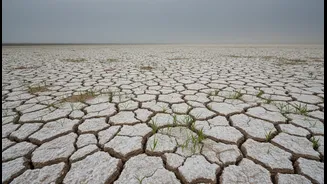
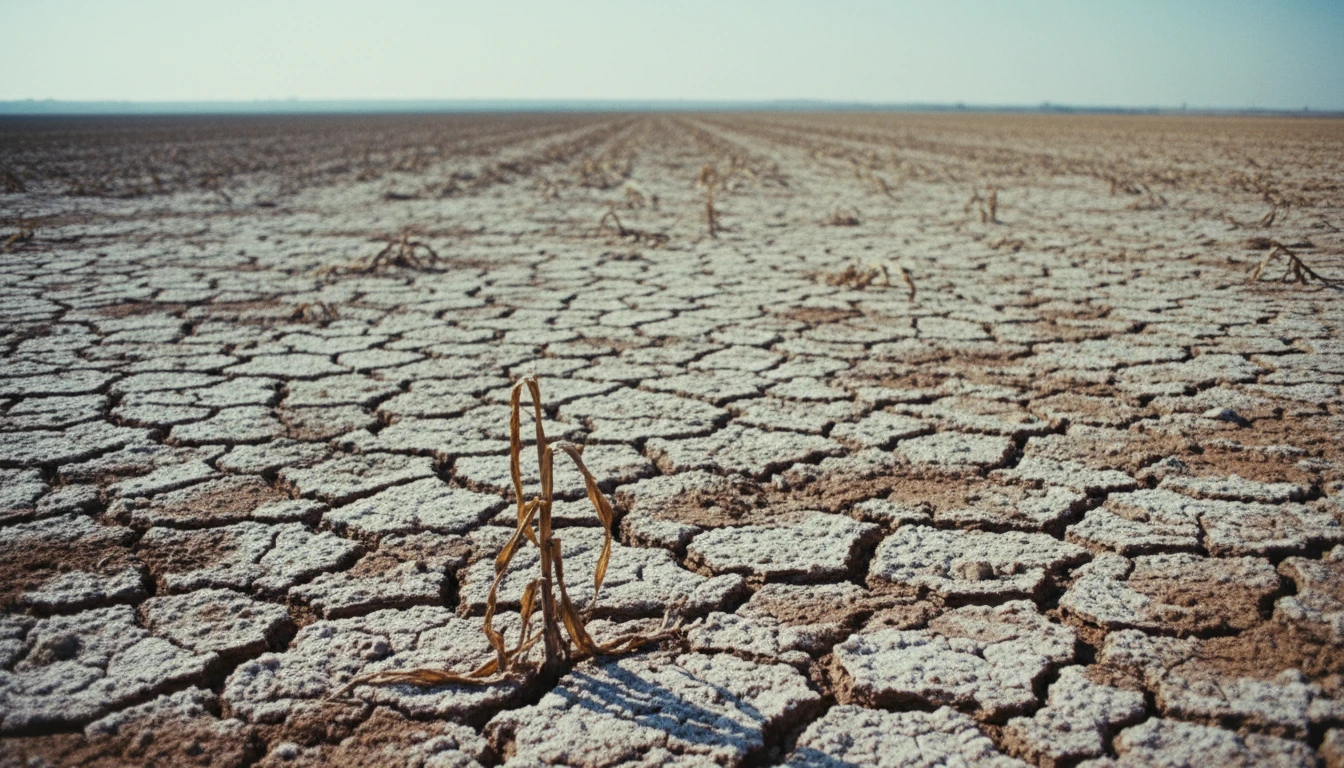
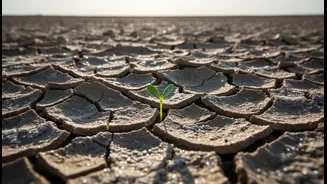
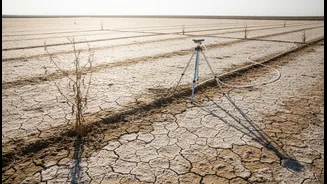
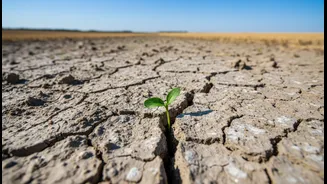
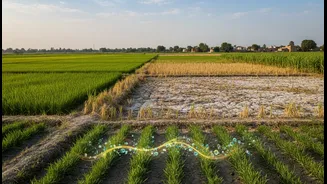
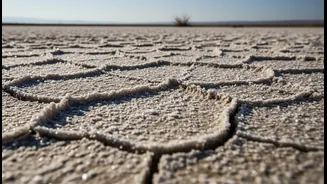
Imagine a field where crops struggle to grow, where the very soil seems to have turned against the farmer. This is the reality for vast stretches of agricultural land in India, where an estimated 6.73 million hectares are affected by salt. This phenomenon,
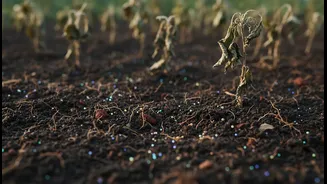
known as soil salinization, occurs when soluble salts build up in the soil to toxic levels. It can be caused by natural processes in coastal areas, but is often worsened by human factors like over-irrigation with poor quality water, inadequate drainage, and the increasing frequency of droughts and floods linked to climate change. For farmers, the results are devastating: poor seed germination, stunted plant growth, and dramatically reduced crop yields, threatening both food security and economic stability.
Meet Nature's Cleanup Crew
For years, the primary solutions for saline soils involved costly chemical treatments or large-scale engineering projects, often out of reach for small farmers. Now, scientists and agricultural experts are championing a more sustainable and affordable approach: phytoremediation. This strategy deploys nature's own 'helpers' to heal the land. The two main players in this cleanup crew are halophytes, a special class of salt-tolerant plants, and beneficial soil microbes. Instead of fighting against nature, this method works with it, using living organisms to draw out excess salt and restore the soil's health from the ground up.
How Salt-Tolerant Plants Work
Halophytes are plants that have evolved to not just survive but thrive in high-salinity environments. They have a remarkable ability to absorb large quantities of salt from the soil and store it in their tissues, a process called bioaccumulation. Farmers can plant species like Suaeda maritima or Sesuvium portulacastrum, which act like natural vacuum cleaners for salt. After these plants have grown, they are harvested, effectively removing the accumulated salt from the land. Studies have shown that cultivating these plants can significantly reduce the soil's electrical conductivity—a key measure of salinity—making it hospitable once again for conventional crops. This approach doesn't just remove salt; it also improves soil structure and fertility.
The Unseen Heroes: Beneficial Microbes
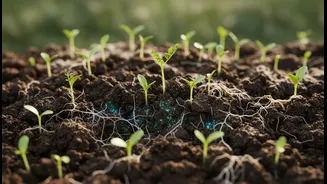
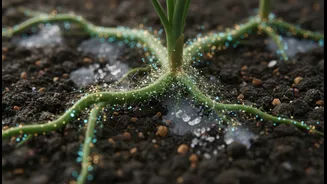
Working in tandem with halophytes are billions of invisible allies: soil microorganisms. Certain types of bacteria and fungi, known as Plant Growth-Promoting Rhizobacteria (PGPR) or microbial inoculants, play a crucial role in helping plants cope with saline stress. These microbes colonise the plant's root system and work in several ways. They can enhance nutrient uptake, produce hormones that stimulate plant growth, and help the plant regulate its internal balance of water and ions, making it more resilient to the toxic effects of salt. Research in India has shown that co-inoculating crops like wheat with salt-tolerant microbes such as Trichoderma and Bacillus can significantly improve growth, grain yield, and the plant's overall ability to withstand saline-sodic conditions.
From Lab to Land
This nature-based approach is more than just a theory. Across India, from the coastal regions of Tamil Nadu to the arid plains of Gujarat, these solutions are being put into practice. In Gujarat, studies integrating halophilic (salt-loving) microbial formulations with vermicompost and reduced chemical fertilisers in wheat fields have shown a yield increase of up to 15% while improving soil health by reducing pH and salinity. The benefits are numerous: it's a low-cost alternative to chemical amendments like gypsum, it improves the soil's water-holding capacity, and it can provide farmers with additional income from the halophytic crops themselves, which can be used for fodder or biofuel. It represents a move toward a more holistic, circular agricultural system.
The Path Forward
While the potential of these natural helpers is immense, scaling up their adoption comes with challenges. Greater awareness and training are needed for farmers to understand and implement these new techniques. Access to quality seeds for the right halophyte species and reliable, region-specific microbial inoculants is also crucial. Success depends on a multi-faceted approach that includes not just the right plants and microbes but also improved water management and supportive government policies. Continued research by institutions like the Indian Council of Agricultural Research (ICAR) is vital to identify the best local solutions for different salt-affected regions.