







The Simple Science Behind the Stroll
When you eat, your body converts carbohydrates into glucose, a type of sugar that enters your bloodstream to be used for energy. This causes your blood sugar levels to rise. [4] In response, your pancreas releases insulin, a hormone that helps transport
this glucose into your cells. For many people, especially those with insulin resistance or diabetes, this process isn't as efficient, leading to sharper and more prolonged spikes in blood sugar. This is where a post-meal walk works its magic. When you walk, your muscles need energy. They can pull glucose directly from your bloodstream to fuel this movement, effectively acting like a sponge for excess sugar. [9, 17] This process reduces the amount of glucose circulating in your blood, which in turn lowers the blood sugar spike that typically occurs after a meal. [8, 12] This muscle activity happens with or without a large amount of insulin, making it a powerful tool for everyone. [12]
Timing Is Everything: When to Walk
To get the most benefit, the timing of your walk is crucial. Research suggests that light physical activity is most effective when done within 60 to 90 minutes after you finish your meal. [1, 8] This window is considered the sweet spot because it's when your blood sugar levels are typically at their highest. [4] By walking during this peak, you intercept the glucose before it reaches its highest concentration, leading to a more gradual rise and fall. [1] Studies have shown that walking shortly after a meal is significantly more effective for glucose control than walking at other times of the day or even before you eat. [2, 13] If you wait too long, your body will have already dealt with the initial sugar surge, and the walk will have less of an impact on that immediate post-meal spike.
How Long and How Fast?
The good news is that you don't need to run a marathon after dinner. Studies have shown that even a very short walk can make a difference. Some research indicates that walking for as little as two to five minutes after a meal can have a measurable effect on lowering blood sugar. [4, 8] However, for more substantial benefits, most experts recommend a 10 to 15-minute walk. [3, 10] One study found that three 10-minute walks after meals were even more effective at controlling blood sugar in people with type 2 diabetes than one 30-minute walk at another time of day. [13] The intensity should be light to moderate—think a brisk stroll, not a power walk. [10] You want to get your heart rate up slightly without causing digestive discomfort. If you feel any stomach upset, it's best to wait 10 to 15 minutes after eating before you start. [2]
More Than Just Blood Sugar
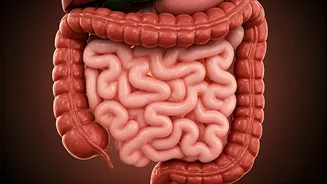
The benefits of a post-meal stroll extend beyond glucose control. Gentle movement can also aid digestion by stimulating the stomach and intestines, helping food move through your system more rapidly. [2] This can help reduce common complaints like bloating and gas. [2, 10] Regular post-meal walks contribute to overall heart health by helping to manage blood pressure and reduce inflammation. [2, 3] This simple habit also adds to your daily step count, which can support weight management goals when combined with a balanced diet. [2] Furthermore, it can help combat the post-meal slump, boosting your energy levels and even improving your mood through the release of endorphins. [10]
A Habit for Everyone
While post-meal walking is particularly impactful for individuals with prediabetes or type 2 diabetes, its benefits are universal. [1, 3] Anyone can experience gentler blood sugar curves and improved digestion from this simple habit. It's a low-effort, high-reward activity that's easy to incorporate. You can walk around your neighbourhood, use a treadmill, take a few laps around your office building after lunch, or even just walk around your living room. [15] The key is consistency. By making a short walk a non-negotiable part of your routine after your largest meal of the day, you can build a sustainable habit that supports your long-term metabolic health. [6]