




The High Cost of Sitting Still
The modern office job has a hidden occupational hazard: the chair. Spending eight hours a day in a seated position is a reality for a vast number of workers, and our bodies are paying the price. This prolonged sedentary behaviour is linked to a host of health
issues that go beyond simple aches. Research shows that sitting for long periods can contribute to poor posture, musculoskeletal disorders, obesity, and even increase the risk of chronic conditions like heart disease and type 2 diabetes. The strain isn't just physical; it can also affect mental well-being, with links to increased anxiety and fatigue. The constant, low-level stress on your neck, shoulders, and lower back from slouching over a keyboard leads to muscle tightness and imbalance, which can become chronic problems over time.
The Power of the Micro-Break
The antidote to sitting isn't necessarily a strenuous hour at the gym after work. While exercise is crucial, studies suggest that frequent, short bursts of movement throughout the day can be more effective at offsetting the damage of a sedentary job. This is where the 'micro-break' comes in. These are short, intentional pauses, lasting anywhere from 30 seconds to a few minutes, designed to interrupt long periods of sitting. Taking just two minutes to stretch every hour can improve blood circulation, delivering more oxygen to your muscles and brain. This not only reduces muscle stiffness and joint pain but also helps reset your mind, improving focus, reducing stress, and preventing the mental fatigue that builds up during a long workday.
Smarter, Not Harder: Why Short Stretches Work
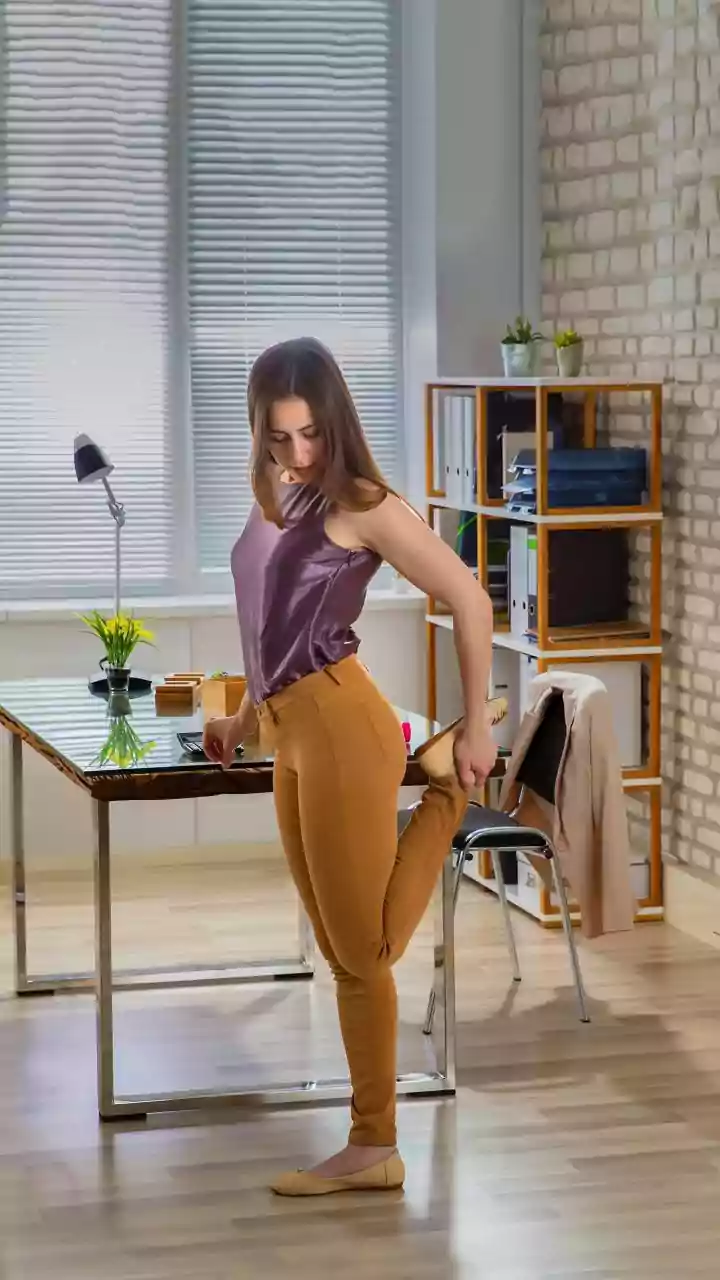
The idea of swapping a single, longer stretching session for several 'stretch snacks' might seem counterintuitive, but it's grounded in how our bodies respond to movement. Short, frequent stretches help prevent muscles from getting stiff in the first place. They are also far easier to incorporate into a busy schedule, making the habit more sustainable. You don't need to change into workout clothes or even leave your workspace. The key is consistency. These brief interruptions break the cycle of muscle stagnation that sets in after just 30 minutes of sitting in one position. By regularly moving, you are continuously sending signals to your body to stay flexible and engaged, which helps maintain a better posture and reduces the risk of repetitive strain injuries.
Your Two-Minute Stretch Routine
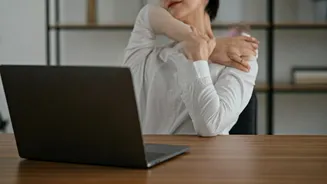
Getting started is easy. You can perform these simple stretches right at your desk. Aim to hold each stretch for 15-30 seconds, breathing normally. Remember not to push into pain; the goal is a gentle release of tension.
1. Neck Roll: Gently lower your chin to your chest. Slowly roll your head towards your right shoulder, hold for a moment, and then repeat on the left side. This helps release tension in the neck and upper shoulders.
2. Seated Spinal Twist: Sit tall in your chair. Gently twist your upper body to the right, using the armrest or chair back for a deeper stretch. Hold, then repeat on the left side. This is great for releasing lower back tightness.
3. Chest Opener: Clasp your hands behind your back, straighten your arms, and gently pull your shoulders back. You can also grip the back of your chair. This counteracts the slouched-forward posture from typing.
4. Wrist and Forearm Stretch: Extend one arm in front of you with the palm facing up. With your other hand, gently press your fingers down towards the floor. Hold, then repeat with the palm facing down. Switch hands. This helps prevent wrist strain from keyboard and mouse use.
Making It a Lasting Habit
The biggest challenge isn't doing the stretches—it's remembering to do them. The most effective strategy is to link the new habit to an existing one or use a simple reminder. Set a recurring timer on your phone or computer for every hour. You could also make it a rule to stand up and stretch every time you finish a phone call or before you start a new task. Encouraging colleagues to join in can create a supportive culture around workplace wellness. Starting small is key. Don't feel pressured to do a full routine every single hour. Even one or two quick stretches are better than none. The goal is to make movement a natural and non-negotiable part of your workday, turning small actions into significant, long-term health benefits.