


The Airport's Second Act
Rupsi Airport, located in Assam's Kokrajhar district and serving the historic city of Dhubri, has a storied past. Originally built by the British during World War II, the airfield was a crucial base for supplying Allied forces in the China-Burma-India
theatre. After decades of disuse following the shutdown of regional airline Vayudoot in the 1980s, the airport was revived under the government's UDAN (Ude Desh ka Aam Nagrik) scheme. Commercial flights resumed in May 2021, reconnecting western Assam with major hubs like Guwahati and Kolkata. This revitalisation is a key part of a broader push to boost regional connectivity, making remote areas more accessible for tourism and commerce. The recent Skyscanner data, which places Rupsi high on its list of trending destinations, indicates that this strategy is paying off by sparking significant traveller curiosity.
Cultural Heritage and Natural Wonders
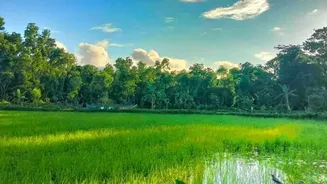
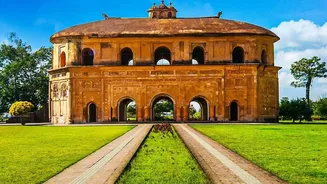
The massive spike in interest isn't just about a new airport; it's about what lies beyond the runway. The region around Dhubri is a rich tapestry of culture, history, and nature, long overlooked by mainstream tourism. One major draw is the area's deep spiritual heritage. It is home to the Mahamaya Dham, considered a significant Shakti Peeth, and the historic Gurudwara Sri Guru Teg Bahadur Sahib Ji, which commemorates the visit of the ninth Sikh Guru. The 15th-century Panbari Mosque, also known as Rangamati Mosque, is one of the oldest in Assam and a testament to the region's diverse history. For nature lovers, the airport serves as a gateway to the Chakrasila Wildlife Sanctuary, the second protected habitat for the endangered Golden Langur in India. This sanctuary, with its dense forests and serene lakes like Dhir and Diplai, offers a haven for wildlife enthusiasts and birdwatchers.
The Rise of the Artisan Village
A significant contributor to the region's newfound fame is Asharikandi, a village that has become synonymous with traditional terracotta craftsmanship. Located just 14 km from Dhubri, this village is home to a large cluster of artisan families who have practiced the craft for over a century. The tradition, brought by potters from erstwhile East Bengal, has evolved into a unique Assamese art form. The artisans create everything from decorative dolls, like the famous 'Hatima' doll, to religious idols and household items. Recently, Asharikandi's terracotta craft received a Geographical Indication (GI) tag, a prestigious recognition of its unique origin and quality. This, along with a mention in Prime Minister Narendra Modi's 'Mann Ki Baat' address, has put the village and its artisans in the national spotlight, likely fuelling interest among cultural tourists.
A New Model for Indian Tourism
The story of Rupsi's rising popularity is more than just a local success story; it's a perfect example of how targeted infrastructure development can unlock tourism potential in India's heartlands. The UDAN scheme was designed to connect unserved and underserved airports, making travel more affordable and accessible while promoting balanced regional growth. The surge in searches for Rupsi suggests a growing appetite among Indian travellers for authentic, off-the-beaten-path experiences. As travellers seek to move beyond crowded tourist circuits, destinations like Dhubri, with their unique blend of spiritual heritage, pristine nature, and living craft traditions, are poised to benefit. The interest in Rupsi could serve as a blueprint for how improving last-mile connectivity can stimulate local economies and put countless other hidden gems across the country on the modern traveller's map.