





Why Choose a Loose Braid?
Loose braids offer a softer, more relaxed aesthetic compared to their tighter counterparts. They are less about precision and more about texture and flow, making them incredibly versatile for both casual and slightly more dressed-up occasions. The key
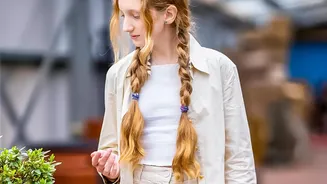
to a great loose braid is the 'pancaking' technique: once the braid is secured, gently pull on the outer loops to widen and flatten it. This creates an illusion of volume and an effortless, lived-in feel. For those with fine hair, this technique is a game-changer, making braids appear fuller. For those with thick hair, it creates a beautifully distributed, substantial plait. This style is not only chic but also gentler on the scalp, as it avoids the tension that can come with tighter braided styles.
The Effortless Side Fishtail
The fishtail braid looks intricate and complex, but it's surprisingly simple to create. Unlike a standard three-strand braid, a fishtail only uses two sections of hair. To begin, sweep all your hair to one side. Divide your hair into two large, equal sections. Take a small piece of hair from the outside of the left section, cross it over the top, and join it to the inside of theright section. Then, repeat on the other side: take a small piece from the outside of the right section, cross it over, and add it to the left section. Continue this pattern all the way down and secure with a clear elastic. For that signature loose look, gently tug the sides of the braid to create texture and volume. This style works beautifully with long hair because the length showcases the intricate woven pattern.
The Romantic Dutch Braid
A Dutch braid, also known as a reverse French braid, creates a stunning three-dimensional effect because the strands are crossed under each other instead of over. This makes the braid pop from the hair, giving it a pronounced, stylish look. Start with three sections at your crown or the nape of your neck. Cross the right strand under the middle one, then cross the left strand under the middle one. As you continue down, begin incorporating more hair from the sides into the outer strands before you cross them under. Don't worry about keeping it perfectly neat; the goal is a relaxed finish. Once secured, you can pancake the braid for extra softness and volume. A loose Dutch braid can be styled down the back, to the side, or even wrapped into a chic crown or updo.
The Classic Three-Strand Plait
Never underestimate the power of a simple, classic three-strand braid. It's the foundation of all braiding and can be easily adapted for a loose, modern style. For an everyday look, gather your hair at the nape of your neck and divide it into three equal sections. Braid normally, but maintain a relaxed tension. The secret to elevating this simple braid lies in the prep and finish. Starting with hair that has some texture—either from a texturizing spray or second-day hair—will provide more grip and prevent the braid from slipping. After securing the braid, pull out a few face-framing pieces to soften the look. Then, gently pull the braid apart to give it that coveted messy-chic vibe.
Tips for Perfecting Your Loose Braid
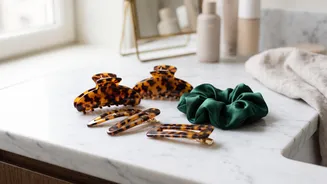
Achieving the perfect loose braid is less about technique and more about the finishing touches. Before you even start, applying a texturizing spray or a light-hold hairspray can give your strands the grip needed to hold the style without it completely falling apart. Using small, clear elastics can make the final look seem more polished and intentional. If you find your braid is too tight after you’ve tied it off, don't be afraid to pull it apart section by section until you achieve the desired looseness. For a truly romantic finish, consider adding a ribbon or a silk scrunchie to the end. These small details can transform a simple braid into a statement hairstyle.