


Focus on Protein Diversity
For many in India, vegetarian protein means paneer or dal. While these are excellent, experts stress that variety is key to getting all essential amino acids and nutrients. Make a conscious effort to incorporate a wider range of protein sources into your
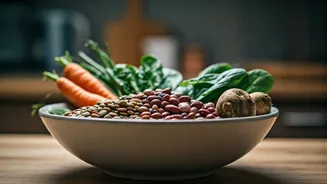
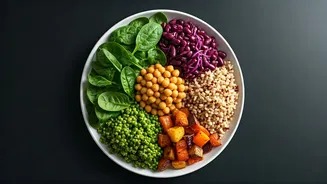
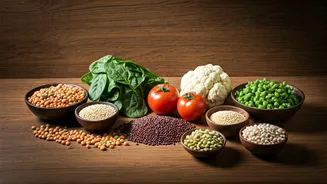
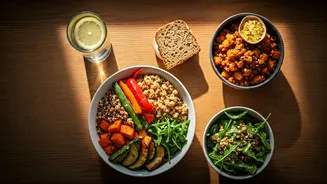
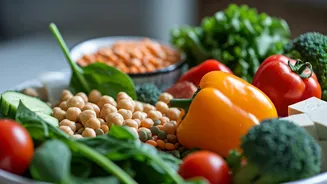
weekly rotation. Think beyond the usual: include chickpeas, rajma, various lentils, tofu, edamame, quinoa, nuts, and seeds. A handful of pumpkin seeds, for instance, provides a surprising protein and zinc boost. Aiming for a protein source with every meal helps maintain satiety, build muscle, and keep energy levels stable, preventing the common trap of filling up on carb-heavy, low-nutrient foods.
Eat a Rainbow of Colours
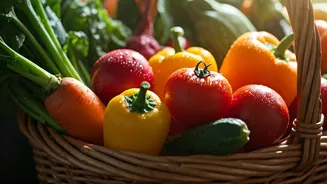
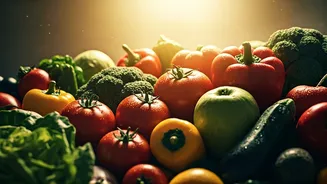
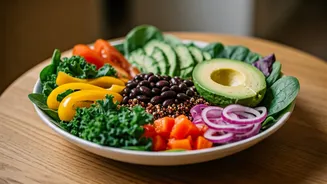
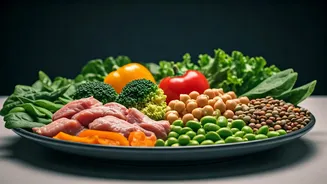
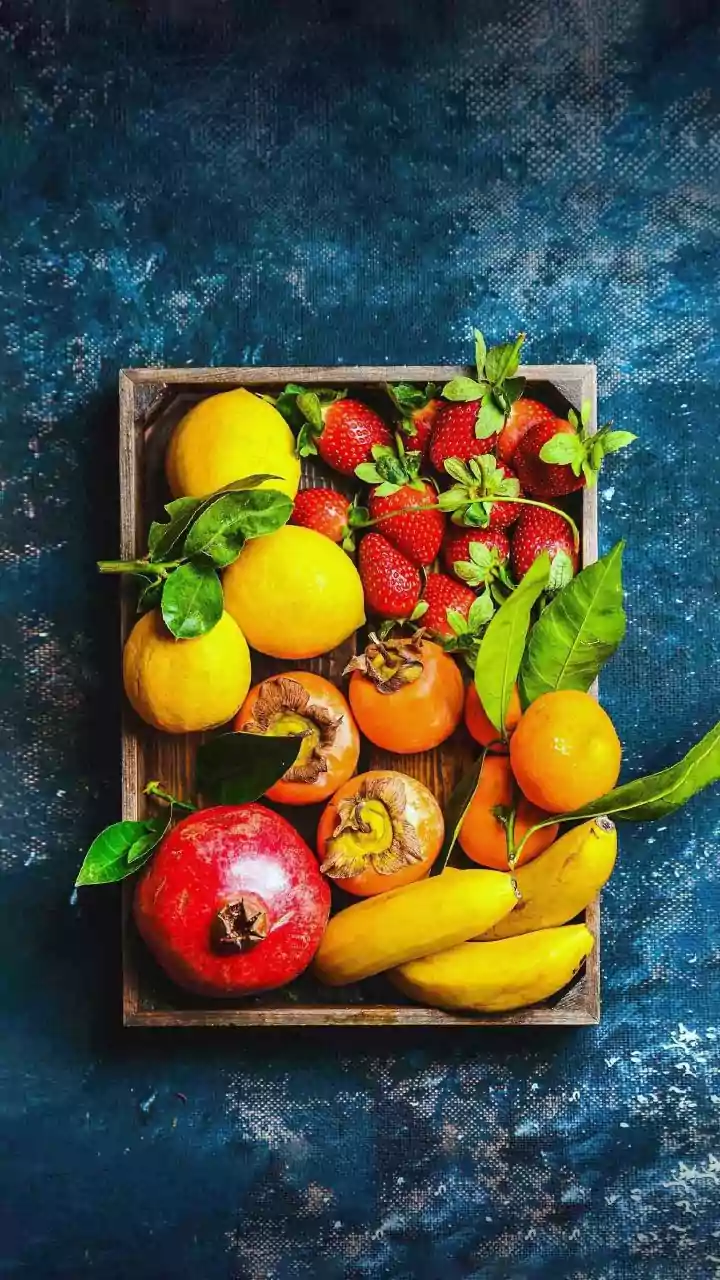
Nutritionists use the "eat the rainbow" cliché for a good reason: it works. The different colours in fruits and vegetables signify the presence of different phytonutrients, vitamins, and antioxidants, each with unique health benefits. Red foods like tomatoes and watermelon contain lycopene. Orange and yellow ones like carrots and bell peppers are packed with carotenoids and vitamin C. Green leafy vegetables are powerhouses of iron, calcium, and folate. Blue and purple foods like brinjal and jamun offer powerful antioxidants called anthocyanins. By making your plate as colourful as possible, you naturally ensure a broad intake of the micronutrients essential for immunity, skin health, and long-term vitality.
Pair Iron and Vitamin C
Plant-based iron (non-heme iron), found in foods like spinach, lentils, and beans, is harder for our bodies to absorb than the iron from animal sources. However, experts share a simple but powerful hack to significantly boost absorption: pair your iron-rich foods with a source of Vitamin C. For example, squeeze lemon juice over your palak dal, enjoy a side of amla or a tomato salad with your meal, or eat a citrus fruit after a bowl of beans. This simple culinary combination helps your body unlock and utilize much more of the iron from your food, which is crucial for preventing fatigue and anaemia.
Don't Neglect Healthy Fats
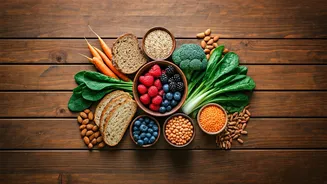
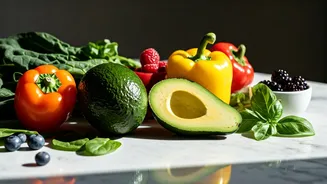
The fear of fat is outdated. Healthy fats are absolutely essential for brain health, hormone production, and absorbing fat-soluble vitamins (A, D, E, and K). A well-planned vegetarian diet must include them. Experts recommend moving away from heavily processed refined oils and instead embracing whole-food sources of fat. Incorporate avocados, nuts (walnuts are fantastic for omega-3s), seeds (chia, flax, and sunflower), and moderate use of cold-pressed oils like mustard or groundnut oil. These good fats also provide satiety, making your meals more satisfying and helping you avoid unhealthy snacking later.
Mind Your Vitamin B12
This is one of the most critical points for long-term vegetarians and vegans. Vitamin B12, crucial for nerve function and the formation of red blood cells, is not naturally and reliably found in plant foods. While some products like nutritional yeast or fortified breakfast cereals may contain it, experts agree that relying on them alone can be risky. A long-term deficiency can lead to serious and sometimes irreversible neurological issues. Therefore, a reliable B12 supplement is often recommended as a simple, safe, and effective way to cover this critical nutritional gap.
Prioritise Whole Grains
Roti, rice, and bread are staples in the Indian diet, but the type you choose matters immensely. Experts unanimously advise choosing whole grains over their refined counterparts. This means opting for whole wheat atta, brown rice, oats, and traditional millets like jowar, bajra, and ragi. Whole grains provide complex carbohydrates for sustained energy release, along with vital dietary fibre that aids digestion, helps manage blood sugar levels, and keeps you feeling full longer. Simply swapping white rice for brown rice or a millet-based alternative is a small change that delivers a big impact on your overall health.