

Why Your Fern Craves a Humid Home
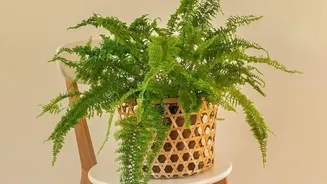
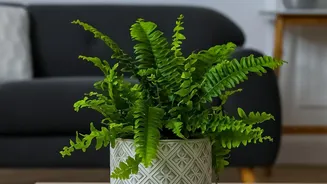
Most ferns that we welcome into our homes are native to tropical and subtropical rainforests, where they thrive in the dappled light and moist air of the forest floor. The environment in a typical house, especially during winter when heating systems are running,
is far drier. This low humidity is one of the biggest challenges for an indoor fern, causing its fronds to lose moisture faster than the roots can absorb it. The result is often the dreaded crispy, brown tips and edges that signal a plant in distress. To keep a fern happy, you need to replicate its natural, humid habitat as closely as possible.
Misting: A Simple Humidity Solution
This is where misting comes in. While watering hydrates the roots, misting helps hydrate the foliage. A regular spray with a fine mist temporarily envelops your fern in a cloud of moisture, raising the ambient humidity around its fronds. This simple action mimics the dew and damp air of its native environment, helping to prevent the excessive water loss that leads to drying and browning. Besides providing a humidity boost, misting also has the added benefit of cleaning dust from the fronds, which allows the plant to breathe and absorb light more efficiently. For many tropical plants, including ferns, this practice is a vital part of their care routine.
The Art of Misting Correctly
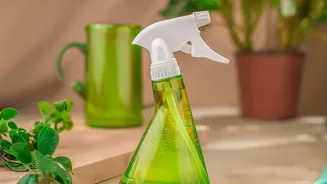
Effective misting is more than just spraying your plant with water. To do it right, start with the right water; using distilled, filtered, or rainwater can prevent mineral buildup that leaves white spots on the foliage. Tap water is usable if you let it sit out overnight to allow chlorine to evaporate. Use a spray bottle that produces a fine, even mist rather than large droplets. The best time to mist is in the morning, which allows the leaves to dry naturally throughout the day and reduces the risk of fungal issues. Aim to lightly coat the fronds, including the undersides, without drenching them. Consistency is key, with a routine of two to three times a week often being sufficient, depending on your home's air quality.
Is Misting Enough on Its Own?
While misting is an excellent and often essential practice, some experts note its effects can be temporary. On very dry days or in homes with constant heating or air conditioning, the humidity boost from a single misting session may not last long. For this reason, it's wise to consider misting as one tool in a larger humidity-boosting toolkit. Combining misting with other methods will create a more stable, fern-friendly environment. Think of it as a crucial first step, but not the only step, in your humidity strategy.
More Ways to Boost Humidity
To provide more consistent moisture, consider placing your fern in a naturally humid room like a bathroom or kitchen, provided there is adequate indirect light. Another effective and popular method is the pebble tray. Simply fill a shallow tray with pebbles and water, then set your fern's pot on top, ensuring the pot sits above the water line to prevent root rot. As the water evaporates, it creates a personal pocket of humidity for your plant. Grouping your fern with other houseplants also helps, as plants naturally release moisture through a process called transpiration, collectively raising the humidity in their immediate area. For the ultimate solution, a small room humidifier can maintain a consistent humidity level between 40% and 60%, which most ferns love.