







More Than Just Cravings
The shift in what we eat during the monsoon is deeply rooted in science and tradition. Ayurvedic principles suggest that the humid, damp weather weakens our digestion. Therefore, the traditional monsoon diet favours warm, freshly cooked, and easily digestible
foods. This is why there's an emphasis on warm soups, steamed dishes, and the use of spices like ginger, turmeric, and black pepper, which are known to aid digestion and boost immunity. There's also a scientific reason behind the craving for fried snacks like pakoras; a lack of sunlight can dip our serotonin levels, and our bodies crave carbohydrates to get a brief boost. This ancient wisdom and biological response have given rise to a rich tapestry of monsoon-specific cuisine across India.
Northern Comfort: A Festival of Fried Food
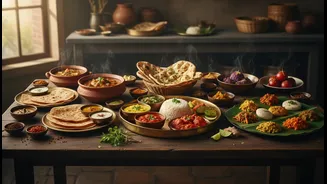
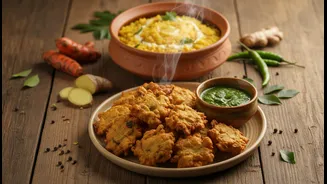
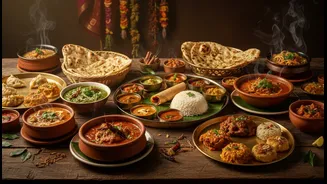
In North India, the arrival of rain is almost synonymous with the sizzle of snacks being deep-fried. The classic combination of assorted pakoras (vegetable fritters) and a steaming cup of masala chai is a ritual in countless households. Streets come alive with vendors selling bhutta (roasted corn on the cob), slathered with lime juice and spices, and crispy samosas filled with spiced potatoes and peas. Restaurants and homes also prepare heartier dishes like Chole Bhature, a rich chickpea curry with fluffy fried bread, which feels particularly rewarding on a cool, rainy day. For those with a sweet tooth, syrupy jalebis and malpuas offer a warm, indulgent end to a monsoon meal.
Coastal Bounty: The Best of the Sea and Steam
Along India's vast coastline, the monsoon dictates the rhythm of life and the contents of the cooking pot. In Maharashtra, the season is incomplete without Kanda Bhaji (onion fritters) and Batata Vada. While some fishing is restricted, certain catches are prized. In Mumbai, Bombil Bhujna, a curry made with Bombay duck, is a local delicacy. Further south in Kerala, the rain is paired with crispy Parippu Vada (lentil fritters) and comforting, warming rasam (a tangy soup). Steamed dishes also take centre stage, as they are considered lighter and healthier. In Mangalore, Pundi Gatti, steamed rice dumplings, are a popular breakfast choice. This shift towards steamed foods and specific seasonal fish is a hallmark of coastal monsoon kitchens.
Eastern Delight: The Reign of the Hilsa
For West Bengal and much of Eastern India, monsoon means one thing above all: Ilish, or Hilsa fish. This period, from July to September, is when the 'queen of fish' is at its most flavourful, and it becomes the centrepiece of Bengali cuisine. Entire food festivals, known as Ilish Utsavs, are dedicated to this delicacy, celebrating it in myriad forms. Iconic preparations include Ilish Bhapa (steamed in a pungent mustard-coconut paste), Ilish Paturi (wrapped and cooked in banana leaves), and simple Ilish Bhaja (fried fish). This seasonal obsession is a prime example of a regional culinary event dictated entirely by the monsoon's bounty.
How to Find These Seasonal Gems
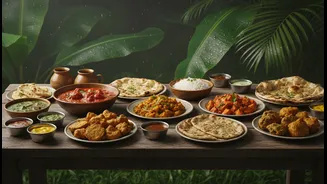
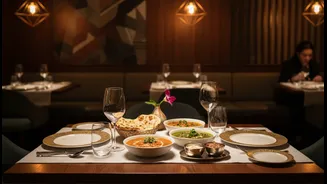
While many of these dishes are prepared in homes, a growing number of restaurants and cafes across India are curating special monsoon menus. These often feature traditional comfort foods, from regional chaats and pakoras to elaborate main courses and desserts that evoke the nostalgia of the season. Keep an eye out for promotional signs or social media posts from local eateries advertising their 'Monsoon Specials' or 'Rainy Day Menu'. Don't hesitate to ask the staff if they have any seasonal dishes. Often, the best items are off-menu recommendations that celebrate the unique flavours only available during this magical time of year.