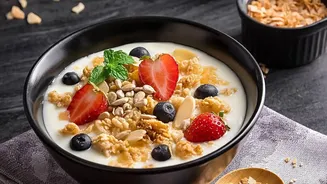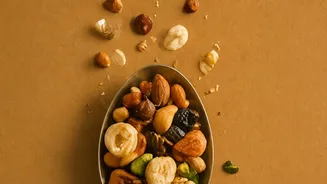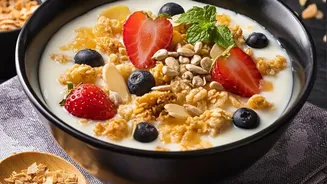






Starting your day with a balanced, protein-rich breakfast is crucial for managing blood sugar levels. Adding nutrient-dense seeds can provide an extra advantage by delivering fibre, healthy fats, and essential minerals to support your health goals.
Chia Seeds
These
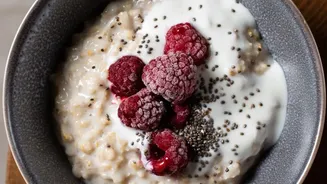
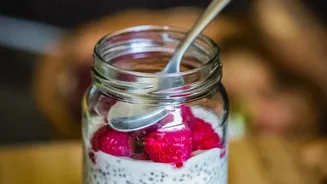
tiny black seeds are a powerhouse of nutrition, making them an excellent addition to a diabetes-friendly diet. Chia seeds are exceptionally high in soluble fibre, which forms a gel-like substance in your stomach. This process slows down digestion and the absorption of carbohydrates, helping to prevent sharp spikes in blood sugar after a meal. Their high fibre content also promotes a feeling of fullness, which can aid in weight management. Furthermore, chia seeds are a good source of alpha-linolenic acid (ALA), a type of omega-3 fatty acid that supports heart health. Pair them with protein by stirring a tablespoon into Greek yogurt, blending them into a protein smoothie, or making an overnight chia pudding with protein powder.
Flaxseeds
Flaxseeds, which are best consumed ground to improve nutrient absorption, offer significant benefits for blood sugar control. They are rich in both soluble fibre and lignans, which are plant compounds with powerful antioxidant properties. Studies suggest that the fibre in flaxseeds can slow the release of sugar into the bloodstream, leading to better glycemic control. The combination of fibre, protein, and healthy fats helps to stabilize blood sugar levels. Additionally, the ALA omega-3s in flaxseeds may improve insulin sensitivity and reduce inflammation, a common concern in type 2 diabetes. For a protein-boosted breakfast, sprinkle ground flaxseed over scrambled eggs, mix it into oatmeal, or add it to a cottage cheese bowl.
Hemp Seeds
Hemp seeds, or hemp hearts, have a pleasant, nutty flavour and an impressive nutritional profile. They stand out for their high-quality protein content, containing all essential amino acids. This makes them a fantastic complement to other breakfast proteins. The combination of protein, healthy fats, and fibre in hemp seeds helps to slow down glucose absorption and maintain stable blood sugar levels. Hemp seeds are also a good source of minerals like magnesium, which plays a crucial role in glucose metabolism and insulin function. Studies in animals have even suggested that compounds in hemp seeds may have a hypoglycemic effect. Sprinkle them generously on avocado toast with an egg, blend them into smoothies, or stir them into a bowl of yogurt.
Pumpkin Seeds
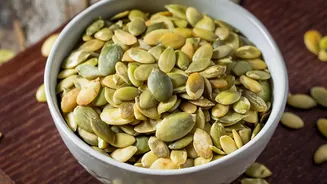
Also known as pepitas, pumpkin seeds are a delicious and nutrient-rich option. They are an excellent source of magnesium, a mineral that is vital for blood sugar regulation and improving insulin sensitivity. Research has indicated that diets high in magnesium are associated with a lower risk of type 2 diabetes. Pumpkin seeds also provide a good mix of fibre, protein, and healthy fats, which work together to slow digestion and prevent blood sugar surges. Their antioxidant content helps combat inflammation, which is beneficial for managing diabetes-related complications. Enjoy a handful as a snack, or add them to your morning yogurt, oatmeal, or a savoury breakfast bowl for a satisfying crunch alongside your protein.
Sunflower Seeds
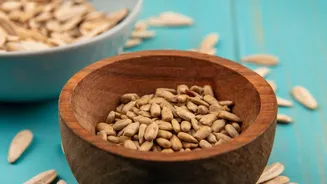
Sunflower seeds are packed with nutrients that support diabetes management, including vitamin E, magnesium, and protein. The healthy fats and fibre in sunflower seeds help to slow the emptying of your stomach, allowing for a more gradual release of sugar from the carbohydrates in your meal. This can lead to better postmeal blood sugar levels. Some studies suggest that regular consumption of sunflower seeds may help reduce fasting blood sugar over time, partly due to a plant compound called chlorogenic acid. They are a versatile addition to many proteinfocused breakfasts. Sprinkle them on top of salads, mix them into yogurt, or blend them into a homemade seed butter to spread on wholegrain toast.