




The Anatomy of Urban Burnout
Urban burnout is more than just a tough week at work. It's a chronic state of mental, physical, and emotional exhaustion fueled by relentless demands. In the city, your brain is never truly off the clock. It’s processing traffic noise, navigating crowded
sidewalks, and fielding a constant barrage of digital notifications. This high-alert state depletes your cognitive resources, making it harder to focus, regulate your mood, and feel connected to your own life. Professionals often find themselves stuck in a cycle of rumination—repetitive, negative thinking that loops without resolution. Your environment is actively working against your ability to rest, leaving you feeling drained and disconnected even on your days off.
Why Hills, Not Just Any Holiday?
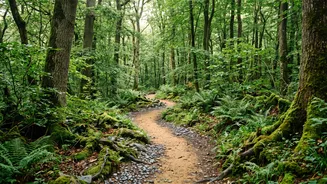
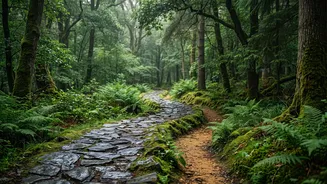
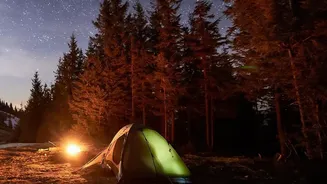
A beach resort is relaxing, but it may not solve the core problem. Uncrowded hill destinations offer a specific prescription for the symptoms of urban burnout. First, they provide solitude without loneliness. The absence of crowds and noise gives your overloaded nervous system a chance to power down. In crowded settings, our brains suffer from decision fatigue; in a quiet forest, the mind can finally relax and rejuvenate. Second, hills and mountains inspire a sense of awe. Psychologists note that experiencing awe—that feeling of being in the presence of something vast and powerful—shifts your perspective. It quiets your internal chatter and makes personal anxieties feel smaller and more manageable, promoting a sense of connection to the world rather than your to-do list.
The Power of the Micro-Vacation
The idea that you need to save up for one big, two-week vacation to recover is becoming outdated. Research suggests that the positive effects of a long holiday fade surprisingly fast, often within a week of returning to work. In contrast, shorter, more frequent trips provide regular recovery periods that are more effective at preventing burnout from taking root. These 'mental resets' break the cycle of accumulating stress. Planning several long weekends throughout the year also gives you something to look forward to, boosting optimism and motivation. A three-day escape every few months can serve as preventative self-care, helping you stay recharged and more resilient against daily pressures.
A Scientific Reset for Your Brain
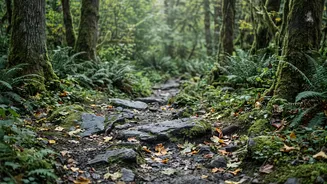
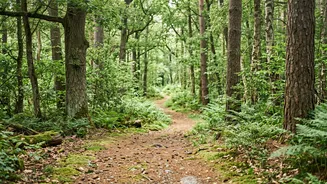
Spending time in a natural, quiet setting isn't just pleasant; it triggers measurable physiological changes. The Japanese practice of 'Shinrin-yoku' or 'forest bathing' is built on this science. Studies show that even 20-30 minutes in a natural environment can significantly lower levels of cortisol, the body's primary stress hormone. As cortisol drops, your heart rate and blood pressure follow, shifting your body from a 'fight-or-flight' state to a 'rest-and-digest' one. Furthermore, nature walks have been found to reduce neural activity in the part of the brain linked to rumination. The sensory experience itself—the smell of damp earth, the sound of wind in the trees, the filtering light—requires no cognitive effort, allowing your depleted attention to restore itself naturally.
Making Your Escape a Reality
You don't need to book a flight to a remote mountain range to reap these benefits. The key is 'uncrowded' and 'natural'. Start by looking at state parks, national forests, and lesserndown recreation areas within a twondto three hour drive of your city. Often, the most restorative spots aren't major tourist destinations but quiet corners of public land. Look for towns that border these parks. Instead of aiming for the most popular trail, pick a less trafficked one. The goal is to disconnect. Leave the laptop at home. Turn off your notifications. A short trip’s power lies in its simplicity: giving your brain the quiet enough green space it needs to heal from the demands of modern urban life.