







The Desk-Bound Energy Drain
Spending eight hours a day in a chair does more than just make you stiff. A sedentary lifestyle has a profound effect on your body's energy systems. Prolonged sitting is linked to reduced circulation, poor posture, and a general feeling of sluggishness.
Over time, this inactivity can decrease your body's overall efficiency at using oxygen and producing energy, leading to a noticeable drop in stamina. This is why even simple tasks, like climbing a few flights of stairs or a brisk walk to the car, can feel surprisingly tiring. Your body, accustomed to being still, isn't prepared to meet these physical demands, leaving you feeling drained and fatigued long before the day is over.
Rethinking High-Intensity Exercise
When faced with low energy, many people assume the answer is to jump into high-intensity interval training (HIIT) or grueling gym routines. While these workouts have their benefits, they can be overwhelming for someone transitioning from a largely sedentary state. For beginners, intense exercise can feel intimidating, leading to burnout and a higher risk of injury. Furthermore, the all-or-nothing approach often isn't sustainable. When life gets busy, a punishing hour-long workout is the first thing to be dropped. The key to building lasting stamina isn't about pushing yourself to the absolute limit, but about finding a consistent, manageable routine.
The Gentle Power of Brisk Walking
Brisk walking is arguably the most underrated form of exercise. It's free, accessible, and requires no special equipment. For a desk worker, it’s a perfect antidote to a day spent sitting. This form of low-intensity steady-state (LISS) cardio is exceptionally effective for building a solid aerobic base. A brisk walk elevates your heart rate enough to improve cardiovascular fitness without putting excessive strain on your joints. Studies show that regular walking boosts blood flow and oxygen to the brain, which not only fights fatigue but also enhances focus, creativity, and mental clarity. Even a 10-20 minute walk during your lunch break can significantly improve your energy levels for the rest of the afternoon.
The Steady Gains from Gentle Cycling
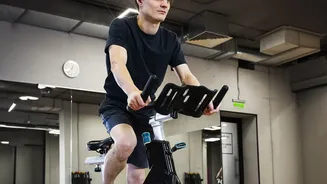
Like walking, cycling—whether on a stationary bike or outdoors—is a fantastic low-impact option. It's particularly beneficial because it allows you to maintain a steady heart rate for an extended period, which is the cornerstone of building endurance. Cycling strengthens the heart muscle, improves circulation, and enhances your body's ability to utilize oxygen efficiently. For desk workers who may experience back or knee pain from sitting, cycling is an excellent choice as it places minimal stress on the joints while still providing a robust cardiovascular workout. This makes it a sustainable practice you can stick with for years, gradually building stamina without the risk of overuse injuries common in higher-impact sports.
Building Your Cellular Batteries
So how exactly do these gentle activities build such profound stamina? The magic happens at a cellular level. LISS exercises like walking and cycling encourage the growth of mitochondria, which are the 'power plants' within your cells responsible for generating energy. More mitochondria mean your body becomes more efficient at converting fuel (like fats and carbohydrates) into usable energy. Regular, moderate exercise also improves your body's insulin sensitivity and helps regulate blood sugar, preventing the energy spikes and crashes that often come from a sedentary lifestyle and poor diet. It’s not about quick bursts of power; it's about systematically upgrading your body's entire energy production system.
Making It a Sustainable Habit
The superiority of walking and cycling for desk workers lies in their sustainability. You don't need to block out huge chunks of your day. Start with a 15-minute brisk walk during your lunch break. Consider a walking meeting instead of sitting in a conference room. If you opt for cycling, a 30-minute session on a stationary bike while listening to a podcast three times a week can make a massive difference. The goal is consistency, not intensity. By integrating these activities into your routine, you are building a foundation of fitness that supports not just your physical health, but also your mental performance and overall energy throughout the workday.