



The Karat System: A Measure of Purity
The term 'karat,' abbreviated as 'K', measures the purity of gold on a 24-part scale. Think of it as a purity rating. 24K gold is the purest form you can buy, containing 99.9% pure gold, meaning all 24 parts are gold. Conversely, 22K gold consists of 22 parts gold and
two parts of other metals like copper, silver, or zinc. This brings its purity to 91.6%, which is why you'll often see 22K gold marked with '916'. These alloy metals are not added to dilute the gold, but to change its properties significantly.
24K Gold: The Investment Standard
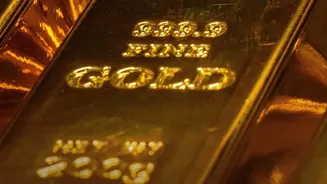
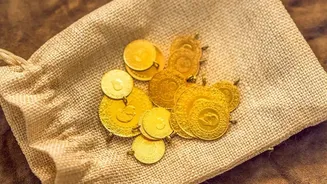
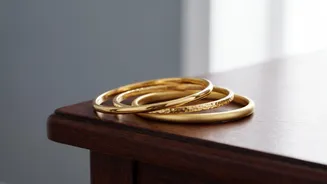
With its brilliant yellow lustre and 99.9% purity, 24K gold is the benchmark for investment. It's most commonly found in the form of gold bars, coins, and bullion. However, this purity comes at a cost to its practicality. 24K gold is extremely soft and malleable—so soft it can be compared to the hardness of a fingernail. This means it scratches, bends, and deforms easily, making it unsuitable for most jewellery, especially pieces intended for daily wear. Settings for stones would not be secure, and a ring could quickly lose its shape.
22K Gold: The Jeweller's Choice
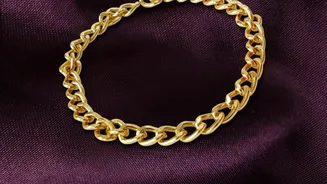
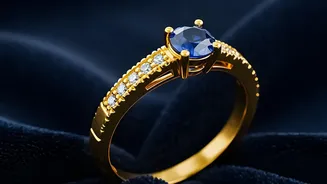
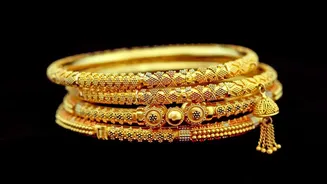
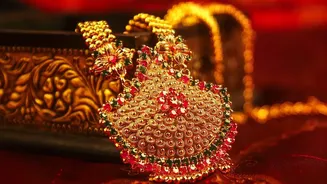
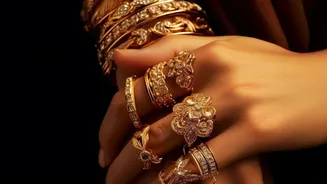
This is where 22K gold shines. By mixing 91.6% pure gold with 8.4% of other metals like copper and silver, jewellers create an alloy that is significantly more durable and resilient. This added strength makes it possible to craft intricate and delicate jewellery designs that can withstand the rigours of everyday wear. The alloy gives 22K gold the perfect balance of purity and workability, which is why it has long been the standard for traditional and bridal jewellery in India and other parts of the world.
Price, Making Charges, and Resale Value
Naturally, 24K gold has a higher price per gram due to its higher purity. However, the final price of a gold item, particularly jewellery, involves more than just the metal's weight. Jewellers add 'making charges,' which cover the cost of craftsmanship. These can be a percentage of the gold's value (ranging from 5% to over 25%) or a flat rate per gram. Intricate, handcrafted 22K jewellery often has higher making charges than simpler machine-made pieces. When it comes to resale, 24K gold bars and coins will fetch a price very close to the market rate for pure gold. For 22K jewellery, the buy-back value is calculated on its gold content (91.6%), and jewellers typically do not refund the making charges. Despite this, 22K gold retains excellent resale value due to its high purity and is considered a form of 'wearable wealth.'
The BIS Hallmark: Your Guarantee of Purity
Regardless of the karat, it is crucial to buy hallmarked gold in India. The Bureau of Indian Standards (BIS) provides a mandatory hallmarking certification that guarantees the purity of the metal. A BIS hallmark consists of the BIS logo, a purity grade (like 22K916), and a six-digit alphanumeric Hallmark Unique Identification (HUID) number. This mark assures you that you are getting the purity you paid for, protecting your investment from subpar or counterfeit gold.