


The Rise of Conscious Snacking
The healthy snacks market in India is experiencing a significant boom, projected to grow substantially over the next decade. This surge is driven by a growing class of health-conscious consumers who are scrutinizing labels and rejecting the preservatives,
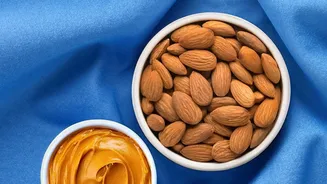
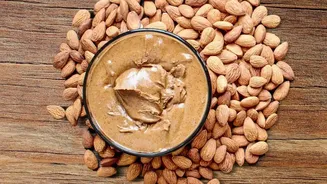
hydrogenated oils, and refined sugars found in mass-produced spreads. They are seeking out foods that are not just convenient but also nourishing. This shift has created the perfect environment for small-batch, artisanal brands to flourish by offering clean, nutrient-dense alternatives. Nuts and seeds are a leading segment in this growing market, making high-quality nut butters a popular choice for consumers looking for both flavour and function.
What Makes It 'Artisanal'?
The term 'artisanal' isn't just a marketing buzzword; it signifies a fundamentally different approach to food production. Unlike industrial methods that use high-speed metal blades, many artisanal producers use a traditional stone-grinding technique. This slow, low-heat process preserves the nutritional integrity of the nuts, protecting delicate vitamins, healthy fats, and antioxidants that can be damaged by high temperatures. The result is a butter with a richer, more authentic flavour and a superior texture. Furthermore, artisanal brands prioritise clean labels, often using just one or two ingredients—the nuts themselves and perhaps a touch of unrefined salt—creating a product that is as close to nature as possible.
A Fusion of Flavour and Wellness
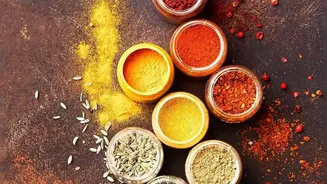
The true innovation lies in the fusion of these high-quality butters with the ancient wisdom of Indian spices. Brands are moving beyond plain almond and peanut butters to create exciting flavour profiles that resonate with the local palate. Imagine a creamy almond butter infused with Lakadong turmeric, a cashew butter brightened with cardamom and saffron, or a peanut butter given a kick with Byadagi chilli. These are not random pairings; they are deliberate choices that tap into India's rich culinary and medicinal heritage. Spices like turmeric are known for their anti-inflammatory properties, while ginger aids digestion, and cinnamon can help manage blood sugar. This combination turns a simple spread into a functional food powerhouse.
The Healthy Difference
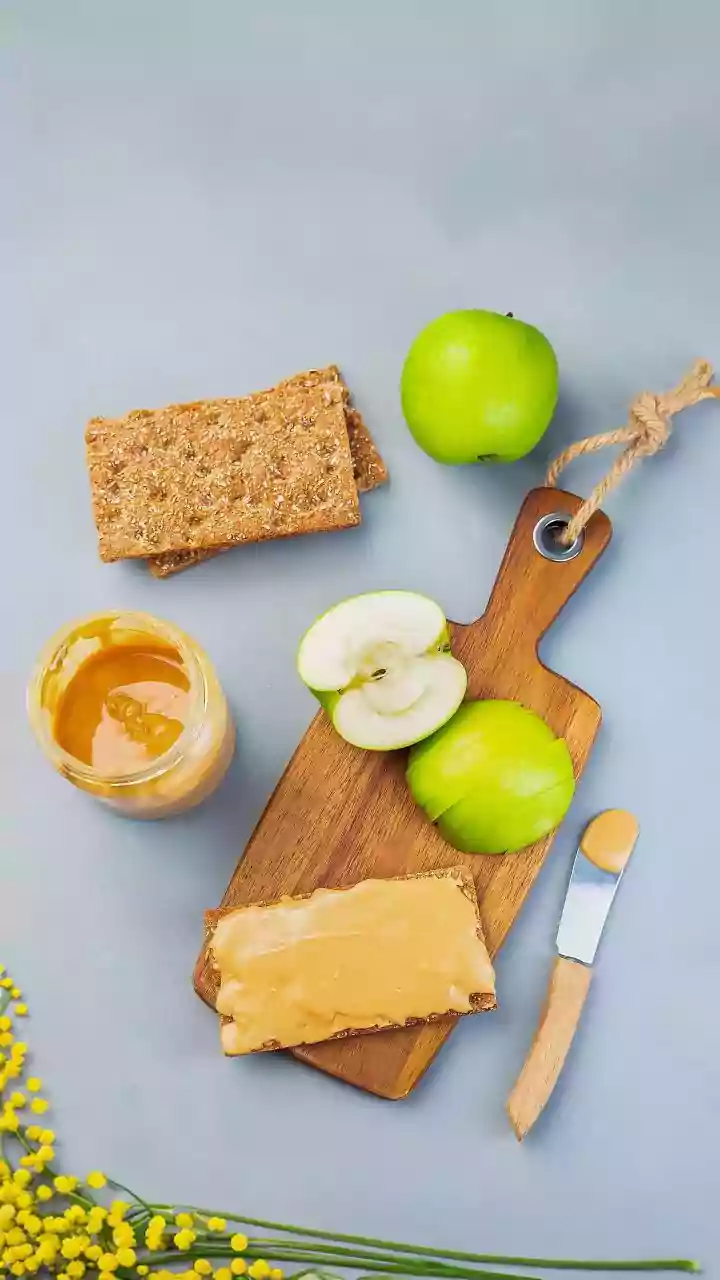
So, what makes these spiced nut butters genuinely healthy? It's a combination of factors. First, the base is nutrient-rich, providing plant-based protein, healthy monounsaturated fats, and essential minerals like magnesium. Second, the absence of added sugars and unhealthy fats prevents the blood sugar spikes and empty calories associated with conventional spreads. Finally, the spices themselves add a layer of wellness benefits. Curcumin from turmeric, gingerol from ginger, and cinnamaldehyde from cinnamon are powerful compounds with antioxidant and anti-inflammatory effects. This transforms the nut butter from a simple toast-topper into a component of a balanced, health-supportive diet, deeply rooted in Ayurvedic principles.
The Brands Behind the Trend
Several pioneering Indian brands are at the forefront of this movement. Companies like Native Tongue offer creative combinations such as Thandai Nut Butter and a Golden Almond Butter with turmeric and pepper. Others, like Nutty Yogi and Banter Kitchen, are crafting unique flavours like peri-peri cashew butter and coffee cinnamon almond butter, specifically designed for the Indian palate. These producers often source their spices from specific regions known for quality, like Lakadong turmeric from Meghalaya, ensuring potency and flavour. By focusing on quality ingredients and innovative, culturally relevant recipes, these brands are redefining what a healthy snack can be.