



The Richness of the North
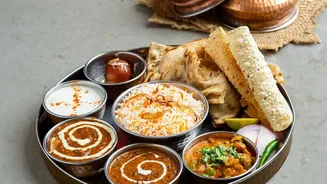
Northern Indian cuisine provides the hearty foundation for any grand feast. Known for its rich gravies, dairy-based dishes, and robust breads, this region offers comfort and indulgence. Start with a showstopper like Paneer Butter Masala or Shahi Paneer.
Another excellent choice is Rajma, a flavourful kidney bean curry that is a staple in many North Indian homes, often served with rice. To accompany these, include a classic Dal Makhani for its creamy texture and a platter of freshly made puris or soft garlic naan to scoop up every last bit of gravy. These dishes bring a sense of warmth and celebration to the table.
The Tangy Touch of the South
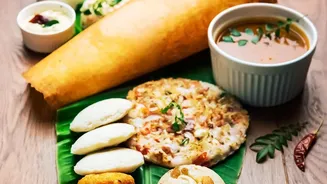
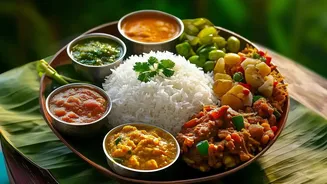
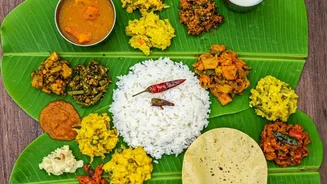
To cut through the richness of the Northern dishes, the South offers bright, tangy, and lighter preparations. A traditional sadhya, or feast, from Kerala showcases a multitude of vegetarian dishes served on a banana leaf, illustrating the region's love for variety. Incorporate a tangy Pulihora (tamarind rice) or a light lemon rice to offer a different grain option. A simple poriyal (dry vegetable stir-fry with coconut) or an Aviyal, a medley of vegetables in a coconut and yogurt sauce, adds texture and freshness. Finally, a thin, peppery rasam served as a soup or with rice cleanses the palate and aids digestion, providing a perfect counterpoint to heavier curries.
The Subtle Flavours of the East
Eastern Indian cuisine, particularly from Bengal and Odisha, is known for its subtle and unique flavour profiles, often featuring mustard oil, poppy seeds, and panch phoron (a five-spice blend). These dishes add a layer of complexity to your feast. Consider including Shukto, a Bengali mixed vegetable dish with a hint of bitterness that stimulates the appetite. Another great addition is Cholar Dal, a slightly sweet and fragrant chana dal cooked with coconut. For a simple vegetable side, an Aloo Posto (potatoes in a poppy seed paste) brings a nutty and earthy flavour that is distinct from other regions.
The Sweet and Savoury West
From Gujarat and Maharashtra, the West contributes a delightful interplay of sweet, sour, and spicy notes. Gujarati cuisine, in particular, is famous for adding a touch of jaggery or sugar to its savoury dishes. A Gujarati Kadhi, a sweet and spicy yogurt-based soup, is a wonderful addition that contrasts with the dals from other regions. During winter festivals, Undhiyu, a slow-cooked mixed vegetable casserole, is a celebrated dish. For a Maharashtrian touch, consider a Bharli Vangi (stuffed eggplants) or a simple Batata Bhaji (potato preparation) to round out your vegetable offerings. These dishes introduce an element of surprise for the palate.
Creating the Perfect Thali
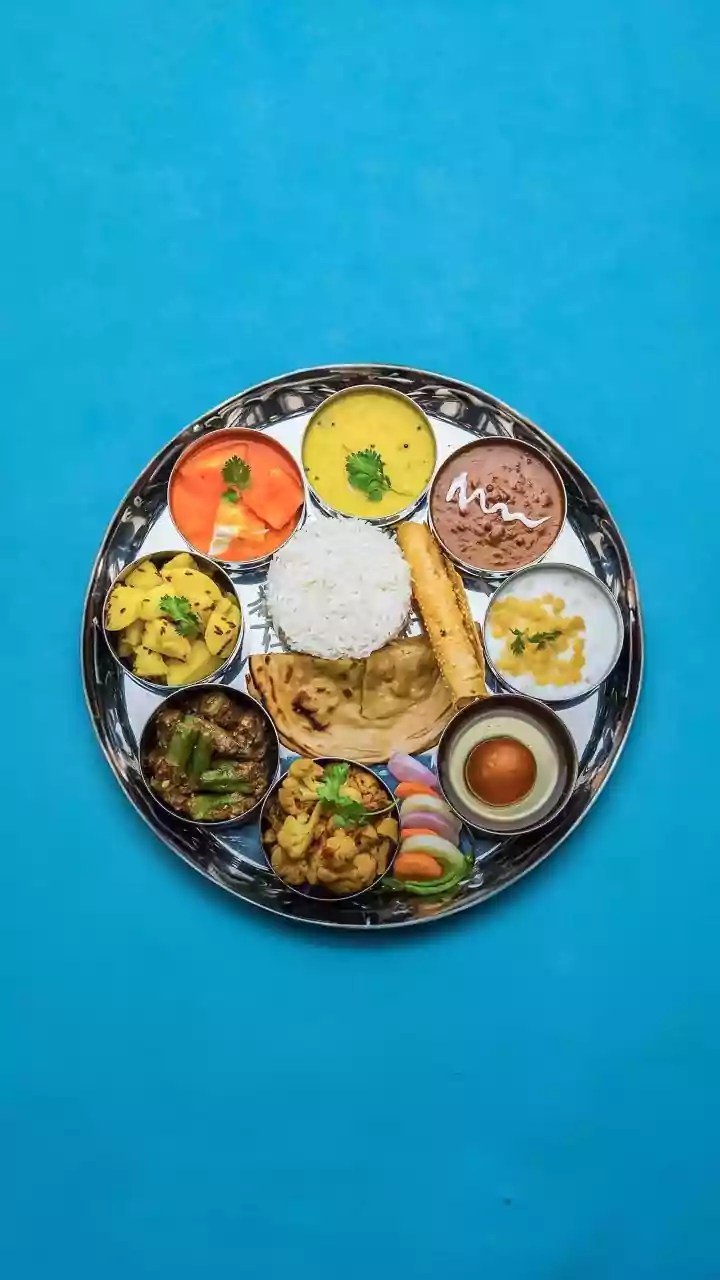
The art of integrating these regional specialties lies in balance. A well-composed thali, or platter, is a complete meal that considers flavour, texture, and even temperature. Aim for a variety: one rich gravy dish (North), one lighter lentil dish (East or South), one dry vegetable (poriyal from the South), and one semi-dry vegetable (West). Include plain steamed rice and one flavoured rice (like lemon or tamarind rice). Offer a bread, like roti or puri. Crucially, don't forget the accompaniments. A cooling raita (yogurt dip), a sharp pickle, and a crispy papad are not mere sides; they are essential for balancing the meal and enhancing the flavours of the main dishes.
A Sweet and Grand Finale
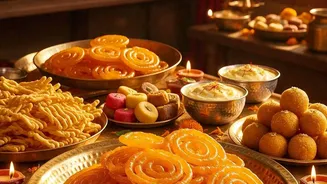
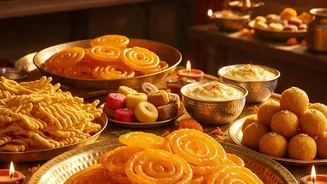
No festive feast is complete without dessert. Here, you can either choose a selection of smaller sweets or one standout dessert. A classic Gajar Ka Halwa (carrot pudding) from the North or a rich Kheer (rice pudding) are crowd-pleasers. From the South, a creamy Payasam offers a delightful finish. From the East, consider Rasgulla. If you want something that represents the West, a delicate Shrikhand (strained yogurt with sugar and cardamom) is an excellent choice. The key is to offer a sweet note that complements, rather than overwhelms, the diverse meal that preceded it.