

The Unseen Threat From Our Sun
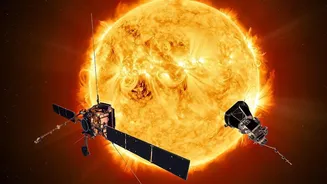
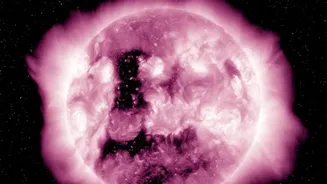
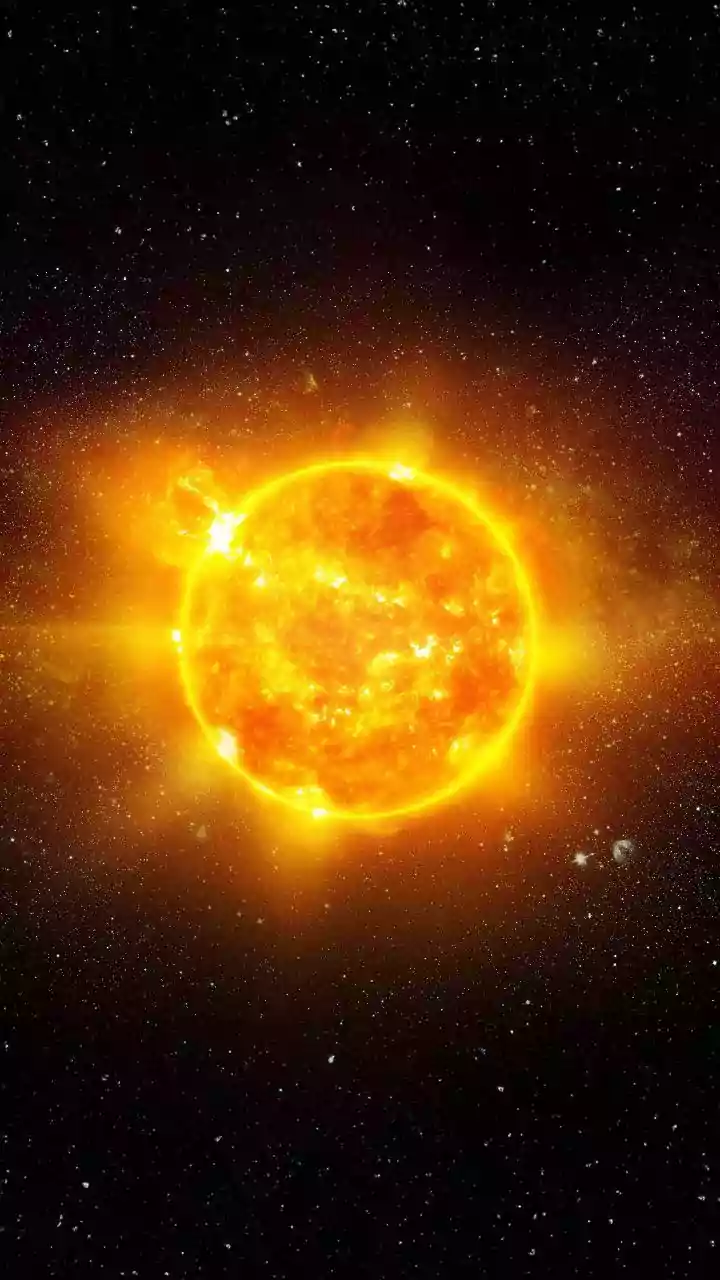
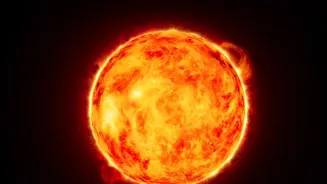
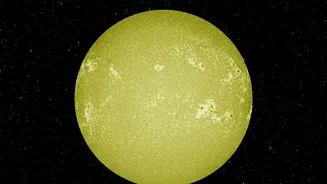
The Sun, our life-giving star, has a volatile side. It periodically ejects massive clouds of charged particles and magnetic fields into space. These events, known as coronal mass ejections (CMEs) or solar flares, are the primary drivers of what scientists
call space weather. While Earth's magnetic field, the magnetosphere, shields us from most of this onslaught, a particularly strong or well-aimed storm can compress this shield and wreak havoc on our technological infrastructure. These storms are not just distant cosmic curiosities; they have the potential to disrupt communications, knock out power grids, and critically, endanger the expensive and essential assets orbiting our planet. The economic stakes are enormous, with potential losses from a severe event estimated in the hundreds of billions of dollars.
Why Orbiting Assets Are Vulnerable
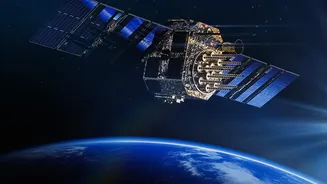
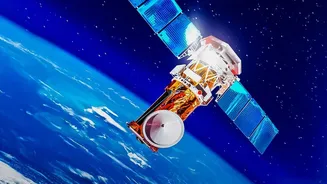
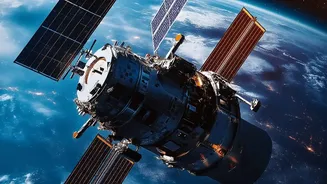
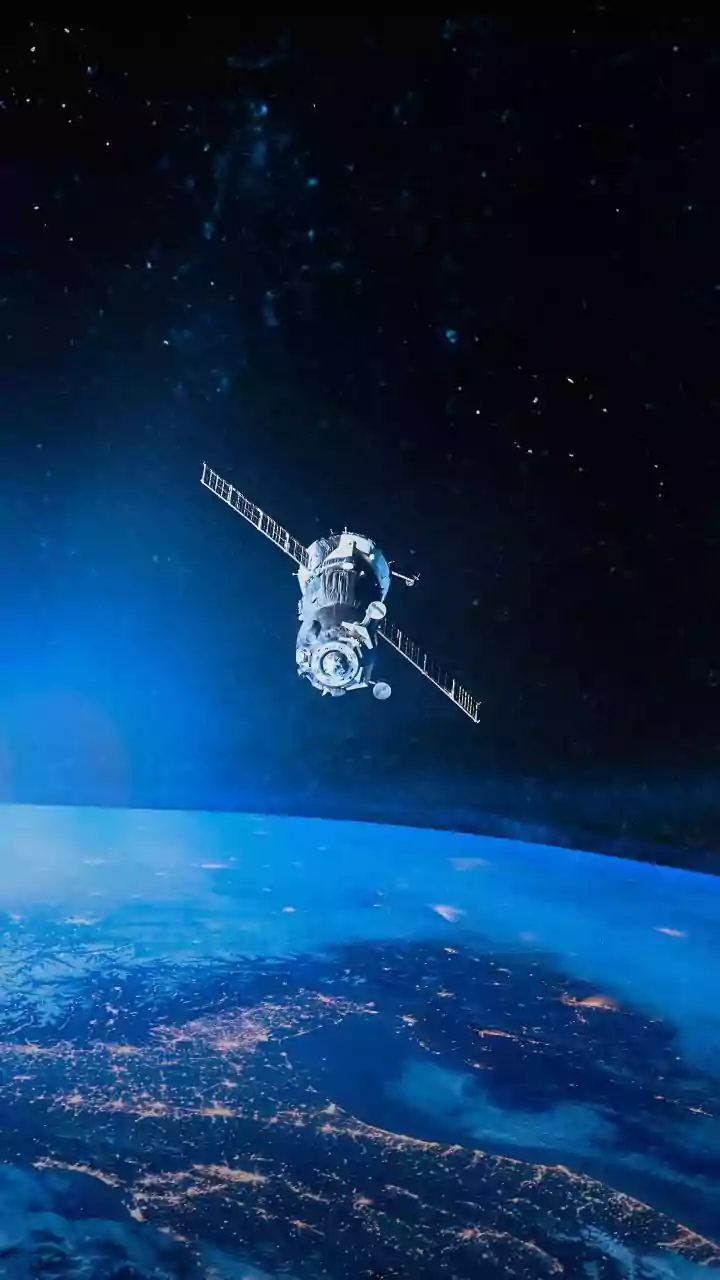
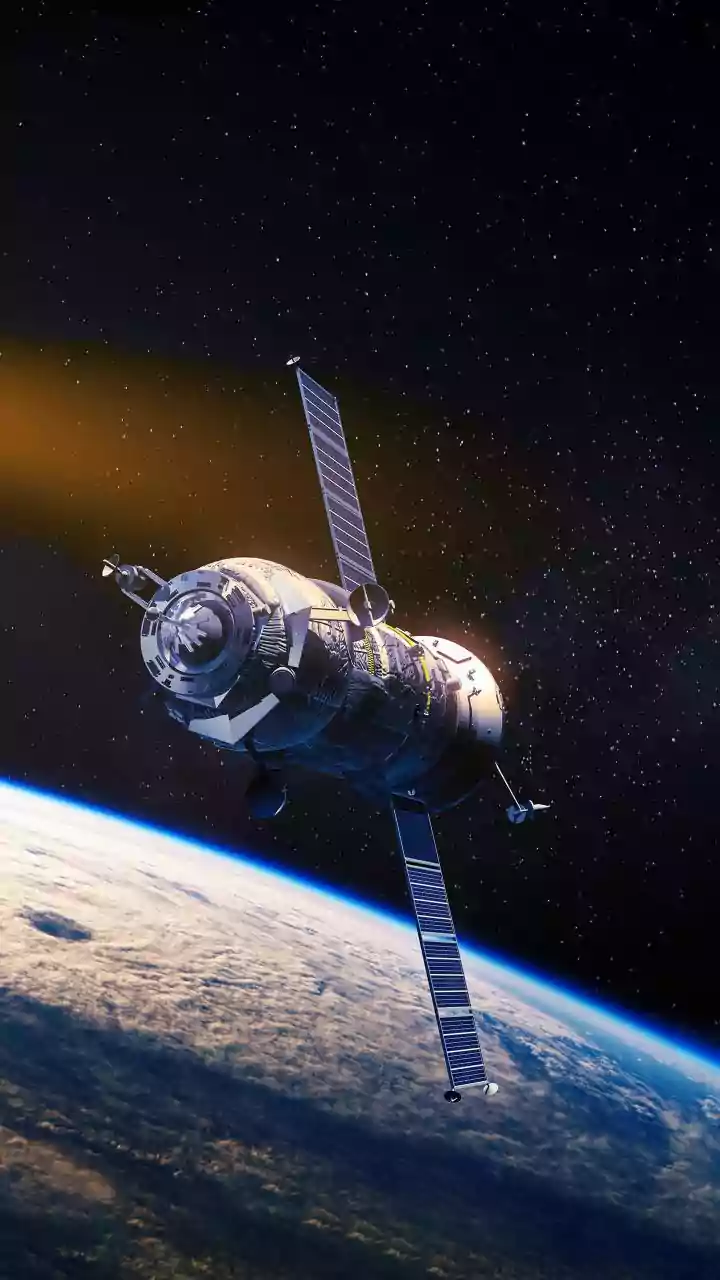
Satellites are particularly exposed to the fury of a solar storm. Unlike us on the ground, they operate beyond the full protection of Earth's atmosphere. The risks are threefold. First, intense radiation from solar energetic particles can damage or destroy sensitive electronics and degrade the solar panels that power the spacecraft. This can lead to phantom commands, where the satellite malfunctions, or complete failure. Second, a storm can heat and expand Earth's upper atmosphere. This increases the atmospheric drag on satellites in low-Earth orbit (LEO), causing them to lose altitude and potentially fall out of the sky prematurely if they can't boost themselves back up. Third, the charged particles disrupt communication signals, interfering with everything from GPS navigation—causing errors that can range from a few metres to a total loss of signal—to high-frequency radio used by aircraft and ships.
A Global Network of Solar Sentinels
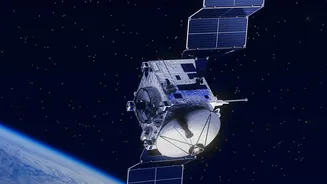
Protecting these vital assets requires knowing when a storm is coming. This is the job of a sophisticated, international network of space weather monitoring systems. Agencies like the U.S. National Oceanic and Atmospheric Administration (NOAA) operate a fleet of satellites, such as the GOES and SOLAR-1 observatories, that act as an early warning system. Many of these crucial sentinels are positioned at a special spot in space called Lagrange Point 1 (L1), about 1.5 million kilometres from Earth towards the Sun. This vantage point allows them to see a solar eruption as it happens and measure the speed and intensity of the incoming solar wind, giving forecasters on Earth critical time to issue alerts. The European Space Agency (ESA) and China's Meridian Project also contribute to this global effort, creating a web of ground-based and space-based instruments that track solar activity 24/7. This international cooperation is vital, as the threat is global.
India's Eye on the Sun: Aditya-L1
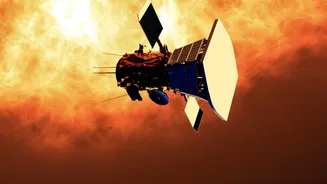
India has firmly established itself as a key player in this global defence network with its first dedicated solar observatory, Aditya-L1. Launched by ISRO, Aditya-L1 is also positioned at the L1 point, giving it an uninterrupted view of the Sun. Its suite of instruments allows it to track CMEs and measure the solar wind before it reaches Earth, providing an early warning of 30 to 60 minutes. This data is crucial for protecting India's own growing fleet of satellites, which are essential for everything from disaster management and crop insurance to digital payments and national security. Aditya-L1's observations have already provided breakthrough insights into solar storms, helping scientists understand how they interact with Earth's magnetic shield. This mission marks a significant shift for India, moving from being a user of space weather data to a key producer of critical solar forecasts.
From Advanced Warning to Action
An early warning is only useful if it triggers action. When NOAA's Space Weather Prediction Center or other agencies issue an alert, a well-rehearsed chain of events begins. Satellite operators can place their spacecraft into a protective 'safe mode', turning off sensitive electronics to prevent them from being fried by radiation. Airlines may reroute flights, particularly those on polar routes where the effects of space weather are strongest, to avoid communication blackouts and radiation exposure. Power grid operators can prepare their systems for the induced electrical currents that a geomagnetic storm can cause on the ground, preventing widespread blackouts. This ability to forecast and mitigate is what turns a potentially catastrophic natural hazard into a manageable operational challenge, safeguarding the technological backbone of our modern world.