




The Unfiltered Cinema of the Landscape
A flight gives you a view of the clouds from 35,000 feet, a beautiful but abstract painting of the world below. A car journey offers glimpses of the road, fragmented by the need to focus on traffic and speed. A train, however, presents the world as an unbroken,
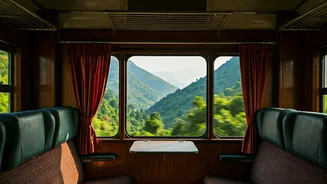
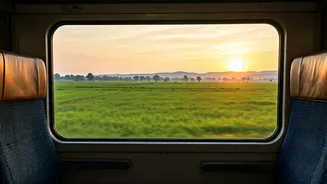
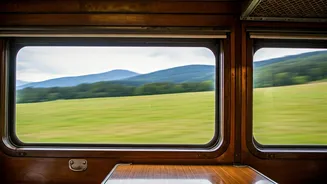
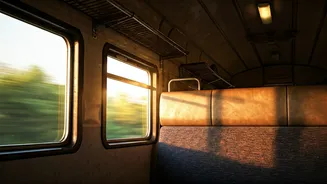
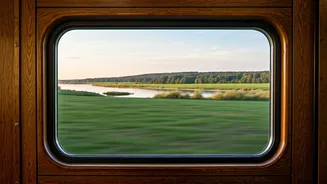
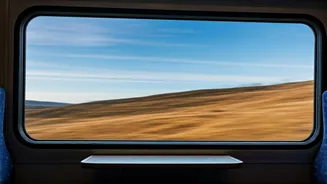
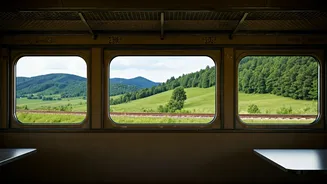
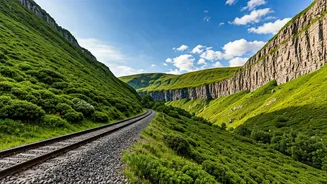
panoramic film. The view from a train window is a continuous, scrolling canvas of life. It’s the gradual transition from bustling cityscapes to sprawling suburbs, then to serene countryside, all unfolding at a pace that allows you to truly see. The rhythmic clatter of the wheels on the track becomes the journey’s soundtrack, creating a meditative state where the mind is free to wander as the landscape glides by. This steady momentum, powerful yet peaceful, is a unique paradox of rail travel, offering a sense of progress without the stress of personal control.
A Journey Through the Heart of India
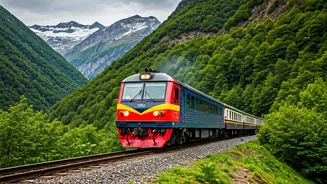
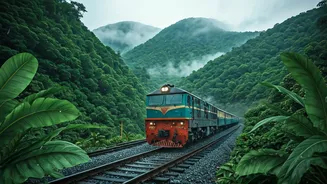
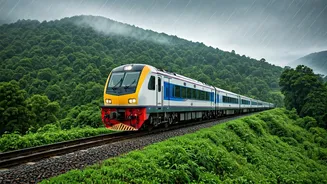
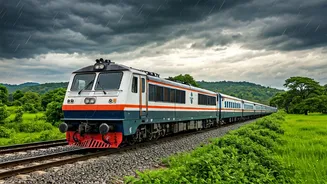
In India, train journeys are woven into the cultural fabric, and the views they offer are legendary. Imagine the Konkan Railway during the monsoon, a route that carves through the magnificent Sahyadri hills and runs parallel to the Arabian Sea. The window seat here frames a world of lush greenery, countless waterfalls cascading down cliffs, and mist-covered valleys. Consider the Darjeeling Himalayan Railway, the famous “Toy Train,” as it chugs through vibrant tea estates with the majestic Kanchenjunga in the distance. Or the breathtaking journey on the Kashmir Railway, which navigates over 150 bridges and through 20 tunnels to offer dramatic vistas of the snow-capped Pir Panjal mountains. Then there is the remarkable sea bridge connecting Mandapam to Rameswaram, where the train seems to float over the turquoise waters, offering an experience that is both thrilling and spiritual. These journeys aren’t just about reaching a destination; they are about witnessing the soul of the country. Indian Railways has even enhanced this experience on many routes with Vistadome coaches, which feature large glass windows and ceilings, designed specifically to bring passengers closer to these incredible views.
The Human Pace of Slow Travel
The superiority of the train window view lies in its connection to the concept of “slow travel.” This philosophy prioritises the journey over the destination, encouraging a deeper, more mindful connection with the places we pass through. Unlike the frantic rush of airports, train travel is inherently more relaxed. The speed is fast enough to feel like progress but slow enough to observe detail: a farmer tending his fields, children waving from a village, the architecture of a small town station. This pace fosters a connection not just to the landscape, but to the life within it. It allows for serendipitous moments of observation and reflection that are impossible when you’re rushing to a departure gate or navigating a highway. The journey becomes a restorative experience, reducing stress and allowing for genuine mental rest.
A Frame for Contemplation
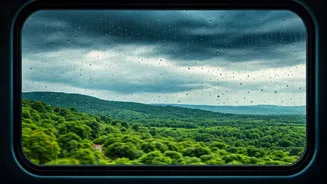
There's a reason why staring out of a train window often leads to deep thought and nostalgia. The rhythmic motion is known to have a calming, almost hypnotic effect, similar to being rocked as a child. This predictable movement creates a safe, meditative space where the mind can process thoughts, dream, and reflect. The window acts as a portal, not just to the outside world, but to our inner one. As the scenery shifts, it can trigger memories and emotions, providing a unique moment of introspection that our busy, hyper-connected lives rarely afford. It’s a moment of quiet contemplation where we are moving forward physically, yet still enough mentally to truly see and feel.