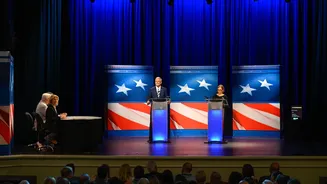




The 2026 US midterm elections are over, but the world is holding its breath. With Democrats taking control of both the House and Senate, what do the results really mean for America's foreign policy and Donald Trump's 'America First' agenda?
What the Midterm Results Confirm
The most significant
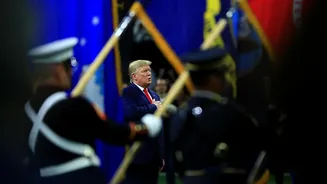
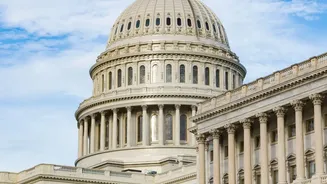
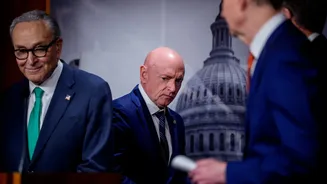
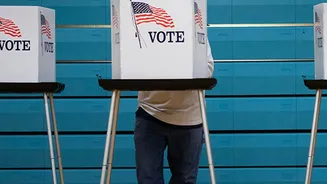
confirmed result of the November 3rd elections is that President Donald Trump will face a divided government for the remainder of his term. Democrats have secured majorities in both the House of Representatives and the Senate, a stunning rebuke of the president's party. This outcome was widely seen as a referendum on Trump's presidency, fueled by voter frustrations over the economy, the ongoing war with Iran, and the administration's tariff policies. While the president retains significant executive authority, especially in foreign affairs, he has lost the protective shield of a friendly Congress. This means any new legislation will require Democratic support, and his administration will face intense scrutiny through congressional oversight, hearings, and investigations.
Immediate Constraints on Presidential Power
With Democrats controlling the legislative agenda and the power of the purse, President Trump's ability to unilaterally direct foreign policy is now substantially checked. The new Congress has the authority to approve or block funding for military operations, shape sanctions, and hold up key appointments of ambassadors and cabinet officials. While the president can veto legislation, he will now have to negotiate with an opposition party. Analysts predict fierce battles over spending, especially concerning defense and foreign aid. Trump himself has acknowledged the new reality, reportedly telling an aide he would become 'Mr. Veto', signaling a period of potential gridlock.
Predicted Shifts on Ukraine and Russia
One of the most immediate and predictable shifts will involve US policy toward Ukraine. Support for Kyiv has strong bipartisan backing in Congress, a sentiment at odds with the Trump administration's suspension of direct aid. The new Democratic majority is expected to make restoring military and financial assistance to Ukraine a top priority. Lawmakers may even be able to muster a veto-proof majority to force the president's hand. This change provides a floor for US support, easing some of the deep uncertainty among European allies about America's commitment to countering Russian aggression. Furthermore, the administration's moves to ease sanctions on Russian energy exports will face significant pushback and new legislative hurdles.
The Future of 'America First' Trade Policy
While the election results introduce more oversight, they are unlikely to cause a complete reversal of Trump's 'America First' trade agenda, particularly concerning China. A tough stance on China has growing bipartisan support, meaning the overall direction of policy will likely continue. However, the methods and execution will change. The new Congress will heavily scrutinize the use of tariffs and their impact on American businesses and consumers. For countries like India, this may create more negotiating room and a move toward more predictable, though not necessarily less demanding, trade relations. A weakened Trump may even be more inclined to seek diplomatic wins, like a trade deal with India, to demonstrate his continued influence.
Uncertainty in the Indo-Pacific
For the Indo-Pacific region, the midterm results create a more complex geopolitical landscape. While a tougher line on China is a shared priority, a divided government in Washington could lead to conflicting signals. A politically weakened president might be more eager to secure deals with Beijing, yet simultaneously face pressure from Congress to be tough on human rights and security issues, including support for Taiwan. This dynamic introduces volatility for key partners like India, who rely on a stable US strategy for regional security. New Delhi will need to engage with both the White House and a more assertive Congress, navigating a wider range of political actors and interests to protect its own strategic goals.