





The Secret to Perfectly Soft Rotis
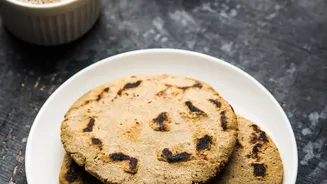
The biggest challenge with millet flours is often a dry or cracked roti. The game-changing hack is simple: use boiling water. Instead of kneading ragi or bajra flour with cold or lukewarm water, add the flour to a pot of boiling salted water. Turn off
the heat, stir quickly to combine, and then cover the pot for about five to ten minutes. This process, known as the 'Ukkarisida' method in Karnataka, essentially steams the flour, making the dough more pliable. Once it's cool enough to handle, knead it into a smooth, soft dough. Some chefs recommend adding a teaspoon of oil or ghee to the boiling water for extra softness. This technique ensures your ragi or bajra bhakris are soft, bendable, and stay that way for hours.
Instant Dosas without the Fermentation
Craving a crispy, savoury dosa but don't have fermented batter? Ragi and bajra flours are your answer for an instant version. For a quick ragi dosa, mix the flour with rice flour, semolina, curd, and water to form a thin batter. The trick to getting that classic crispiness is to let the batter rest for at least 30 minutes to an hour. For bajra dosa, you can make a thin, runny batter with flour and water, adding chopped onions, green chillies, and cilantro for flavour. Both batters benefit from a pinch of salt just before cooking. Pour the thin batter onto a very hot tawa from a height to create the signature net-like texture similar to a rava dosa.
Upgrade Your Morning Porridge
Millet porridge, or malt, is a comforting and nourishing start to the day. But it doesn't have to be bland. To make a sweet version, cook ragi flour with milk or water until it thickens, then sweeten it with jaggery, which complements the earthy flavour of the millet beautifully. Elevate it further by adding a pinch of cardamom powder, and top with chopped nuts and dried fruits for texture and richness. For a savoury twist popular in South India, cook the ragi flour with water and salt, then cool it down and mix in buttermilk (chaas), finely chopped onions, and cilantro for a refreshing and light meal.
Wholesome Baking Swaps
Yes, you can bake with ragi and bajra. Their nutty flavours lend themselves well to cakes, cookies, and muffins. Since they are gluten-free, they can't be swapped one-for-one with wheat flour. A good starting point is to substitute 25-30% of the regular flour in a recipe with millet flour. Ragi, in particular, works wonderfully in chocolate-based recipes like brownies and cakes, where its deep colour and flavour enhance the cocoa. Millet flours create a tender, slightly denser crumb. You may need an extra binding agent, like an egg or a tablespoon of curd, to ensure moisture and structure. Try making ragi banana bread or bajra cookies for a healthy, guilt-free treat.
Quick and Savoury Cheelas
For a fast and filling snack or breakfast, cheelas (savoury pancakes) are a perfect choice. Create a versatile batter by mixing bajra and ragi flours with some besan (gram flour) for better binding and flavour. To this, add curd, water, and your choice of finely chopped vegetables like onions, tomatoes, and capsicum, along with spices like ajwain (carom seeds), turmeric, and green chillies. The consistency should be pourable but not too thin. Let the batter rest for about 15-20 minutes before cooking on a hot griddle with a little oil or ghee. These cheelas are not only delicious but also packed with protein and fibre, keeping you full for longer.
Delicious Ladoos and Energy Bites
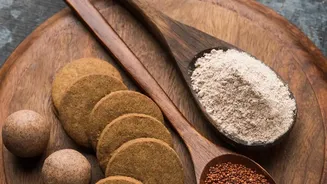
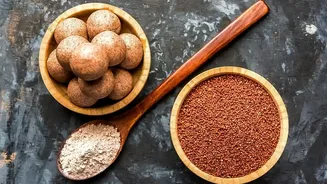
Millet flours are excellent for making healthy sweets. To make simple and nutritious ladoos, dry roast ragi or bajra flour in a pan on low heat until it releases a nutty aroma. Take it off the heat and mix in powdered jaggery, a generous spoonful of ghee, crushed nuts like peanuts or almonds, and a pinch of cardamom powder. While the mixture is still warm, shape it into small balls. These ladoos are a fantastic energy-boosting snack, perfect for kids' tiffins or as a post-meal sweet.