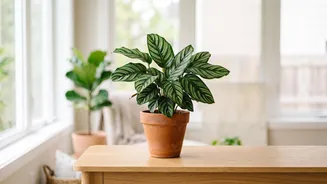



For every plant parent, the fear of overwatering is real. Root rot is a silent killer, often stemming from pots left sitting in soggy saucers. But there's a simple, effective fix that keeps your plant's feet dry and roots happy.
The Drainage Dilemma
Proper drainage is the
foundation of healthy container gardening. Every time you water your plants, any excess needs a clear path to escape. Without it, the soil at the bottom of the pot becomes a waterlogged zone where oxygen cannot penetrate. This suffocates the roots, leading to decay, fungal infections, and a sad, wilted plant, even when the soil feels moist. The most common culprit is a pot sitting flat in its saucer after watering. The drained water collects in the saucer, and if the pot’s drainage holes are submerged, the soil will act like a sponge, reabsorbing the stagnant water. This keeps the root zone consistently too wet, undoing all the benefits of having drainage holes in the first place.
The Solution: Simple Elevation
The secret to solving this problem is surprisingly simple: lift the pot. By creating a small gap between the bottom of the pot and the saucer it sits in, you ensure the drainage holes remain clear and above any collected water. This is where a shallow tray filled with clean pebbles comes in. The pebbles create a raised platform for your pot to rest on. When you water, excess moisture flows through the pot, out the drainage holes, and collects in the tray below the level of the pebbles. The pot's base stays elevated and dry, preventing the soil from wicking moisture back up and allowing air to circulate freely underneath. This one small adjustment is one of the most effective ways to improve your plant's drainage environment and prevent root rot.
A Common Myth Debunked
It’s crucial to distinguish this technique from a pervasive gardening myth: adding a layer of pebbles or gravel inside the bottom of the pot. For decades, many have believed this improves drainage, but horticultural science proves the opposite. Adding a coarse layer of gravel beneath fine potting soil creates something called a 'perched water table'. Water does not flow easily from a fine-textured material (soil) to a coarse-textured one (gravel). Instead, it pools in the soil directly above the gravel layer until it is completely saturated. This effectively raises the waterlogged zone, pushing it closer to your plant's roots and reducing the amount of healthy, aerated soil available to them. So, remember: pebbles belong in the tray underneath, not inside the pot.
Your Step-by-Step Guide
Implementing this technique is easy and takes just a few minutes. First, choose a waterproof tray or saucer that is wider than the base of your plant pot. Next, select your pebbles. These can be decorative river rocks, simple gravel, or horticultural clay pebbles. Wash them thoroughly with water to remove any dust or debris that could clog the tray or introduce pests. Spread a layer of the clean pebbles in the tray, deep enough so that your pot will sit securely on top without wobbling. Place your plant pot directly onto the bed of pebbles. After watering, the excess will drain into the tray, and the pebbles will keep the pot elevated above the waterline. As a bonus, the evaporating water will create a small pocket of humidity around your plant, which is especially beneficial for tropical varieties.
Choosing the Right Materials
You don’t need anything fancy to get started. Any shallow, waterproof tray will do, from a simple plastic plant saucer to a more decorative ceramic dish. The key is that it must be able to hold water without leaking. For the pebbles, look for stones that are relatively uniform in size to create a stable, level surface for your pot. You can find bags of polished river stones, pebbles, or expanded clay pellets at most garden centres and home goods stores. Using clean, inert materials ensures you aren't introducing unwanted bacteria or fungi into your plant's environment. Always empty and rinse the tray and pebbles every few weeks to prevent algae growth and keep the setup fresh and effective.