








A New Finding from Gujarat
A recent cross-sectional study has put a spotlight on a habit many of us don't think twice about: our eating speed. Researchers in Gujarat studied 465 adults and found a significant link between how fast people eat and their body composition. Specifically,
fast eaters showed significantly higher Body Mass Index (BMI) and, crucially, more visceral fat. Visceral fat is the dangerous type of fat that wraps around your internal organs and is linked to a host of metabolic diseases. The study, published in the journal Scientific Reports, suggests that fast eaters were more than twice as likely to have visceral fat levels above the danger threshold. This finding puts eating speed on the map as a potential standalone risk factor for obesity-related issues, independent of other lifestyle choices.
The Science of Slowing Down
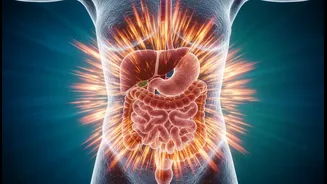
So, why does eating speed matter so much? The answer lies in the complex communication between your gut and your brain. It takes approximately 20 minutes for your stomach to send a signal to your brain that it is full. When you eat quickly, you can easily consume more food than your body actually needs before this satiety signal kicks in. This can lead not only to overeating in a single meal but also to a pattern of consuming excess calories over time, which contributes to weight gain. Slower eating allows this crucial feedback loop to function properly, giving you a chance to recognise when you are comfortably full rather than uncomfortably stuffed. Better digestion is another key benefit; the process begins in the mouth, and chewing food thoroughly gives enzymes in your saliva more time to start breaking down food, easing the burden on the rest of your digestive system.
More Than Just Weight
The Gujarat study specifically pointed to higher levels of visceral fat in fast eaters, which is a more telling indicator of health risks than BMI alone. While BMI is a simple measure of weight for height, body composition tells a more detailed story about the proportions of fat, muscle, and bone. Visceral fat is metabolically active and can release inflammatory substances that contribute to insulin resistance, raising the risk of type 2 diabetes and heart disease. Interestingly, the study found that fast eating was associated with higher visceral fat and BMI, but not necessarily a higher overall body fat percentage. This highlights that even individuals who might not appear significantly overweight could be carrying this hidden, dangerous fat if their eating habits are rushed.
Can Exercise Outrun a Fast Fork?
One of the most striking findings from the Gujarat research was the lack of association between eating habits and physical activity. This suggests that even if you are diligent about your workouts, the metabolic consequences of eating too quickly may not be easily offset by exercise. This doesn't mean exercise isn't critically important, but it does mean that a healthy lifestyle requires a holistic approach. You can't simply rely on burning calories at the gym to undo the effects of rushing through every meal. Health is built on a combination of factors, and the new research underscores that how we eat is a vital component that deserves as much attention as what we eat and how much we move.
Embracing Mindful Eating
The solution to fast eating is a practice known as mindful eating. This isn’t a diet but a change in awareness. Mindful eating encourages you to slow down, eliminate distractions like phones and television, and pay full attention to your food—its taste, texture, and aroma. Practical steps include setting your fork down between bites, chewing each mouthful thoroughly (the Gujarat study categorised slow eaters as taking more than 20 chews per bite), and pausing during your meal to assess your hunger and fullness levels. By turning eating into an intentional act instead of an automatic one, you not only improve digestion and portion control but also increase your enjoyment and appreciation of food.