



The Danger in Puddles and Stagnant Water
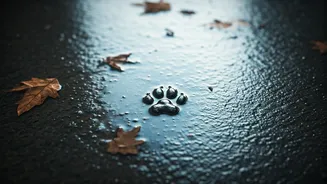
That inviting puddle on the street is a breeding ground for trouble. Stagnant water during the monsoon is often contaminated with bacteria, viruses, and parasites. The most significant threat is Leptospirosis, a severe bacterial infection spread through
the urine of infected animals, which mixes with floodwater. When your dog wades through or drinks this water, they are at high risk. Symptoms can range from fever and vomiting to kidney or liver failure. Always carry fresh drinking water for your pet on walks and firmly steer them away from puddles, no matter how much they want to splash around.
An Explosion of Ticks and Fleas
The high humidity and dampness of the monsoon create the perfect environment for ticks, fleas, and mites to thrive. These pests aren't just an itchy nuisance; they are carriers of dangerous diseases like Tick Fever (Ehrlichiosis and Babesiosis), which can be fatal if not treated promptly. Your pet’s regular anti-tick and flea treatment might not be enough during this peak season. Consult your veterinarian about a more robust prevention plan, which may include spot-on treatments, medicated shampoos, or oral medications. Additionally, thoroughly check your pet's coat and skin, especially around the ears, neck, and between their paws, after every single walk.
The Constant Threat of Skin Infections
A perpetually damp coat is a welcome mat for fungal and bacterial skin infections. The moisture trapped in your pet's fur, especially for long-haired breeds, can lead to painful rashes, hot spots (acute moist dermatitis), and fungal flare-ups. The key is to keep them as dry as possible. After any walk in the rain or a romp on wet grass, thoroughly towel-dry your pet. Pay special attention to their paws, armpits, and groin area. Using a hairdryer on a low, cool setting can be very effective for dogs with thick coats. A clean, dry environment at home is just as important.
Protecting Those Precious Paws
Your pet’s paws are in constant contact with wet, dirty surfaces during the monsoon. This prolonged exposure to moisture can soften the paw pads, making them prone to cuts and infections. The dampness between their toes is also a prime spot for fungal or bacterial growth, leading to a condition known as pododermatitis. Make it a non-negotiable rule to wash and dry your pet’s paws thoroughly after every trip outside. A simple wash with lukewarm water and a mild antiseptic solution, followed by careful drying, can prevent a world of pain and discomfort.
Managing Thunderstorm Anxiety
The loud clap of thunder and flashes of lightning can be terrifying for many pets, causing severe anxiety. Anxious pets may hide, tremble, pant excessively, or become destructive. To help them cope, create a safe, cosy den for them in a quiet part of the house, away from windows. Playing calming music or white noise can help mask the sound of the storm. Stay calm yourself, as pets are experts at picking up on their owner's stress. Comfort them with gentle pats but avoid excessive coddling, which can reinforce their fear. In severe cases, anxiety wraps or supplements recommended by your vet can provide relief.
Rethinking Diet and Hydration
With outdoor activity often reduced during the monsoon, your pet’s energy needs may decrease. To prevent unnecessary weight gain, you might need to slightly adjust their food portion. More importantly, focus on their digestion. The damp weather can sometimes lead to stomach upsets. Adding a probiotic supplement to their diet can support gut health. Ensure they have constant access to fresh, clean drinking water inside the house. Do not let them drink from any outdoor source. A fibre-rich diet can also help keep their digestive system running smoothly during this sluggish season.