








The Age of Burnout
For many millennials, born between 1981 and 1996, life has felt like a relentless grind. This generation entered a workforce defined by economic uncertainty, student debt, and the pressure to be “always on.” The result is a widespread phenomenon known
as millennial burnout: a state of chronic physical and emotional exhaustion. It’s more than just feeling tired; it's a sense of depletion, detachment, and a loss of motivation often tied to unmanageable workplace stress. The digital culture that millennials grew up with has blurred the lines between work and personal life, creating a constant state of mental strain. In response, many are realizing that a typical, action-packed vacation won't cut it. They don't need more stimulation; they need a genuine reset.
Enter Sleep Tourism
Sleep tourism is a travel trend where rest and rejuvenation are the main attractions. Unlike a traditional trip filled with sightseeing and late nights, the purpose of a sleep vacation is to actively improve your sleep quality. This growing sector of the wellness industry, expected to be worth hundreds of billions of dollars, is a direct answer to our increasingly stressful lives. Hotels and resorts are now offering everything from pillow menus and blackout curtains to high-tech AI-powered beds and consultations with sleep coaches. The goal isn't just to catch up on sleep but to develop better sleep habits in an environment designed for total tranquility. For the burned-out millennial, it’s the ultimate antidote to a life of overstimulation.
The Appeal of the Mountains
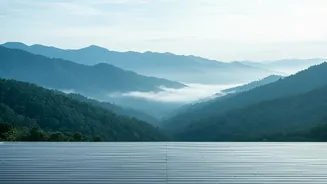
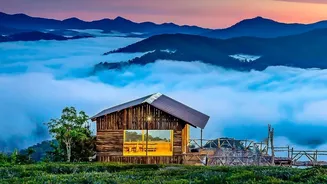
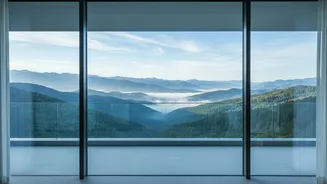
The headline's reference to "hill stations" points to a specific type of destination that is central to this trend: quiet, nature-focused retreats, often in the mountains. Places like the Berkshires in Massachusetts and the foothills of the Great Smoky Mountains are becoming hubs for wellness and burnout recovery. These locations offer a powerful combination of benefits: clean air, natural quiet, and a tangible sense of being removed from the daily grind. The very act of being in a serene, natural setting can help lower cortisol levels and reduce stress. Retreats in these areas often combine sleep-focused amenities with activities like hiking, meditation, and yoga, allowing guests to disconnect from technology and reconnect with themselves.
Not a Vacation, But a Recovery
What makes these trips different is the mindset. Millennials aren't just looking for a fun getaway; they're seeking genuine recovery. Many of these retreats are structured to be restorative rather than purely recreational. They offer a chance to step away from the relentless pace of modern life and focus on foundational well-being. This might mean a digital detox, a structured program with wellness experts, or simply the permission to do nothing at all. It's a shift from performative travel, often driven by social media, to personal, restorative experiences. For a generation that feels perpetually on the verge of exhaustion, the new luxury isn't a five-star hotel—it's eight hours of uninterrupted sleep in a place where no one expects anything from you.