





Step 1: Start with a Clean Canvas
Before anything else, your skin must be clean. Cleansing removes overnight oil buildup, dirt, and any lingering product that could interfere with how your makeup applies and adheres. A gentle cleanser that doesn’t strip your skin of its natural moisture
is ideal. Think of this as creating a fresh, balanced base. If your skin is not properly cleansed, your foundation is more likely to break down or apply unevenly during the day. For those who wear heavy or waterproof makeup, a double-cleanse method using an oil-based cleanser followed by a water-based one ensures your pores are completely clear.
Step 2: Gently Exfoliate for Smoothness
For makeup to glide on seamlessly, the surface of your skin needs to be smooth. Exfoliation is the step that gets you there by sloughing away dead skin cells that cause dullness, flakiness, and a rough texture. When you remove this layer, you create a more uniform surface for foundation to stick to, which prevents patchiness and enhances longevity. You don’t need to do this every day; exfoliating two to three times a week is generally sufficient to maintain a smooth canvas without causing irritation. You can use a gentle physical scrub or a chemical exfoliant with ingredients like glycolic or lactic acid.
Step 3: Hydrate and Plump the Skin
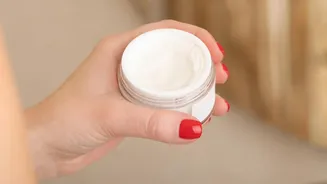
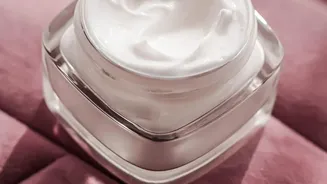
Hydration is the secret to that coveted 'lit-from-within' glow. When your skin is dehydrated, it can try to absorb the water from your foundation, leading to a cakey look and causing the makeup to disappear faster. After cleansing, apply a hydrating toner to balance your skin's pH and then press in a serum. A serum containing hyaluronic acid is excellent for plumping the skin and smoothing fine lines, creating a supple base for makeup. Follow this with a moisturiser suitable for your skin type to lock everything in. Even oily skin needs moisture; opt for a lightweight gel formula.
Don't Forget Sunscreen
Sunscreen is a non-negotiable final step in your morning skincare routine, even if your makeup contains SPF. A dedicated, broad-spectrum sunscreen protects your skin from harmful UV rays and helps prevent premature aging. It also serves as another layer that can help create a smooth base for your makeup. Choose a lightweight, non-greasy formula and allow it to fully absorb for a few minutes before moving on to the next step. This waiting period is crucial to prevent your makeup from pilling or sliding around.
Step 5: Prime for Perfection
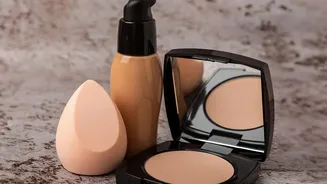
Primer is the bridge between your skincare and your makeup. Its main purpose is to create a smooth, even surface by filling in fine lines and blurring the appearance of pores. This helps your foundation apply more evenly and, most importantly, gives it something to grip onto, significantly extending its wear time. There are many types of primers tailored to specific needs: hydrating primers for dry skin, mattifying primers for oily skin, and 'gripping' primers that create a tacky base for makeup to adhere to. Apply a small amount, focusing on areas where makeup tends to fade first, like the T-zone.