



Why Less is More
Across India, from bustling city balconies to sprawling suburban lawns, a quiet revolution is taking root. It’s called low-water gardening, or xeriscaping, and it’s a response to a growing reality: water is a precious resource. With many Indian cities
facing groundwater depletion and unpredictable monsoons, gardeners are rethinking the traditional, thirsty lawn-and-flowerbed model. This approach isn’t about creating a barren, rocky landscape. Instead, it’s a smart design philosophy focused on selecting plants that are naturally suited to a region's climate, grouping them according to their water needs, and using techniques that conserve every drop. It’s about creating a garden that works with nature, not against it, resulting in a landscape that is both resilient and beautiful.
The Benefits Beyond the Bill
The most obvious advantage of a low-water garden is a reduced water bill, with potential savings of up to 80 percent. But the perks extend far beyond the financial. A garden filled with well-adapted, native plants requires significantly less maintenance. You’ll spend less time weeding, fertilising, and mowing, and more time enjoying your space. By eliminating the need for chemical fertilisers and pesticides, these gardens are healthier for your family and the environment. Furthermore, planting native species provides essential food and habitat for local wildlife, including birds, bees, and butterflies, helping to restore biodiversity in our urban and suburban areas. A thoughtfully designed water-wise garden can even increase property value, as it represents a sustainable, low-cost, and attractive feature for future buyers.
Choosing Your Water-Wise Champions
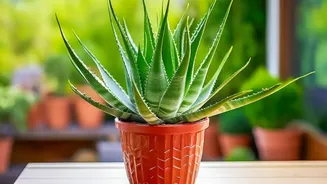
The key to a successful low-water garden is choosing the right plants. Fortunately, India is home to a vast array of beautiful and hardy species that thrive in dry conditions. For vibrant colour, Bougainvillea, Lantana, and Zinnia are excellent choices that explode with blooms with very little water. Succulents like Aloe Vera and Agave offer striking architectural forms and require minimal care. Don't forget flowering shrubs like Ixora (Rukmini) and Plumbago (Chitrak), which provide year-round interest. For ground cover, Portulaca (Moss Rose) is a fantastic option that creates a carpet of colour. Even trees can be drought-tolerant; native species like Neem and Banyan provide valuable shade and survive dry spells once established. Grouping plants with similar water and sun needs is a core principle that makes watering far more efficient.
Smarter Design, Lasting Results
A beautiful low-water garden is built on a foundation of smart techniques. First, amend your soil with organic matter like compost or cocopeat; healthy soil holds moisture longer. Next, apply a thick layer of mulch—such as wood chips, pebbles, or even dry leaves—around your plants. This simple step is a game-changer: it dramatically reduces water evaporation from the soil, keeps roots cool, and suppresses weed growth. When you do water, do it wisely. Water deeply but less frequently, ideally in the early morning or evening to minimise evaporation. This encourages plants to develop deep, strong root systems that are more resilient during dry spells. For maximum efficiency, consider installing a drip irrigation system, which delivers water directly to the plant's roots with minimal waste.
Making a Gentle Transition
Transforming your garden doesn't have to be an overwhelming weekend project. The best approach is to start small. Choose one section of your garden—perhaps a sunny, hard-to-water patch or a collection of balcony pots—and make that your pilot project. Replace a few thirsty plants with drought-tolerant alternatives like Snake Plant or Sadabahar (Vinca). As you see these new plants flourish with minimal fuss, you’ll gain the confidence to expand your water-wise oasis. Experiment with different types of mulch to see what you like best. The goal is a gradual evolution, not a sudden overhaul. Each small change contributes to a larger impact on your water consumption and the overall health of your garden, making the process both manageable and rewarding.