
The Sun’s Unpredictable Temper
Our sun is not always the calm, steady presence it appears to be. It is an active star that periodically erupts, blasting enormous amounts of energy and matter into space. The two main types of solar tantrums are solar flares and coronal mass ejections
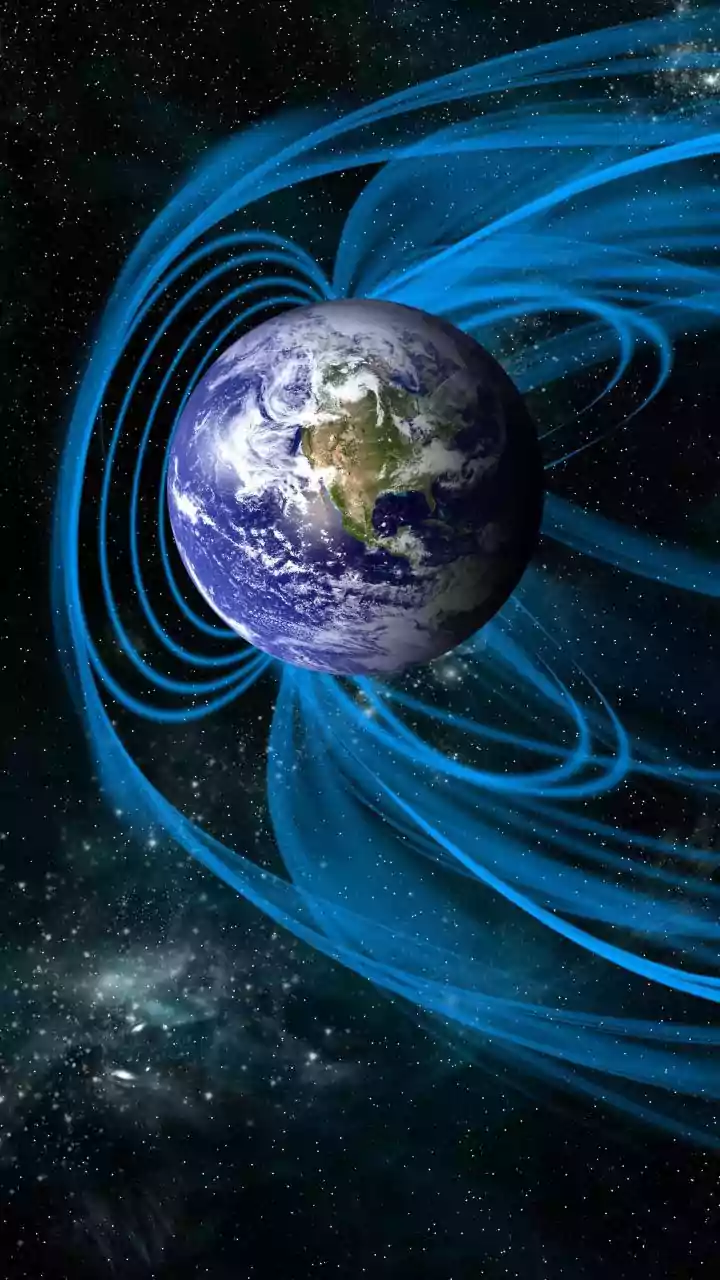
(CMEs). A solar flare is an intense burst of radiation, while a CME is a massive cloud of magnetised plasma and radiation hurled from the sun’s surface. When Earth is in the path of these events, it can trigger a geomagnetic storm, a major disturbance of our planet's magnetic field and upper atmosphere. These storms are the source of the beautiful aurora, but they also pose a significant danger to our technology.
Why Satellites are So Vulnerable
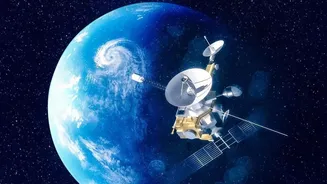
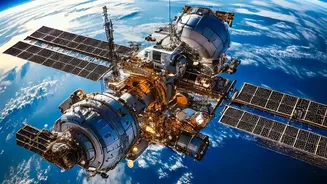
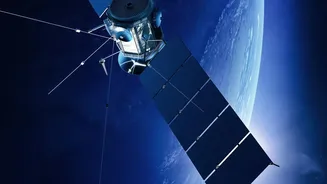
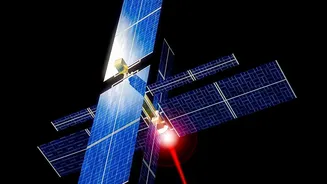
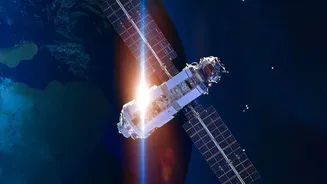
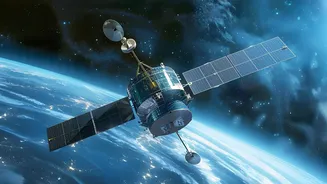
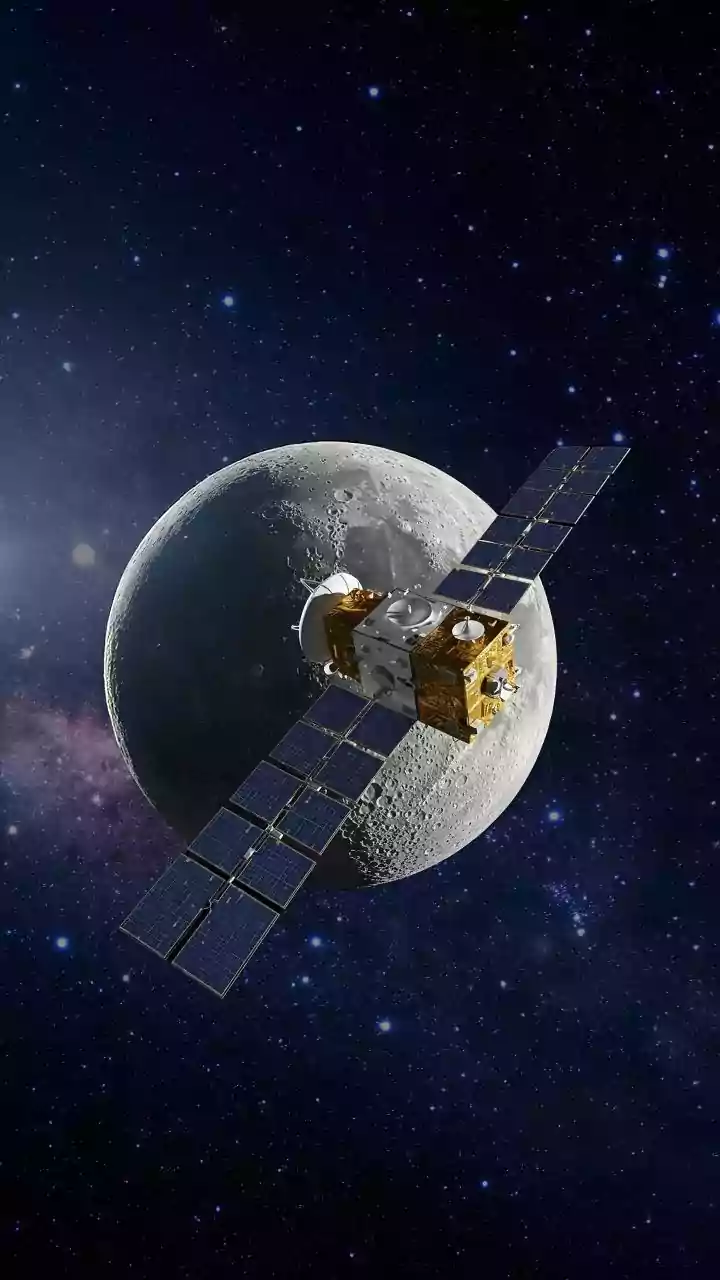
Satellites, particularly those in high geosynchronous orbits where many communication satellites operate, are highly exposed to space weather. When a solar storm hits, several things can happen. The rush of high-energy particles can fry sensitive electronics, causing malfunctions or permanent damage. The Earth's atmosphere can heat up and expand, increasing the atmospheric drag on satellites in low-Earth orbit. This added friction slows them down, causing their orbits to decay and potentially leading to premature re-entry and burn-up. Furthermore, the storm can disrupt the ionosphere, a layer of the atmosphere crucial for bouncing radio signals. This can cause GPS signals to become inaccurate or lost entirely and can lead to blackouts in high-frequency radio communications.
The High Stakes of a Digital Blackout
The consequences of widespread satellite failure would be immense. In India, as elsewhere, our economy is deeply intertwined with space-based technology. A severe space weather event could disrupt everything from aviation and shipping navigation to financial systems that rely on precise timing from GPS satellites. It could cripple television broadcasts, mobile phone networks, and internet services. Power grids are also at risk; intense geomagnetic storms can induce currents in long transmission lines, potentially damaging transformers and causing cascading blackouts that could take months or even years to fully repair. The economic losses from such an event are estimated to be in the hundreds of billions, if not trillions, of dollars.
The Challenge of Predicting Solar Storms
The core problem is that predicting exactly when the sun will erupt and how intense the resulting storm will be is incredibly difficult. For years, scientists believed there was an upper limit to how much Earth's magnetic field would respond to a solar storm. However, very recent research published in July 2026 suggests this may be a statistical illusion. The findings indicate that the most severe storms could have impacts nearly twice as large as previously thought, making the need for accurate forecasting more urgent than ever. Current methods often have delays and are not always accurate enough for real-time risk assessment.
New Frontiers in Solar Forecasting
This is where new research comes in. Scientists are exploring several avenues to create more reliable and timely space weather forecasts. One of the most promising areas is the use of artificial intelligence and deep learning models. By training AI on vast amounts of solar observation data, researchers are developing systems that can better identify the precursors to a major solar flare or CME. Other initiatives focus on creating more sophisticated models of the sun's magnetic fields and how they interact with the solar wind. Programmes like NASA's Living With a Star (LWS) are dedicated to understanding the Sun-Earth system to improve these predictive capabilities. The goal is to provide satellite operators with enough warning—hours or even days—to take protective measures. This could involve temporarily shutting down non-essential systems or reorienting a satellite to shield its most sensitive components.