


More Than Just Saving Time
The most obvious benefit of batch cooking is reclaiming your evenings. Instead of spending an hour every night chopping and sautéing, you can have a hot, home-cooked meal ready in minutes. But the advantages go far beyond convenience. When you control
the ingredients, you inevitably eat healthier, avoiding the excess oil, sugar, and sodium common in takeaway food. Perhaps most importantly, it’s a game-changer for your wallet. A week’s worth of planned groceries almost always costs less than three or four nights of ordering in. This simple Sunday ritual reduces weekday stress, eliminates the daily 'what's for dinner?' debate, and frees up mental energy for what really matters: your studies.
Your Game Plan: Start Small
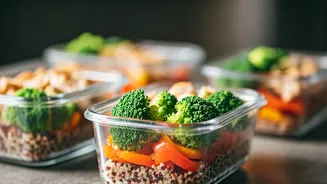
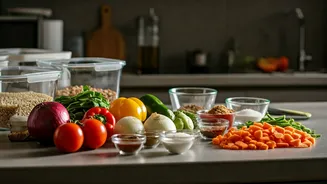
The idea of cooking for an entire week can feel overwhelming, so don't try to do it all at once. The key is to start small. Aim to prepare just two or three different dishes your first time. A good strategy is 'component cooking'. Instead of making five complete, distinct meals, cook versatile building blocks. For example, on a Sunday afternoon, you could boil a large batch of rice or quinoa, make a foundational dal or rajma, and roast a big tray of mixed vegetables like carrots, bell peppers, and broccoli. You could also prepare a simple chicken or paneer tikka masala base. During the week, you can mix and match these components to create different combinations, preventing flavour fatigue.
The Smart Shopping List
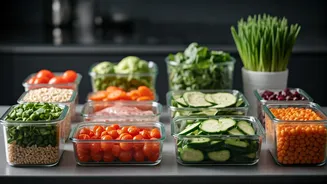
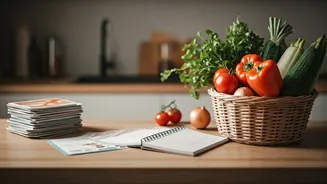
A successful batch cooking session begins at the grocery store. Going in with a plan prevents impulse buys and ensures you have everything you need. Your list should focus on versatility and longevity. For proteins, think lentils (dal), chickpeas (chhole), kidney beans (rajma), chicken, or paneer—all of which hold up well in the fridge or freezer. For carbohydrates, stick to rice and wholewheat rotis that you can buy or make ahead. When it comes to vegetables, choose sturdy options like onions, potatoes, cauliflower, carrots, and capsicum. Finally, stock up on your flavour foundation: ginger, garlic, onions, tomatoes, and essential spices like turmeric, cumin, and coriander powder. These form the base of countless Indian dishes.
Foolproof Recipes for Beginners
You don't need to be a gourmet chef to batch cook effectively. Stick to simple, hearty dishes that taste even better the next day. A large pot of dal tadka or dal makhani is a perfect starting point. It's nutritious, inexpensive, and freezes beautifully. Another great option is a versatile curry base; cook down a large batch of onion-tomato masala, and you can quickly turn it into a chicken curry, paneer butter masala, or mixed vegetable sabzi during the week by simply adding your main ingredient. Rajma or chhole are also fantastic choices, as their flavours deepen over time. For a non-curry option, consider making a filling for sandwiches or wraps, like a spiced potato mixture or shredded chicken, which can be used for quick lunches.
Storage is Everything
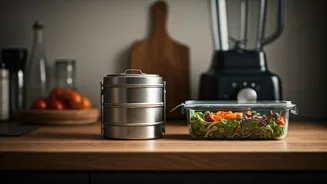
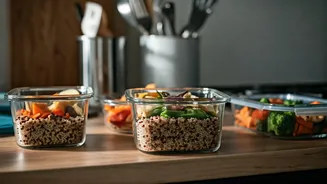
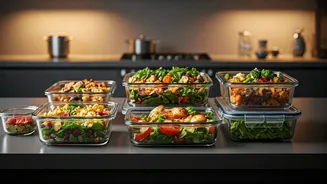
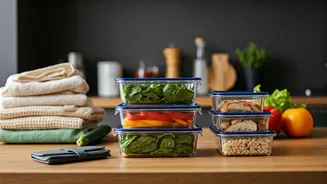
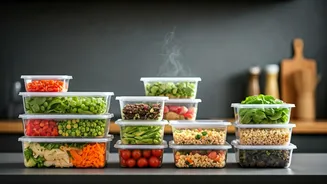
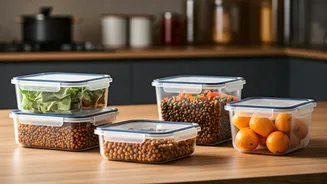
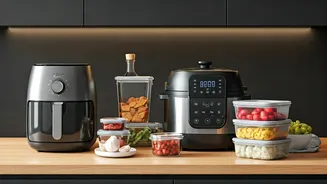
Your hard work in the kitchen can go to waste without proper storage. Invest in a good set of airtight containers in various sizes. Glass containers are great as they can often go from the fridge to the microwave. As soon as your food has cooled down, portion it out into individual meal-sized containers. This prevents you from having to reheat a giant batch every time. Label each container with the name of the dish and the date it was cooked. This helps you keep track of what you have and ensures you eat older items first. For meals you won't eat within 3-4 days, the freezer is your best friend. Most curries, dals, and even cooked rice freeze very well.