


Looking to cut down on sugar but dreading bland food? You're not alone. The good news is that two common pantry spices, cinnamon and vanilla, can be powerful allies in adding rich flavour and a sense of sweetness without any refined sugar.
The Trouble with Too Much Sugar
It's no secret
that excessive consumption of refined white sugar is linked to a variety of health concerns. High-sugar diets can contribute to weight gain, blood sugar problems, and an increased risk for conditions like type 2 diabetes and heart disease. Sugar offers 'empty calories', meaning it provides energy without significant nutritional value, and can lead to unwanted fat storage and inflammation. Many people are actively seeking ways to reduce their sugar intake for better overall health, but the challenge often lies in maintaining the enjoyable flavours we've come to expect from our food.
Cinnamon: The Warming, Sweet-Sensing Spice
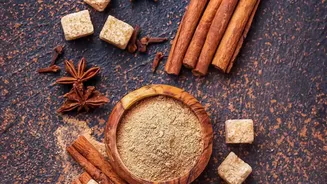
Cinnamon's magic lies in its ability to trick our brains. While not a sweetener itself, its warm, aromatic profile can enhance our perception of sweetness in foods and drinks. This makes it an excellent tool for cutting back on sugar in your morning coffee, oatmeal, or yoghurt. Beyond its flavour, cinnamon offers impressive health credentials. Studies have shown that compounds in cinnamon can help regulate blood sugar levels, partly by improving the body's response to insulin. It's also packed with antioxidants, which help combat cellular damage, and has anti-inflammatory properties. The compound cinnamaldehyde, which gives cinnamon its distinct aroma, is thought to be responsible for many of these benefits.
Vanilla: Aromatic, Creamy, and Deceptively Sweet
Like cinnamon, vanilla can boost our perception of sweetness, allowing for less sugar to be used in recipes without a noticeable loss of flavour. Its creamy, rich fragrance adds a depth and satisfaction that often compensates for reduced sugar content, particularly in baked goods and desserts. The main component in vanilla, vanillin, is a powerful antioxidant that has been studied for its anti-inflammatory and neuroprotective properties. While the small amounts used in cooking may not provide a major health intervention, the aroma alone has been linked to calming effects and mood improvement. Using vanilla is a simple way to add complex flavour while reducing your reliance on added sugars.
How to Use Cinnamon to Reduce Sugar
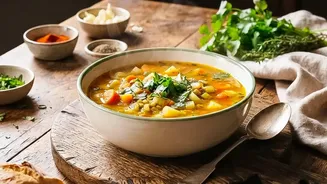
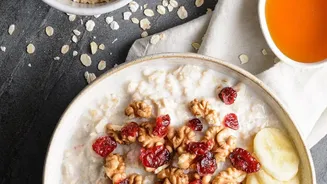
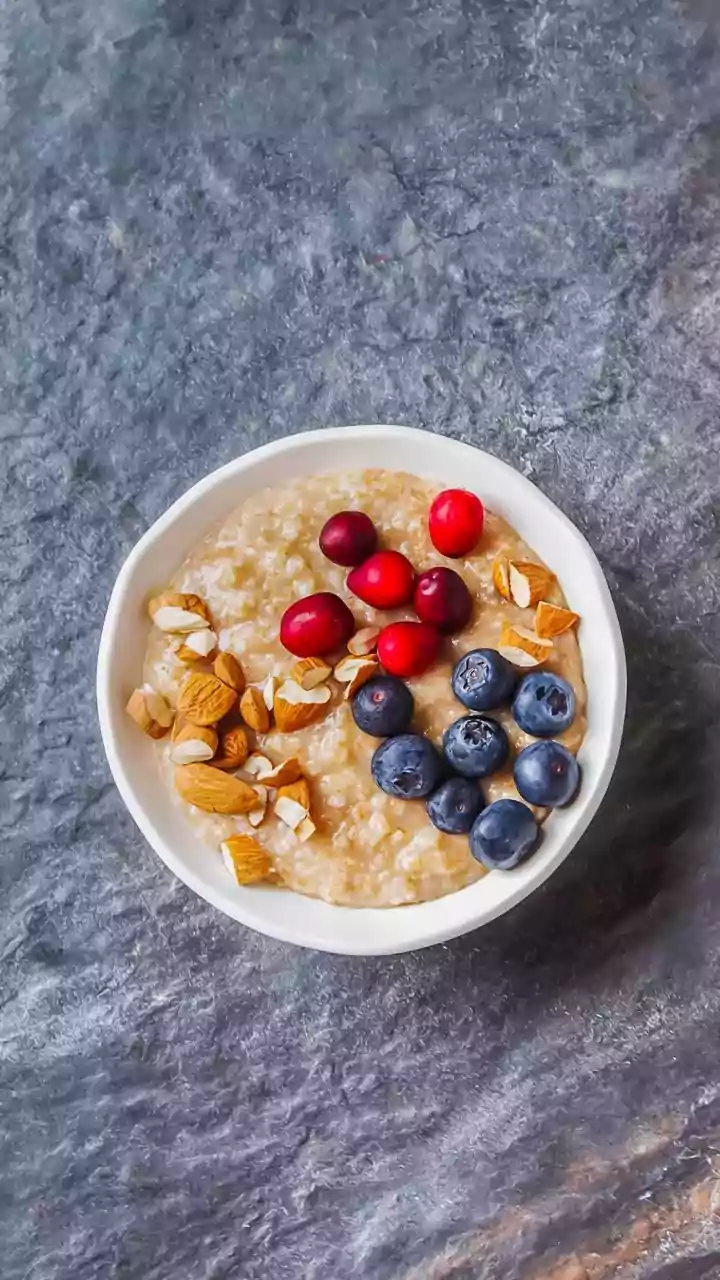
Incorporating more cinnamon is simple. Start by sprinkling it on foods where you might otherwise add sugar. A dash in your coffee or tea can provide a satisfying, warming flavour. Add it generously to your morning oatmeal, porridge, or plain yoghurt. It pairs wonderfully with fruits like apples and pears, enhancing their natural sweetness when stewed or baked. Don't limit it to sweet dishes; a pinch of cinnamon can also add surprising depth to savoury recipes like curries, stews, and roasted vegetable rubs, balancing the flavours and reducing the need for sweet sauces.
Simple Swaps with Vanilla
Pure vanilla extract or vanilla bean paste is a must-have for a lower-sugar kitchen. Add a few drops to smoothies, protein shakes, or plain yoghurt to give them a creamy, dessert-like flavour. When baking, you can often reduce the sugar called for in a recipe by a quarter or more if you add an extra teaspoon of vanilla. This works especially well in cookies, muffins, and cakes. You can even create your own vanilla-infused sugar by placing a split vanilla bean in a jar of sugar; while this contains sugar, the intense flavour means you'll likely use less of it over time.