





Start at the Source: Smarter Shopping
Your efforts can begin before you even get home. Many foods pick up microplastics from their packaging. A simple strategy is to stick to the perimeter of the grocery store, where whole, unpackaged foods are more common. Choose loose fruits and vegetables
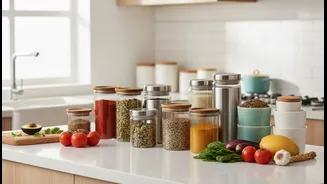
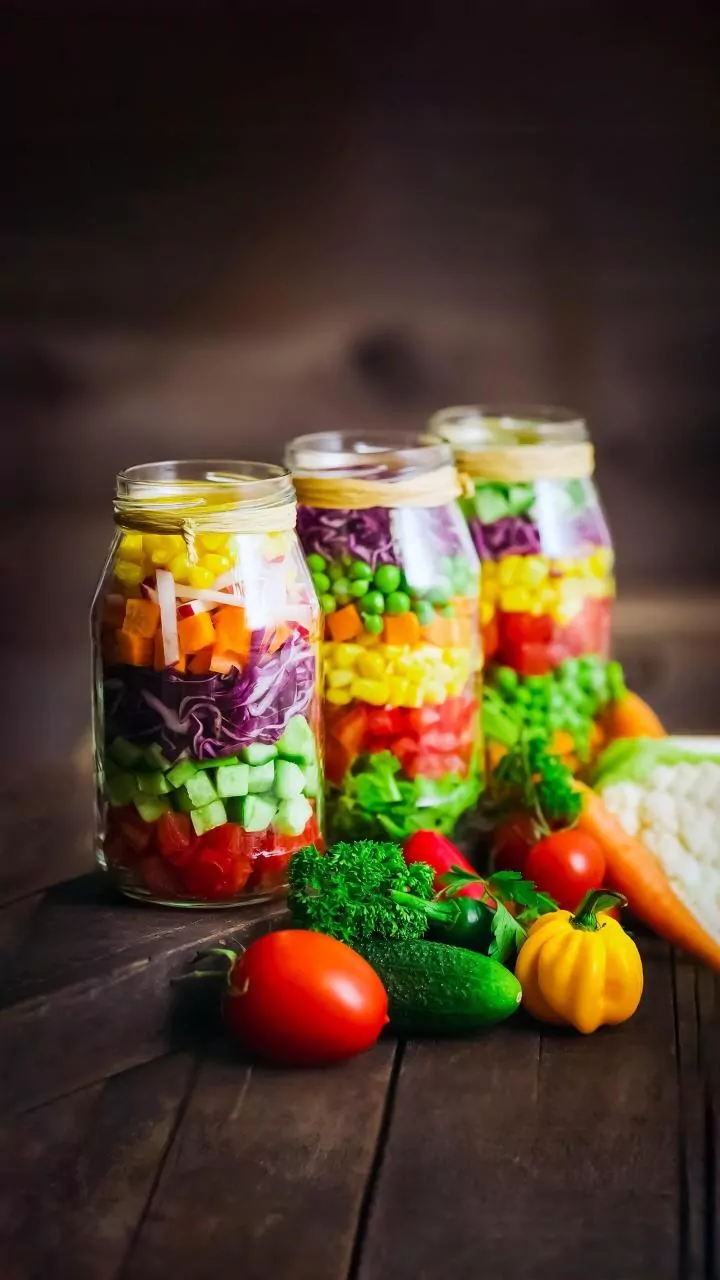
whenever possible and bring your own reusable produce bags. When buying packaged goods, opt for items in glass jars, metal cans, or cardboard boxes over plastic containers. Also, consider your beverages. Studies have shown that switching from bottled water to filtered tap water can dramatically decrease your annual microplastic intake. If you do buy drinks on the go, choose those in glass or aluminum.
Rethink Your Food Storage
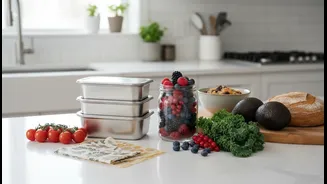
Once your groceries are home, how you store them matters. It’s time to phase out plastic containers and single-use wraps, especially for fatty or acidic foods. Heat and time can cause chemicals and particles to leach from plastic into your food. Invest in a set of glass or stainless steel containers for storing leftovers. They are durable, non-reactive, and can often go from the fridge to the microwave or oven (check manufacturer instructions). For covering bowls or wrapping sandwiches, consider alternatives like beeswax wraps, which can be washed and reused, or simply use a plate as a lid.
Adjust Your Cooking Habits
The kitchen can be a hotspot for generating microplastics, but a few key swaps can make a big difference. One of the biggest culprits is non-stick cookware. When scratched or overheated, these pans can release thousands, or even millions, of plastic particles into your food. Consider switching to stainless steel, cast iron, or ceramic cookware for a safer, long-lasting alternative. Similarly, avoid using plastic utensils like spatulas and stirring spoons, especially in hot pans. Opt for wood, bamboo, or stainless steel instead. Another critical rule: never microwave food in plastic containers. Even if a container is labeled "microwave-safe," this only means it won't melt; it can still release microplastics when heated. Always transfer food to a glass or ceramic dish before reheating.
The Problem with Preparation
Even simple food prep can be a source of contamination. Studies have shown that chopping vegetables on a plastic cutting board can shed a significant amount of microplastics onto your food. Over time, as knife marks accumulate, the board releases more particles. A wooden or bamboo cutting board is a much safer choice. Highly processed foods also tend to have higher microplastic counts than their unprocessed counterparts due to the extensive plastic-heavy equipment used in their production. For example, breaded shrimp has been found to contain significantly more microplastics than fresh fish. Choosing whole, fresh ingredients and preparing them at home on non-plastic surfaces is a powerful way to take control.
Cleaning Up Your Act
Your cleaning routine can also play a role. Sponges and dishcloths made from synthetic fibers can shed microfibers as they wear down. Consider natural fiber cloths and brushes. When it's time to wash your plastic items, like reusable containers you're still phasing out, it's better to wash them by hand with warm water rather than using the high heat of a dishwasher, which can accelerate degradation. These small changes to your cleaning process contribute to an overall lower-plastic environment in your kitchen.