
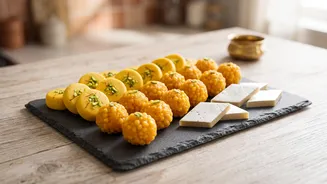
The Sacred Sweet of Braj
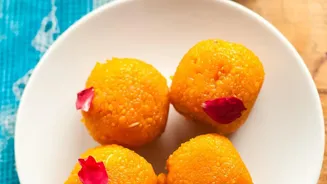
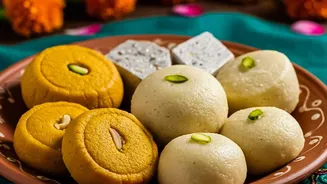
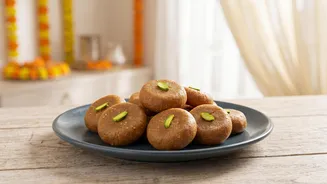
Mathura Peda is more than just a dessert; it's a piece of culture and a symbol of devotion. Hailing from Mathura in Uttar Pradesh, the sacred city where Lord Krishna is believed to have been born, this sweet has an inseparable connection to the deity.
The Braj region has a long history of dairy-centric cuisine, making it the perfect environment for milk-based sweets to flourish. Legend holds that peda was one of Krishna's favorite sweets, and for centuries, it has been a primary offering, or 'prasad', at temples in Mathura and Vrindavan. Its rich, caramelized milk flavour and unique texture have made it a beloved part of Janmashtami celebrations, symbolizing love and reverence.
Key Ingredients for Authentic Flavour
The beauty of traditional Mathura Peda lies in its simple yet high-quality ingredients. For the most authentic taste and texture, you will need: Full-Fat Milk: This is the heart of the recipe, used to create fresh khoya (milk solids). Using full-fat or full-cream milk yields the richest, most flavorful result. Ghee (Clarified Butter): A small amount of ghee is crucial for roasting the khoya, preventing it from sticking and adding a characteristic nutty aroma. Sugar (Preferably Tagar/Boora): For a truly traditional peda, 'tagar' or 'boora' is recommended over regular powdered sugar. Tagar is a type of caramelized sugar that gives the peda a distinct, slightly grainy texture that halwais (sweet makers) swear by. Cardamom Powder: This provides a gentle, sweet fragrance that complements the rich milk flavour.
Step 1: Preparing the Khoya
The traditional method is a labour of love that begins with making khoya from scratch. While store-bought khoya is an option, homemade will give you unparalleled freshness. Pour full-fat milk into a heavy-bottomed pan or kadai and bring it to a boil. Reduce the heat and let it simmer, stirring frequently to prevent it from burning. As the milk thickens, continuously scrape the sides of the pan to incorporate the solidified milk (malai) back into the mixture. This process is slow and can take over an hour, but your patience will be rewarded. The milk will eventually reduce to a thick, solid mass known as khoya or mawa.
Step 2: Roasting the Khoya to Perfection
This is the most critical step, which gives Mathura Peda its signature dark colour and granular texture. In the same heavy-bottomed pan on low heat, add the prepared khoya and a little ghee. Begin to roast the khoya, breaking it up and stirring continuously. This process requires constant attention to prevent burning. Keep roasting for 15-25 minutes. The khoya will gradually change from white to a light golden and finally to a rich, dark brown colour, releasing a beautiful caramelized aroma. If the mixture becomes too dry, you can add a tablespoon or two of milk to maintain a moist, crumbly consistency.
Step 3: Sweetening and Shaping
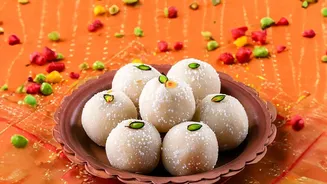
Once the khoya is perfectly roasted, remove it from the heat and allow it to cool down until it is just warm to the touch. This is crucial; adding sugar to hot khoya will cause it to melt and become watery, making it impossible to shape. Once cooled, transfer the mixture to a bowl. Add the cardamom powder and the tagar or powdered sugar. Mix everything together with your hands, kneading it into a smooth, pliable dough. Take small, golf-ball-sized portions of the mixture and roll them between your palms to form smooth balls. Gently flatten them to create the classic peda shape. For the final touch, you can roll the shaped pedas in a little extra tagar or powdered sugar.
Tips for Success
Making the perfect Mathura Peda can be tricky, but these tips will help you master it: Use a Heavy-Bottomed Pan: This is essential to prevent the milk and khoya from scorching during the long cooking process. Stir Constantly: When reducing the milk and especially when roasting the khoya, continuous stirring is key to achieving an even colour and preventing burning. Control the Heat: Always roast the khoya on a low flame. It's a slow process that cannot be rushed. Cool Before Adding Sugar: Never add sugar to hot khoya. Wait until it's lukewarm to ensure the pedas bind correctly. * Don't Over-Dry: While roasting, ensure the khoya doesn't become completely dry. It needs to retain some moisture to be shaped. If it gets too dry, a splash of milk can help.