






Inhale Steam to Loosen Mucus
One of the most effective and time-honoured remedies for congestion is steam. The warm, moist air helps to soothe irritated nasal passages and thin out stubborn mucus, making it easier to breathe. You can get the benefits of steam in several ways. Taking
a hot shower and letting the bathroom fill with steam is an easy option. Alternatively, you can carefully lean over a bowl of hot water, drape a towel over your head to trap the steam, and inhale deeply for 10-15 minutes. Be cautious to avoid getting too close to the hot water to prevent burns.
Try a Saline Nasal Rinse
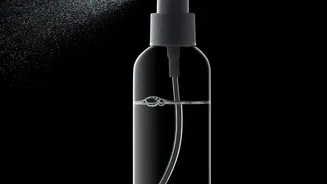
A saline rinse, or nasal irrigation, is a simple way to flush out mucus, allergens, and irritants from your nasal passages. This can provide quick relief from that stuffy feeling. You can use a neti pot, a bulb syringe, or a squeeze bottle designed for this purpose. The key is to use the right kind of water. Never use water straight from the tap, as it can contain harmful microorganisms. Always use distilled, sterile, or previously boiled and cooled water to prepare your saline solution. You can buy pre-packaged saline packets or make your own by mixing non-iodized salt and a pinch of baking soda into the safe water.
Stay Well-Hydrated
Drinking plenty of fluids is crucial when you're congested. Staying hydrated helps to thin the mucus in your nasal passages, allowing it to drain more easily and relieving pressure. While plain water is excellent, warm beverages can offer extra comfort. Broths and herbal teas not only contribute to hydration but also provide soothing steam that can help open your airways. Try to avoid sugary drinks, coffee, and alcohol, as these can sometimes lead to dehydration.
Use a Humidifier for Moist Air
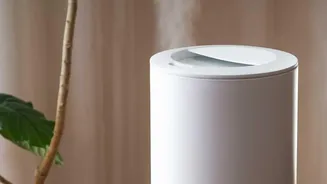
Dry air, especially common during winter months, can irritate your nasal passages and worsen congestion. A humidifier adds moisture back into the air, which can help soothe your sinuses, loosen mucus, and make breathing more comfortable, particularly at night. Experts generally recommend using a cool-mist humidifier, as it is considered safer, especially in homes with children, and can be more effective for congestion than warm-mist versions. Remember to clean your humidifier regularly according to the manufacturer's instructions to prevent the growth of mold and bacteria.
Elevate Your Head While Sleeping
Lying flat can often make congestion feel worse, as mucus can pool in your sinuses and block your nasal passages. To combat this, try propping your head up with an extra pillow or two at night. Elevating your head helps promote proper sinus drainage, which can prevent that clogged-up feeling in the morning and lead to a more restful night's sleep. This simple adjustment uses gravity to your advantage, helping to clear your airways while you rest.
Apply a Warm Compress
The pressure and discomfort that often accompany a stuffy nose can be draining. A warm compress is a simple, soothing technique to help alleviate some of that sinus pressure. Simply soak a washcloth in warm water, wring it out, and place it over your forehead and nose. The gentle warmth can help reduce inflammation in the nasal passages and provide a comforting sensation that eases the pain and throbbing associated with sinus congestion. You can repeat this as often as needed for relief.