




Choose Your Gear Wisely
The single most common mistake trekkers make is wearing the wrong clothes. [3, 6] Denim and cotton are your worst enemies in the rain; they absorb moisture, get heavy, and take a long time to dry, which can lower your body temperature. [3] Instead, opt
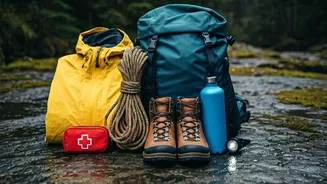
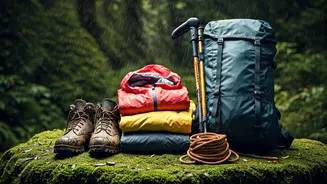
for lightweight, quick-drying synthetic fabrics for both your t-shirts and trekking pants. Layering is key to comfort. [6] Your most critical investment is your rain protection. You have two main options: a rain jacket and pants combo, or a poncho. [4] A jacket offers more comfort and mobility, but a good quality one is an investment. A poncho is easier to throw on and can cover you and your backpack, making it a great option for occasional trekkers. [4] Whichever you choose, ensure it's truly waterproof and not just water-resistant. [18]
The Right Footwear and Foot Care
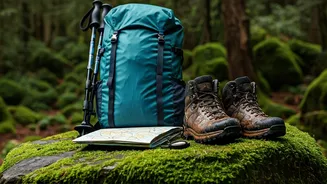
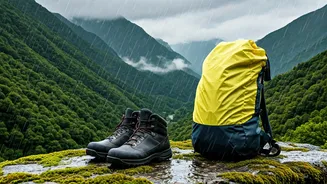
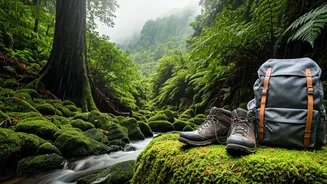
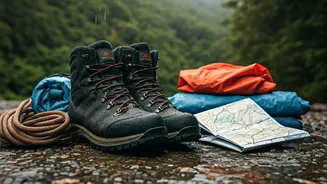
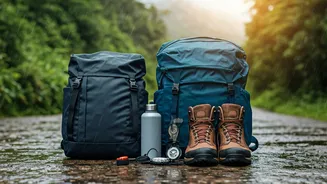
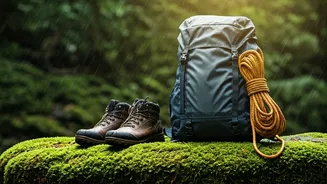
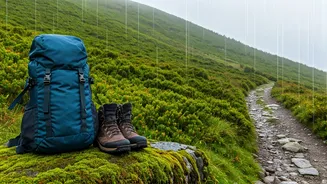
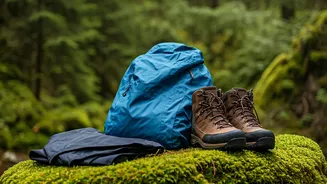
Your regular sports shoes, no matter how comfortable, are not built for wet, slippery, and muddy trails. [6, 15] Investing in proper waterproof trekking shoes with high-traction soles and good ankle support is non-negotiable. [3, 6, 12] This provides the grip needed to navigate slippery rocks and muddy slopes safely. [6, 17] However, even waterproof shoes can get wet on a long trek. The real secret is managing moisture. [13] Always carry multiple pairs of quick-drying socks, preferably a polyester blend, and avoid cotton at all costs. [13] It's also wise to pack a pair of light floaters or sandals for campsite comfort and river crossings, allowing your feet to breathe after a long day in wet shoes. [4, 13]
Protect Your Belongings
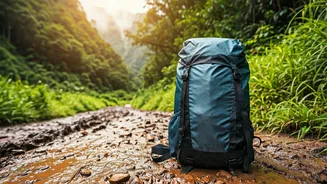
Keeping your essentials dry is crucial. Your backpack contains your warm layers, electronics, and food, all of which are useless if soaked. [5] Most modern trekking backpacks come with a built-in rain cover, but you should always check. [4] If yours doesn't have one, a separate rain cover is an essential purchase. [5] For an extra layer of protection, line the inside of your backpack with a large plastic bag or use several smaller dry sacks to compartmentalise your gear. [4, 5] This ensures that even if some water gets through the outer cover, your clothes and electronics remain completely dry. [4] Small ziplock bags are perfect for protecting your phone, power bank, and other gadgets. [5, 14]
On-Trail Safety and Navigation
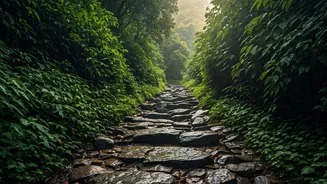
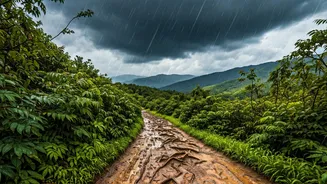
Monsoon trails demand constant awareness. Paths become slippery, visibility can drop suddenly due to fog or heavy rain, and small streams can swell quickly. [8, 9] A trekking pole (or two) is highly recommended; it provides an extra point of contact with the ground, improving balance and stability on tricky terrain. [3, 12] It also allows you to test the depth and stability of muddy patches or water crossings before you commit. [3, 16] Always inform a reliable contact about your route and expected return time. [8, 9] Before you leave, check local weather forecasts and consult with local guides or trekking groups about trail conditions, as some routes may be prone to landslides or are officially closed. [7, 12, 16]
Health, Hydration, and Critters
Just because it's cool and wet doesn't mean you can skimp on hydration. You're still exerting energy and losing fluids, so drink water regularly. [6] Carrying electrolyte sachets (ORS) can help you rehydrate effectively on longer treks. [6, 15] A basic first-aid kit with antiseptic, bandages, and pain relief spray is a must. [14] The monsoon also brings out leeches, especially on forested trails in the Western Ghats. [5] While mostly harmless, they can be a nuisance. Leech-proof socks can offer protection, and carrying a small amount of salt or a sanitiser can help remove them if they latch on. [5, 16] Always check your shoes and legs after walking through damp, leafy sections.