


A New Era of Cosmic Competition
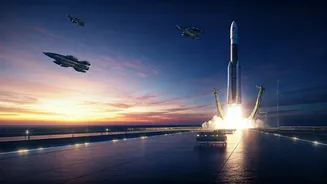
The 21st century is witnessing a renewed and intensified race for space, driven by a mix of national pride, scientific ambition, and strategic interests. Unlike the Cold War rivalry between the United States and the Soviet Union, today's race involves
a broader array of participants. Major players like NASA (USA), CNSA (China), and ISRO (India) are leading the charge, with the European Space Agency (ESA), Roscosmos (Russia), and private companies also playing significant roles. This competition is not just about planting flags; it's about establishing a long-term presence, unlocking scientific mysteries, and potentially accessing valuable resources that could reshape economies and power dynamics back on Earth. The Moon has re-emerged as a critical stepping stone, a testing ground for technologies and a gateway to deeper space ambitions.
The Moon: A Gateway to the Stars
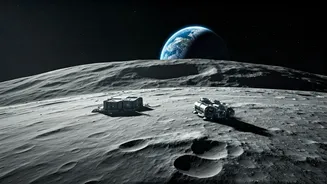
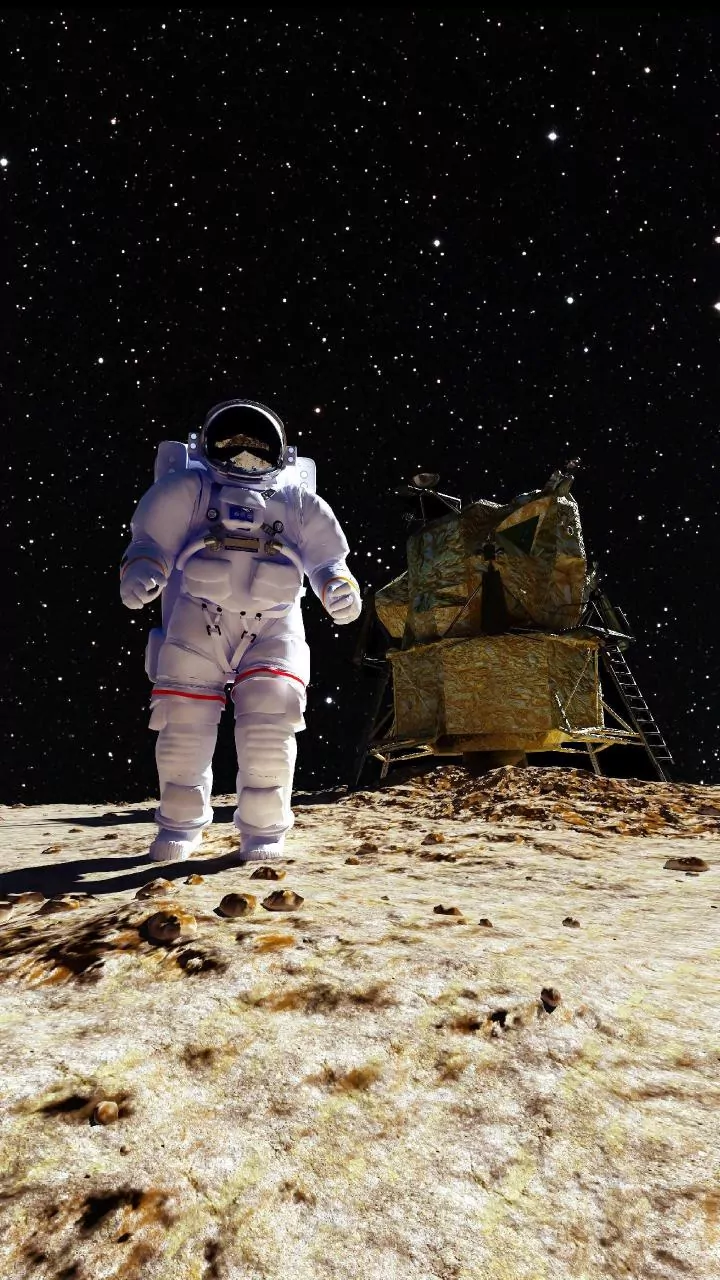
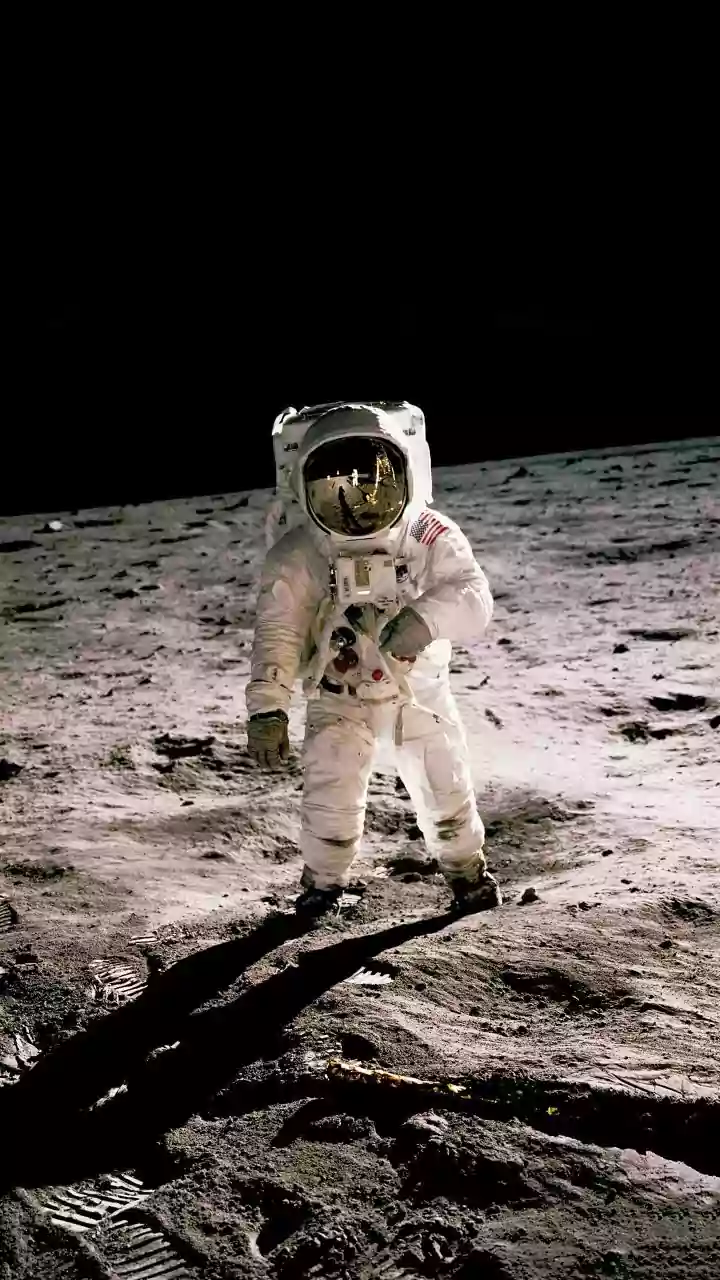
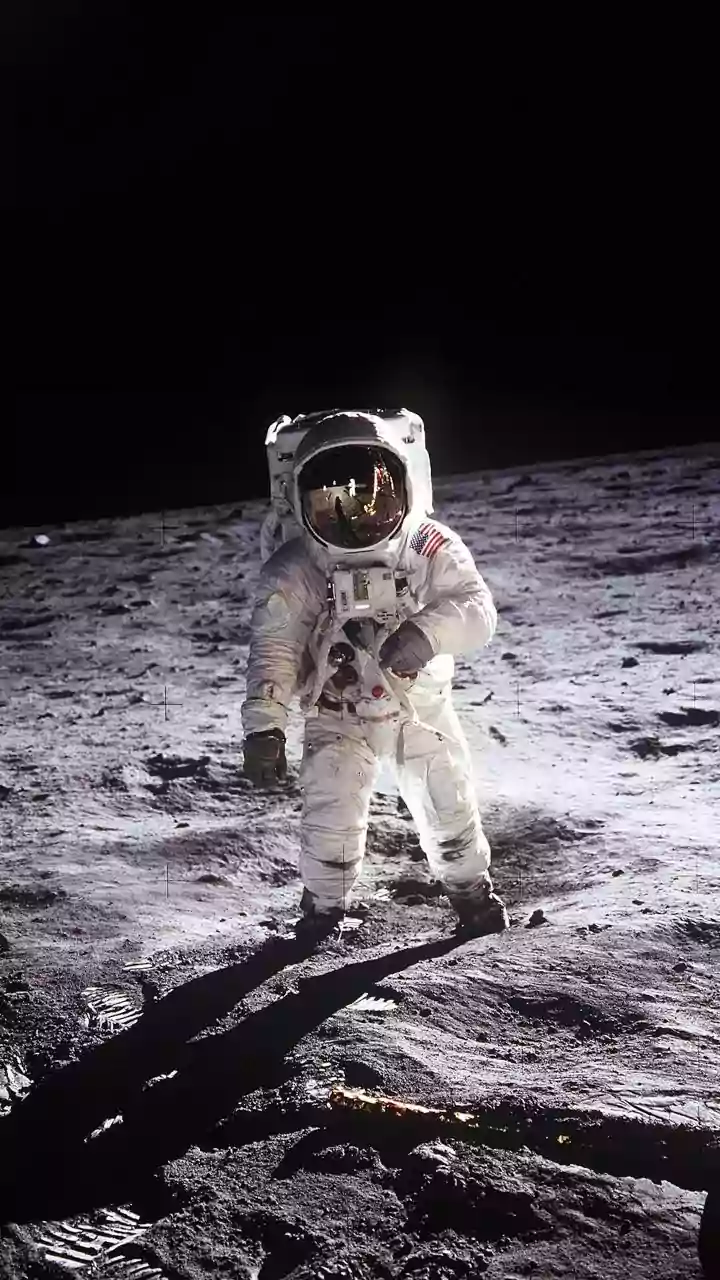
The Moon is the first major destination in this new race. NASA's Artemis program aims to establish a sustainable human presence on the lunar surface. After the Artemis I uncrewed test flight in 2022 and the crewed Artemis II lunar flyby in April 2026, NASA is targeting a crewed landing in 2028 with Artemis IV. [9, 14, 34] This initiative is seen as a direct response to China's rapidly advancing lunar ambitions. China, in partnership with Russia and other nations, is developing the International Lunar Research Station (ILRS), a planned lunar base at the south pole. [5, 15, 19] Key preparatory missions like Chang'e-7 are scheduled for late 2026 to survey the region, with Chang'e-8 following in 2028 to test technologies for using local resources. [5, 7, 33] The goal is to have a basic station built by 2035. [7] This sets up two major competing blocs for lunar dominance: the US-led Artemis Accords and the China-led ILRS. [19]
India's Ascent as a Space Power
India, through the Indian Space Research Organisation (ISRO), has firmly established itself as a critical player. Following the historic success of Chandrayaan-3, which made India the first nation to land near the lunar south pole, ISRO has an ambitious roadmap. [11] The Gaganyaan programme, India's first human spaceflight mission, is a top priority. [20] After a series of test flights, the first crewed mission is expected around 2027, which would make India the fourth country to achieve independent human spaceflight. [8, 11] Beyond that, India plans to establish its own space station by 2035 and aims for a crewed lunar landing by 2040. [11] With a reputation for cost-effective and innovative missions, ISRO is not just participating in the race but is shaping its trajectory, often focusing on unique scientific goals and demonstrating remarkable technological prowess.
Mars and Beyond: The Next Frontier
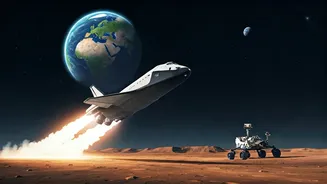
While the Moon is the immediate focus, Mars remains the ultimate prize. China is aiming to become the first nation to return samples from Mars with its Tianwen-3 mission, scheduled to launch around 2028 and return by 2031. [24, 30] This ambitious mission would be a major scientific and technological coup. NASA's long-term 'Moon to Mars' plan sees the Artemis program as crucial for developing the experience and technology needed for eventual human missions to the Red Planet. [9] The European Space Agency (ESA) and Japan's JAXA are also pushing the boundaries. ESA's Hera mission will arrive at the asteroid Didymos in November 2026 to study the effects of the DART impact, a key test for planetary defense. [25, 28] In the same month, JAXA's Martian Moons eXploration (MMX) mission is scheduled to launch, aiming to collect a sample from Mars's moon Phobos. [25, 34]