

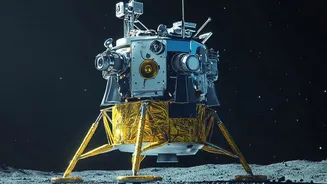

Understanding the Artemis Program
The invitation is part of NASA's broader Artemis program, an ambitious international effort to return humans to the Moon, this time for good. Unlike the Apollo missions of the 20th century, which were short-term visits, Artemis aims to establish a sustainable,
long-term human presence on and around the Moon. India signed the Artemis Accords—a set of principles for peaceful and responsible space exploration—in June 2023, becoming the 27th signatory and laying the groundwork for deeper collaboration. This new initiative to build a lunar outpost is a major component of that vision, and NASA is actively seeking contributions from its international partners.
What is the 'Moon Base'?
The “Moon Base Programme” refers to the Artemis Base Camp, a planned permanent human outpost near the lunar south pole. This region is of high scientific interest due to the potential presence of water ice in permanently shadowed craters. The Base Camp concept includes several key elements: a foundational surface habitat for up to four astronauts, a lunar terrain vehicle (LTV) for transport, and a pressurized 'camper van' for longer expeditions across the lunar surface. The goal is to create a hub for science and technology demonstration that will eventually support missions to Mars. This surface base will be a crucial piece of infrastructure for a sustained human presence on the Moon.
What ISRO Brings to the Table
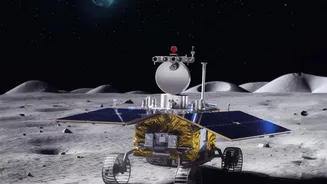
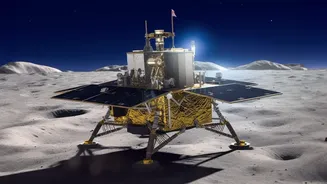
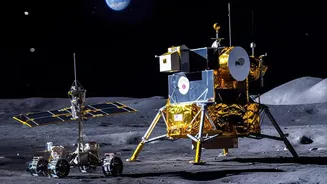
NASA's invitation is a recognition of ISRO's rapidly advancing capabilities and its reputation for cost-effective innovation. Following the historic Chandrayaan-3 landing near the lunar south pole, India became the first and only nation to achieve this feat, demonstrating advanced landing and operational technologies. ISRO's expertise in developing rovers like Pragyan, landers like Vikram, and its strength in remote sensing and instrumentation are highly valuable. Furthermore, ISRO's frugal engineering approach, which famously delivered a Moon mission for less than the budget of many Hollywood films, is a significant asset for a long-term, budget-conscious program like Artemis.
The Strategic Gains for India
Joining this ambitious project offers immense benefits for India. It provides access to cutting-edge technologies in deep-space exploration and human spaceflight, which will directly support ISRO’s own goals, including the Gaganyaan human spaceflight program and future lunar missions like Chandrayaan-4. Collaboration would also give Indian scientists and private industry unprecedented opportunities, integrating them into the emerging global cislunar economy. Geopolitically, it solidifies India’s position as a leading space power and a key partner of the United States, balancing against the separate Sino-Russian lunar plans. This partnership is seen as a crucial step in cementing a rule-based approach to space exploration.
Challenges and What's Next
While the invitation is a significant milestone, the path forward requires careful navigation. The next steps will involve detailed discussions between NASA and ISRO to define the specific contributions India could make. This could range from providing robotic systems and scientific instruments to collaborating on surface habitat modules or communication systems. India will also need to align its domestic space ambitions, such as its own goal of establishing a 'Bharatiya Antariksh Station' by 2035, with the collaborative framework of the Artemis program. The discussions, which were advanced during the recent U.S.-India Civil Space Joint Working Group meeting, will continue as the two agencies hash out the technical, financial, and logistical details of this historic collaboration.