


Understanding the Renewed Push
India's nutrition strategy is evolving to tackle a complex problem: the coexistence of undernutrition and a rise in childhood obesity. This has led to a multi-pronged approach. Major government programs like Mission POSHAN 2.0 are being enhanced with
technology, such as the 'Poshan Tracker' app, for better monitoring and delivery of supplementary nutrition to children and mothers. This scheme aims to improve the nutritional status of children under six, pregnant women, and lactating mothers by providing fortified foods and promoting dietary diversity. The focus is shifting from just providing calories to ensuring comprehensive nutritional security, addressing deficiencies in vital micronutrients.
The Crackdown on Junk Food
A significant part of the new focus is on controlling the consumption of foods high in fat, sugar, and salt (HFSS). In August 2026, the Food Safety and Standards Authority of India (FSSAI) proposed specific limits to define what constitutes an HFSS food, for both solids and liquids. This move builds on existing 2021 regulations that restrict the sale and marketing of such foods in and around school premises. The goal is to create healthier food environments for children, as schools are where they consume a substantial portion of their meals. The proposed guidelines are a clear signal to manufacturers and schools to reformulate products and rethink menus.
Beyond Calories: The Fight Against 'Hidden Hunger'
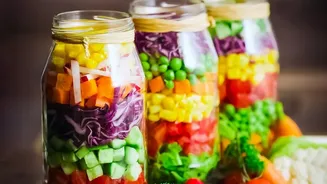
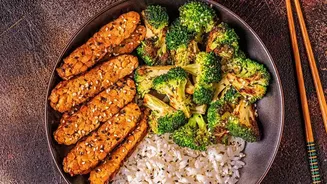
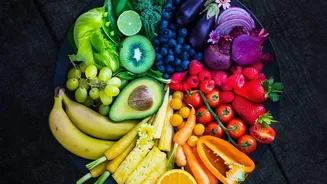
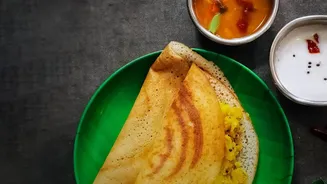
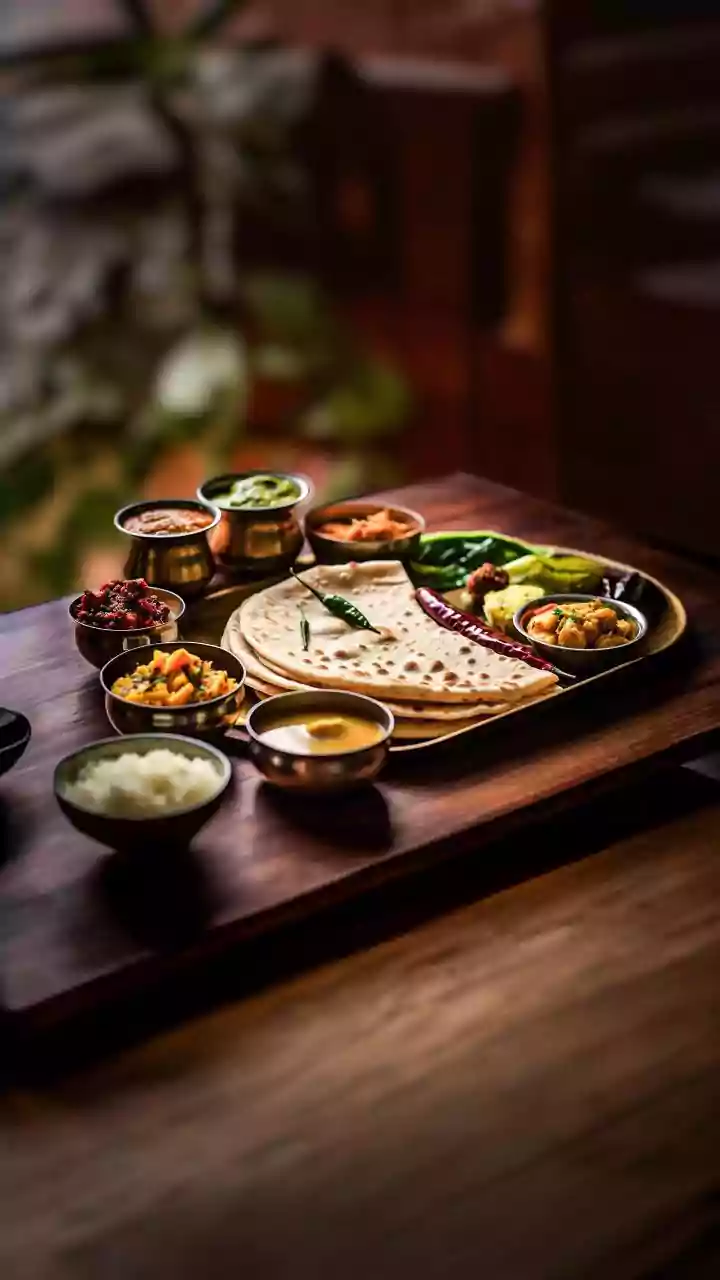
The conversation is now moving beyond just ensuring children have enough to eat; it’s about what they are eating. A major concern is 'hidden hunger', or micronutrient deficiencies. Iron deficiency anaemia remains the most common nutritional issue among Indian children. To combat this, dietary guidelines emphasize including a variety of food groups daily. A balanced plate should consist of cereals and millets for energy, protein from dals and paneer, dairy for calcium, a rainbow of fruits and vegetables, and healthy fats like ghee. Traditional Indian foods like ragi (finger millet) are being highlighted for their high iron and calcium content.
Practical Changes for Your Family Plate
Adopting these nutritional principles doesn't require a complete kitchen overhaul. The key is to focus on diversity and whole foods. Parents are encouraged to combine cereals with pulses, like in a classic dal-rice meal, to create a complete protein source. Including local and seasonal fruits and vegetables liberally is another cornerstone. For fussy eaters, experts suggest involving them in simple cooking tasks and offering new foods patiently without pressure. It's also wise to read labels on packaged foods, as many so-called 'health drinks' and snacks can be high in hidden sugars and salt, offering little nutritional value.
Building Healthy Habits in Schools and at Home
The new focus extends into education and lifestyle habits. A recent ICMR-UNICEF report recommends introducing skill-based nutrition education in schools for all grades and mandating at least 60 minutes of daily physical activity. At home, this translates to encouraging active play and managing screen time, which are linked to rising obesity rates. Parents can model healthy eating by eating together as a family and keeping junk food out of the house. The goal is to make nutritious eating a normal, positive part of family life rather than a source of conflict.