




The Problem with All-or-Nothing Rules
For years, the pre-festive narrative has been dominated by 'damage control'—strict diets and intense workout plans to 'earn' holiday treats. This all-or-nothing mindset often backfires. Psychologically, severe restriction can lead to increased cravings
and a feeling of deprivation. When faced with a celebratory spread, this deprivation can trigger a rebound effect, leading to overeating and a subsequent cycle of guilt. Experts note that food is deeply intertwined with emotion and culture, especially during festivals. Associating these meaningful meals with guilt and restriction can diminish the joy and connection they are meant to foster. The reality is, complete avoidance of favourite foods is often unsustainable and can lead to a negative relationship with eating long after the festivities are over.
Enter Portion Awareness: A Mindful Shift
Instead of a list of forbidden foods, the focus is shifting to portion awareness. This is not about militant measuring or calorie counting, but a more mindful and intuitive approach to eating. It involves listening to your body's natural hunger and fullness cues. The goal is to savour and enjoy festive foods in moderation, rather than categorising them as 'good' or 'bad'. Mindful eating encourages you to appreciate your meals by engaging all your senses—noticing the flavours, textures, and aromas. This practice helps increase satisfaction from smaller amounts of food and allows your brain the time it needs—about 20 minutes—to recognize that you are full, preventing accidental overeating.
Practical Tips for a Balanced Plate
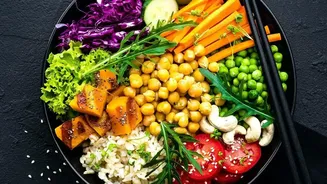
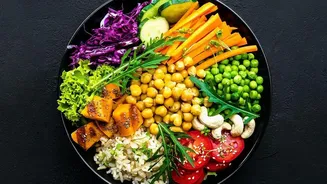
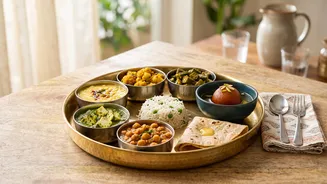
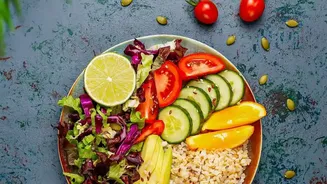
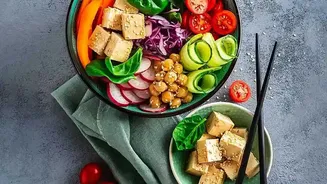
Applying portion awareness at a bustling party is easier than it sounds. One of the most effective strategies is to use a smaller plate, such as a salad or side plate. This provides a simple visual trick that naturally helps manage serving sizes. Before loading your plate, take a moment to survey all the available options and decide which dishes are truly special to you. Prioritise those you love and skip the ones you feel indifferent about. A balanced approach is to fill half your plate with vegetables or salad, a quarter with a lean protein, and the final quarter with grains or richer, more indulgent items. Also, remember to stay hydrated, as thirst is often mistaken for hunger.
Savouring the Experience, Not Just the Food
Festive eating is a social act, a way to connect with loved ones and partake in tradition. Mindful indulgence allows you to be fully present in these moments. Instead of eating distractedly while standing or chatting, try to sit down and focus on your meal. Eat slowly, put your fork down between bites, and truly taste the food. This not only enhances enjoyment but also strengthens your body's ability to signal when it's satisfied, not stuffed. Shifting the focus from restriction to enjoyment helps preserve the cultural and emotional significance of festive meals, making them a source of joy rather than stress. The aim is to feel good, both during and after the meal.
Navigating Social Settings and Getting Back on Track
Social pressure at gatherings is real, whether it's a relative encouraging a second helping or the general atmosphere of indulgence. Having a plan can help. Eating a small, balanced snack before you arrive can prevent you from feeling ravenous and making less mindful choices. It's also perfectly acceptable to politely decline extra servings. If you do overindulge, the key is to move on without guilt. One celebratory meal will not derail your health in the long run. Avoid the temptation to skip the next day's meals. Instead, simply return to your usual routine with balanced, home-cooked food and plenty of water to help your body reset.