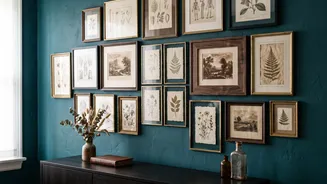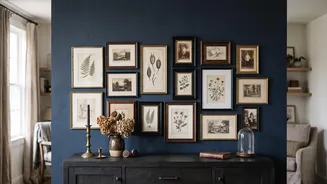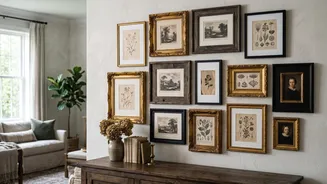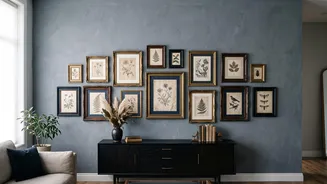





The Soul of a Vintage Gallery Wall
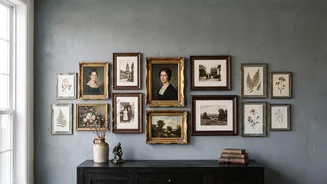
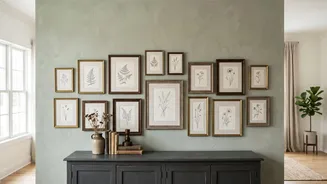
More than just a collection of pictures, a vintage gallery wall is a form of storytelling. Its charm lies in the mix of history, texture, and personality. Unlike a uniform set of new prints, a vintage collection embraces pieces with a past—faded botanical
illustrations, sepia-toned photos, moody oil paintings, and frames with a time-worn patina. The goal is to create a display that feels deeply personal and looks as though it has been lovingly assembled over many years. It is an opportunity to turn a blank space into the most soulful corner of your home, drawing the eye and starting conversations. This approach is not about perfection; it’s about character and creating a mood that is unique to you.
Planning Your Curated Collection
Before the first nail is hammered, a bit of planning goes a long way. First, choose your wall. The space above a sofa, along a hallway, or up a staircase are all excellent candidates. Consider the wall's size; a common rule is to have the gallery fill about two-thirds of the available space. Next, think about your theme or colour palette. This doesn't have to be rigid. A cohesive look can be achieved through a shared element, like warm wood tones, a recurring splash of olive green, or a subject matter like landscapes or portraits. This unifying thread is what will make a varied collection feel intentional rather than chaotic. Thinking about the overall mood you want to evoke—be it refined and academic or eclectic and playful—will guide your choices.
The Thrill of the Hunt
Sourcing your pieces is arguably the most enjoyable part of the process. Charity shops, flea markets, and antique stores are treasure troves for unique art and frames. Look past a dated print to see the potential in an ornate frame, or find beauty in a simple canvas that can be painted over. Online marketplaces and digital archives offer a world of affordable options, from public domain art you can print yourself to curated vintage-style prints. Don't limit yourself to just framed art. Small mirrors, decorative plates, antique keys, or even framed textiles can add wonderful depth and dimension, breaking up the flat plane of prints and photos.
The Art of the Arrangement
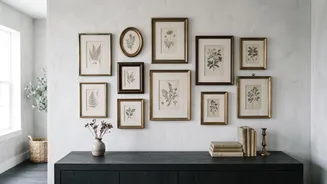
Once you have your collection, resist the urge to start hanging immediately. The key to a successful layout is to test it first. Lay all your pieces on the floor and play with the arrangement. A common and effective technique is to start with your largest piece, placing it slightly off-center to act as an anchor, and then build the rest of the collection around it. Mix horizontal and vertical orientations to create a dynamic rhythm. Aim for a consistent spacing of about 2 to 3 inches between frames—this gives each piece breathing room while maintaining a sense of cohesion. For a truly foolproof method, trace each frame onto paper, cut out the templates, and tape them to the wall to perfect your layout before making any holes.
Hanging and Final Touches
With your layout finalized, it's time to hang. Use a level for each piece to avoid a crooked display. A good rule of thumb is to have the center of the entire arrangement at eye level, which is typically about 57 inches from the floor. Once everything is up, step back and admire your work. You might even consider adding a picture light to illuminate your collection and enhance its role as a sophisticated focal point. The beauty of a gallery wall is that it can evolve; you can easily swap pieces out or add new treasures as you find them, allowing your wall to grow with you.