


Beyond the Monolithic Curry
For decades, dining out in India, and indeed for Indian food globally, often meant a predictable menu: butter chicken, paneer tikka masala, and a handful of other North Indian staples. [19] The rich, diverse culinary traditions of countless regions were
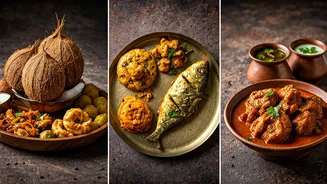
either confined to home kitchens or niche, state-specific canteens. [2, 19] The term "Indian food" became a monolithic category, simplifying thousands of distinct culinary heritages into a few creamy, tomato-based gravies. [19, 23] But this is changing. A new wave of chefs and restaurateurs is pushing back against this generalization, championing a "regional food renaissance." [8] They are digging deep into the cuisines of specific communities and micro-regions, celebrating everything from the coastal delicacies of Goa to the rustic, hearty fare of Maharashtra. [4, 10]
The Rise of the Curated Plate
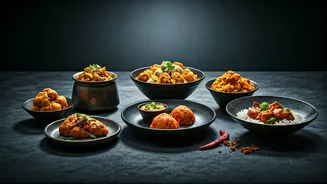
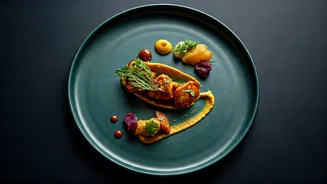
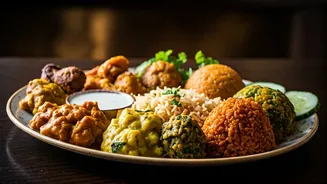
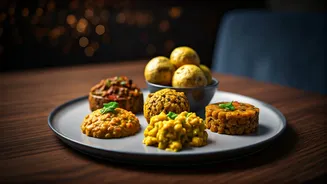
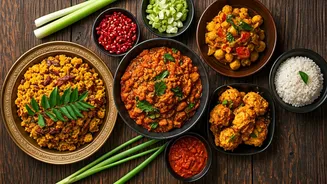
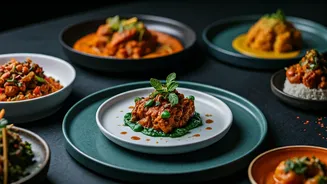
Enter the multi-regional plate. This isn't just a standard thali, which traditionally features an array of dishes from a single region. [15, 17] The thali itself, rooted in Ayurvedic principles of a balanced meal with six tastes, is a celebration of regional culture. [15, 17] The new trend, however, takes this concept a step further. Chefs are now curating tasting menus and thoughtfully composed plates that act as a culinary tour of the entire country. [11] One plate might feature a dish from Kashmir, another from Kerala, and a third from Bengal, each telling a distinct story. [14] Restaurants like Indian Accent have perfected this with tasting menus that reimagine familiar street food and regional classics into sophisticated, bite-sized courses. [13, 20] This approach allows diners to experience the breadth of India's culinary landscape in a single sitting, transforming the meal into an educational and sensory journey. [13]
A Story in Every Bite
What makes this trend a 'flex' is the element of storytelling and expertise. Chefs are no longer just cooks; they are culinary narrators. [11] They travel to remote villages, unearth forgotten recipes, and champion heirloom ingredients that have been overlooked by mainstream commercial farming. For instance, a chef might build a tasting menu around different varieties of indigenous rice, explaining the unique properties of each. [11] This chef-led experience, where diners place their trust in the expert's vision, is becoming a top draw. [11] This shift is also visible in restaurants abroad, where establishments in New York and London are earning Michelin stars by moving beyond stereotypes and presenting authentic, unapologetic regional food. [3, 21] The menu becomes a story of provenance, tradition, and the chef's personal journey. [13]
Why Now? A Mix of Pride and Curiosity
Several factors are driving this trend. A new generation of Indian diners is more curious, well-travelled, and eager to connect with their own heritage. They are moving away from seeking validation from international cuisines and are instead looking inward, exploring the incredible diversity within India itself. [8] This is coupled with a rising sense of regional pride. Chefs and home cooks are taking to social media to showcase their unique family recipes and local culinary traditions, creating a groundswell of interest. Restaurants are responding to this demand for authenticity and exploration. This isn't just about food; it's a statement of cultural confidence. It asserts that a dish from a small community in Assam is as worthy of a fine-dining spotlight as any globally recognized dish. [9]