

The Rise of the Great Indian Road Trip
Across the nation, a palpable shift is occurring in how people choose to travel. The classic Indian vacation, often dictated by railway schedules and flight availability, is giving way to a more spontaneous and flexible alternative: the road trip. This
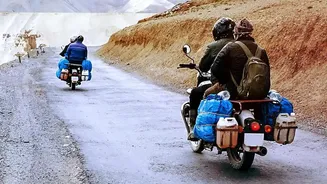
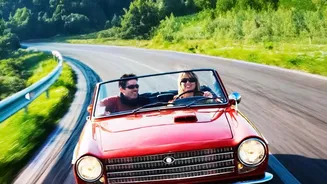
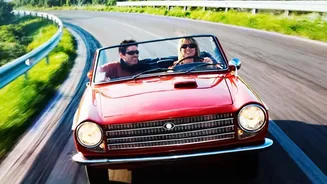
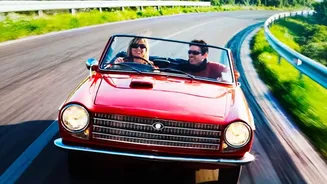
isn't just a fleeting trend; it’s a cultural phenomenon. Data from travel companies shows a significant spike in intercity road travel, not just between major metros but increasingly to smaller towns and leisure destinations. Routes connecting big cities like Mumbai-Pune and Delhi-Agra remain popular, but the fastest growth is seen on regional corridors like Ahmedabad-Vadodara and Delhi-Dehradun. This boom is driven by a diverse group of travellers—from families seeking weekend getaways and solo explorers chasing adventure, to groups of friends looking to recreate their own 'Dil Chahta Hai' moments. The desire for control, safety, and the freedom to explore offbeat locations has made driving the preferred mode of escape for many.
Paved with Progress: A World-Class Highway Network
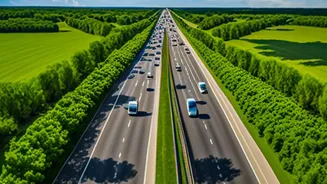
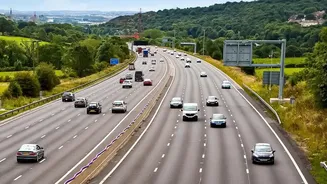
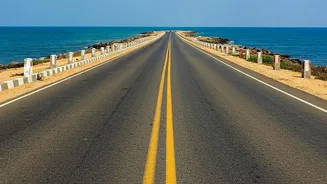
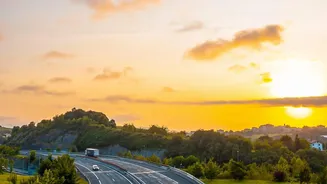
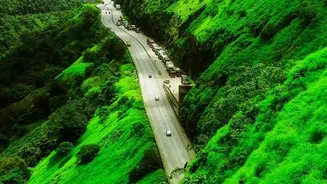
The backbone of this new travel culture is India's rapidly expanding and modernising highway network. Ambitious infrastructure projects like the Bharatmala Pariyojana are transforming the nation's connectivity, aiming to link over 500 districts. The results are tangible. The flagship Delhi-Mumbai Expressway, for instance, is set to slash travel time between the two megacities from 24 hours to just 12. Similarly, the new Delhi-Dehradun Expressway has cut the journey from six hours to under three, making weekend trips to the hills an easy reality. These aren't just roads; they are eight-lane, access-controlled corridors designed for speeds up to 120 km/h, complete with modern amenities. This massive upgrade in road quality makes driving less of an ordeal and more of a pleasure, encouraging millions to consider their cars as a primary option for leisure travel.
The Freedom to Explore
Beyond the smooth tarmac, the allure of the road trip lies in the sense of freedom it offers. The post-pandemic world has heightened the desire for travel that is personal, safe, and away from crowds. Driving provides a bubble of security and the autonomy to set one's own itinerary. Travellers are increasingly seeking out quieter, lesser-known destinations, and a car is the perfect vehicle for such discoveries. This quest for authentic experiences has also given rise to a burgeoning 'caravan culture' in states like Kerala and Maharashtra, where travellers explore in mobile homes, blending adventure with comfort. It’s a move away from rigid, pre-planned holidays towards slow travel, where the journey itself is as important as the destination. This mindset is about soaking in the local culture, supporting local businesses, and making a personal connection with the landscape.
An Economy on the Move
The road trip revolution has created a vibrant ecosystem of economic activity along the highways. The increased traffic has been a boon for dhabas, cafes, and restaurants lining the routes. Furthermore, it has spurred the growth of homestays and small-scale accommodations in emerging tourist spots that were previously difficult to access. This trend is particularly vital for Tier-2 and Tier-3 cities, which are now becoming destinations in their own right. Data shows that corridors like Indore-Ujjain and Ranchi-Jamshedpur are seeing a surge in travel, indicating that economic benefits are spreading beyond the major urban centres. This decentralisation of tourism helps local economies flourish, creating jobs and opportunities in areas that were once overlooked. The development of road infrastructure serves as a direct catalyst for this growth, boosting local businesses and fostering regional development.