




Why Fridge Organization Matters
Properly organizing your refrigerator isn't just about aesthetics; it's about food safety and saving money. Different parts of your fridge have different temperatures. Storing food in the right zone keeps it out of the temperature “danger zone” (40–140°F
or 4–60°C), where bacteria can multiply rapidly. The main compartment of your fridge should be at or below 40°F (4°C). By knowing which areas are coldest and which are warmest, you can extend the life of your groceries, prevent spoilage, and reduce the risk of foodborne illness. This simple practice ensures everything from your raw meat to your ready-to-eat leftovers is stored under optimal conditions.
The Lower Shelves: The Coldest Zone
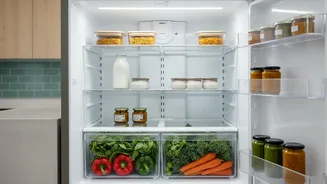
The bottom shelf is typically the coldest part of your refrigerator. This makes it the ideal spot for storing your most perishable items that need consistently cold temperatures. This includes raw meat, poultry, and seafood. A critical food safety practice is to store these items on the lowest shelf to prevent any drips from their packaging from contaminating other foods below. It’s a good idea to place packages of raw meat on a plate or in a sealed container as an extra precaution. Dairy products like milk, yogurt, and cottage cheese also benefit from being stored on a lower shelf, preferably towards the back where the temperature is coldest and most stable.
The Upper Shelves: Consistent and Ready-to-Eat
The upper shelves of a refrigerator generally have the most consistent temperatures, though they are slightly warmer than the bottom. This area is perfect for foods that don't require cooking or are already cooked. Think leftovers, deli meats, yogurts, and other ready-to-eat snacks and drinks. Placing these items on the top shelves keeps them visible, reminding you to eat them before they spoil. It also follows a key food safety principle used in professional kitchens: storing ready-to-eat foods above raw ingredients to prevent cross-contamination from drips.
The Door: The Warmest Spot
Because it's constantly being opened and exposed to room-temperature air, the refrigerator door is the warmest part of the appliance. This area is subject to the most temperature fluctuation. For this reason, you should avoid storing highly perishable items like milk and eggs in the door, even if it has dedicated compartments for them. Instead, reserve the door shelves for items that are more resistant to spoiling due to their high content of salt, vinegar, or preservatives. This makes the door the perfect home for condiments, jams, jellies, pickles, and bottled water or sodas.
The Crisper Drawers: A Tale of Two Humidities
Those drawers at the bottom of your fridge are for more than just corralling loose produce. They are designed to maintain specific humidity levels to keep fruits and vegetables fresh. Many fridges have two drawers with adjustable settings. A simple rule to remember is “rot, low; wilt, high”. Fruits that emit ethylene gas and tend to rot (like apples, pears, and avocados) should go in the low-humidity drawer, which allows the gas to escape. Vegetables that are prone to wilting (like leafy greens, broccoli, and cucumbers) belong in the high-humidity drawer, which has a closed vent to trap moisture and keep them crisp. Separating your produce this way prevents the ethylene gas from one group from prematurely ripening and spoiling the other.